
Thomas J. Hudner Jr.
U.S. Navy aviator and captain awarded the Medal of Honor for attempting to rescue his wingman Ensign Jesse L. Brown during the Battle of Chosin Reservoir in the Korean War.
Overview
Thomas Jerome Hudner, Jr. (August 31, 1924 – November 13, 2017) was an officer and naval aviator in the United States Navy. He rose to the rank of captain and is best known for a single act of conspicuous gallantry during the Korean War that earned him the Medal of Honor.
Image gallery
9 Images

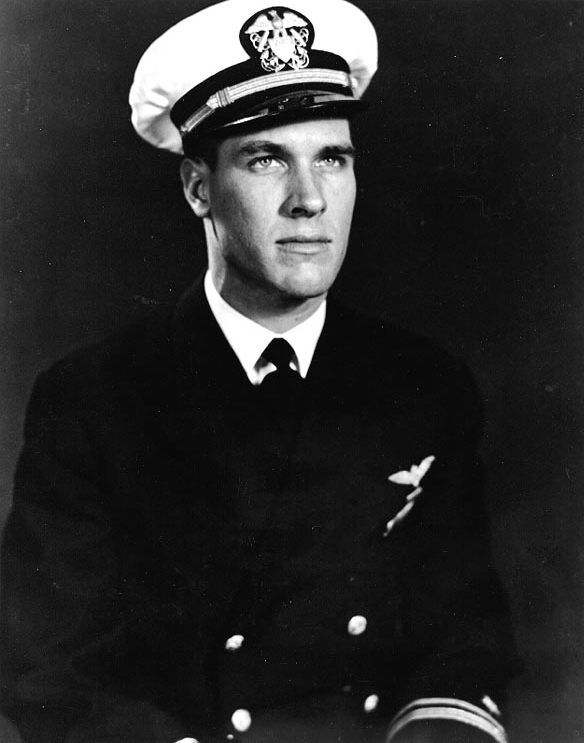


Service and the Chosin action
While flying missions in December 1950 during the fighting around the Battle of Chosin Reservoir in the Korean War, Hudner’s wingman, Ensign Jesse L. Brown, crash-landed behind enemy lines. Brown was the U.S. Navy's first African American naval aviator. Hudner deliberately crash-landed his own aircraft in an attempt to render aid and save Brown despite severe weather and hostile conditions.
Hudner's efforts included trying to free Brown from the wreckage and signaling for help while exposed to freezing cold and enemy fire. Brown succumbed to his injuries, but Hudner's decision to risk his life to attempt a rescue was widely recognized as an extraordinary act of courage.
Recognition and career
For his actions Hudner received the Medal of Honor, the United States' highest military decoration for valor, awarded for risking life above and beyond the call of duty. He continued his naval career after Korea, ultimately attaining the rank of captain and serving in various billets as a pilot and officer.
Legacy and notable facts
Hudner is remembered both for his wartime bravery and for his long association with naval aviation. Key points about him include:
- Birth and death: 1924–2017.
- Branch: United States Navy, naval aviator.
- Notable action: crash-landed to try to rescue Ensign Jesse L. Brown at Chosin Reservoir.
- Award: Medal of Honor for conspicuous gallantry.
Hudner’s story is often cited in discussions of personal sacrifice, leadership, and the bonds between aviators. His attempt to save Brown remains an enduring example of risk taken in the service of a comrade and is taught and commemorated in military histories of the Korean War.
Questions and answers
Q: Who was Thomas J. Hudner Jr.?
A: Thomas J. Hudner Jr. was a retired officer of the United States Navy and a former naval aviator.
Q: What was Thomas J. Hudner Jr.'s rank in the United States Navy?
A: Thomas J. Hudner Jr. rose to the rank of captain in the United States Navy.
Q: What action did Thomas J. Hudner Jr. take that led to him receiving the Medal of Honor?
A: Thomas J. Hudner Jr. received the Medal of Honor for his actions trying to save the life of his wingman, Ensign Jesse L. Brown, during the Battle of Chosin Reservoir in the Korean War.
Q: When was Thomas J. Hudner Jr. born and when did he pass away?
A: Thomas J. Hudner Jr. was born on August 31, 1924, and passed away on November 13, 2017.
Q: What was Thomas J. Hudner Jr.'s role in the Korean War?
A: Thomas J. Hudner Jr. was a naval aviator during the Korean War.
Q: Who was Ensign Jesse L. Brown and what happened to him during the Battle of Chosin Reservoir?
A: Ensign Jesse L. Brown was Thomas J. Hudner Jr.'s wingman during the Battle of Chosin Reservoir. He was forced to crash-land his plane and was trapped in the wreckage with no hope of rescue due to his injuries.
Q: What was Thomas J. Hudner Jr.'s motivation for trying to save Ensign Jesse L. Brown?
A: Thomas J. Hudner Jr. had a close relationship with Ensign Jesse L. Brown and was motivated by a sense of duty and loyalty to him as his wingman and friend.
Author
AlegsaOnline.com Thomas J. Hudner Jr. Leandro Alegsa
URL: https://en.alegsaonline.com/art/146722