
Super Mario Bros. 3
Super Mario Bros. 3 is a landmark 2D platformer by Nintendo for the NES, noted for its creative level design, new power-ups, overworld map and lasting influence on the Mario series and platform games.
Super Mario Bros. 3 is a side‑scrolling platform game developed and published by Nintendo for the Nintendo Entertainment System. First released in 1988 in Japan and brought to other regions around 1990, it expanded the formula of earlier entries such as Super Mario Bros. 2 and set design patterns later refined in titles like Super Mario World. The game has been reissued in compilations and digital services and is also included in the SNES collection Super Mario All‑Stars.
Image gallery
6 Images



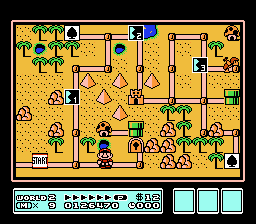

Overview and structure
Players control Mario or Luigi through a sequence of themed worlds, each composed of several stages and guarded by distinct bosses. Rather than a single continuous progression, the game uses an overworld map that lets players choose routes, enter towns and mini‑levels, and encounter special events. This map layer added a strategic element to the arcade‑style platforming and encouraged exploration and replay.
Gameplay features and notable elements
The game introduces or refines several mechanics and items that became series staples. Levels mix traditional run‑and‑jump play with vertical sections, crouch‑sliding, and unique vehicle or suit behaviors. There is an item inventory that lets players store and deploy items later, and the game features a variety of bonus challenges, Toad Houses, and mini‑games that affect resources and lives.
- Power‑ups: new items such as the Super Leaf (turning Mario into Raccoon Mario), the Frog Suit, and others that change movement and attack options.
- World variety: worlds range from grassy plains and deserts to ice, giant levels and airships—each with bespoke hazards and enemy placements.
- Bosses and characters: the game popularized several series antagonists and memorable set pieces.
Development and release
The title was produced by Nintendo's internal teams and led by designers who sought to broaden level diversity and player choice while keeping tight controls and clear challenge progression. It was a major commercial success in its era, reportedly selling millions of copies worldwide, and helped solidify Mario's role as a flagship video‑game character. For more technical or historical details, see the primary game entry.
Reception, legacy and influence
Critics praised the game's imagination, technical polish, and depth; it is frequently cited among the best games available on the NES and one of the most influential platformers. Its design ideas—distinct themed worlds, an overworld map, diverse power‑ups and compact, varied level design—have influenced many subsequent platform games and later Mario titles. The game has appeared on multiple re‑releases and ports, helping new generations experience its design.
Notable facts
Super Mario Bros. 3 expanded the notion of what console platformers could be, balancing accessible control with layered secrets and challenge. Its mixture of short, inventive stages and a meta‑level map remains a frequently studied model in game design, and the title continues to be referenced and celebrated in retrospectives and anniversary collections.
See also: related series entries | Next major installment | Anthology appearance
Questions and answers
Q: What is Super Mario Bros. 3?
A: Super Mario Bros. 3 is a 1988 platform game made by Nintendo for the Nintendo Entertainment System game console.
Q: How successful was it?
A: It was a big hit and sold 40 million copies, and is often said by critics to be the best game on the NES.
Q: When was it released?
A: It was released in 1988.
Q: What games preceded and followed Super Mario Bros. 3?
A: It precedes Super Mario Bros. 2 (1988) and was followed by Super Mario World in 1990.
Q: Is it part of any other collections or series?
A: Yes, it is one of the games in Super Mario All-Stars.
Author
AlegsaOnline.com Super Mario Bros. 3 Leandro Alegsa
URL: https://en.alegsaonline.com/art/146313