
St Hugh's College, Oxford: history, campus and academic life
A concise overview of St Hugh's College, Oxford — its founding, campus and gardens, evolution from a women's college, student community, and role within the University of Oxford.
Overview
St Hugh's College is a constituent college of the University of Oxford. Named for St Hugh of Lincoln, it stands on a roughly fourteen-and-a-half acre site to the north of Oxford's city centre. Founded in 1886 as an institution for women, the college is now fully coeducational and forms part of the collegiate teaching and residential structure of the university. For more on the wider institution, see the University pages: University of Oxford.
Image gallery
10 Images



Campus, buildings and grounds
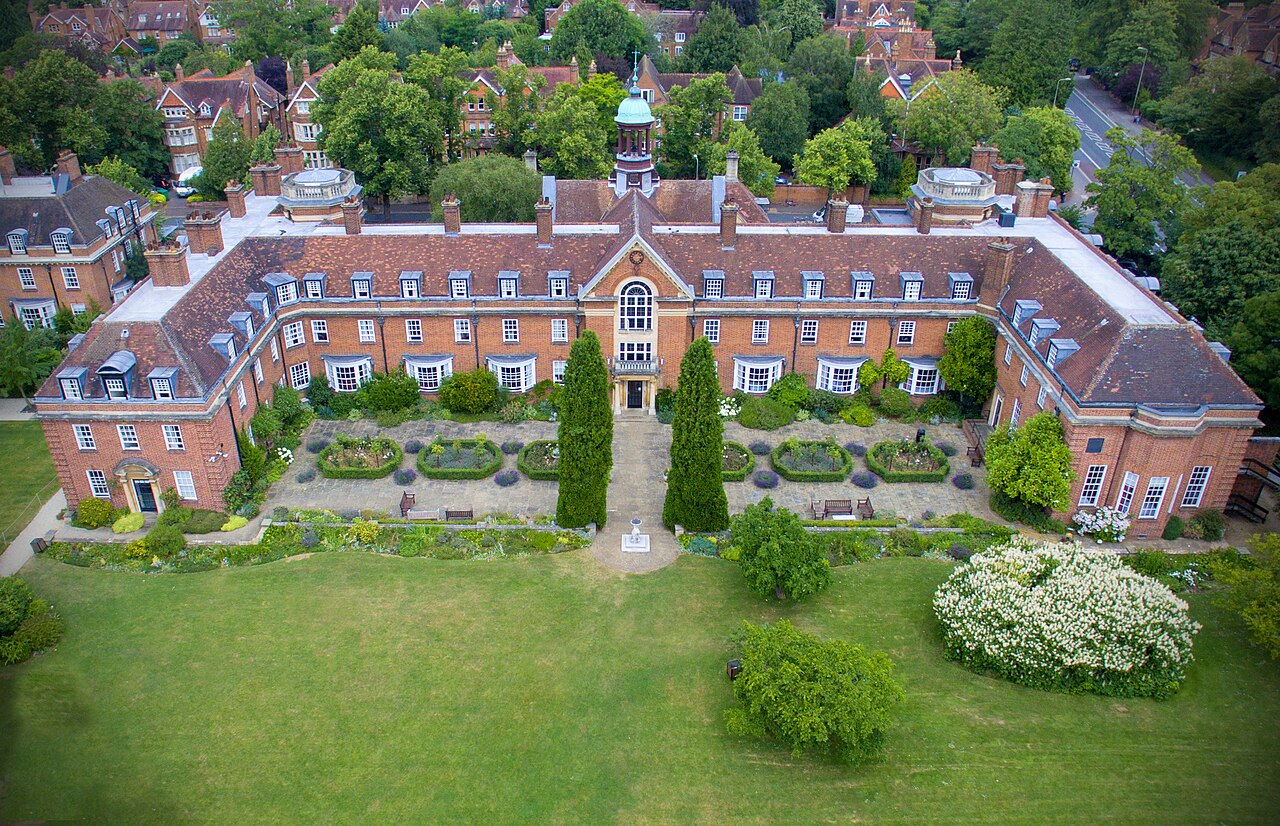
The college is noted for its extensive and carefully tended gardens, which contribute to its reputation as one of the more attractive college sites in Oxford. The campus contains a mix of accommodation, common rooms, dining facilities and study space arranged around lawns and tree-lined walks. These outdoor spaces are an important feature of college life, used for informal study, social events and college gatherings in the warmer months.
History and development
St Hugh's was established in 1886 to provide higher education to women at a time when opportunities in the universities were limited. The college grew steadily through the 20th century and modernised its facilities to meet expanding student needs. In 1986, the college admitted its first male undergraduates, marking a key transition from its original status as a women-only foundation. The institution celebrated its 125th anniversary in 2011, reflecting more than a century of academic life.
Academic life and community
The student body comprises both undergraduates and postgraduates; recent figures indicate around 418 undergraduates and 205 postgraduate students. Like other Oxford colleges, St Hugh's combines small-group tutorial teaching with university lectures and examinations. The college supports a lively academic and social community through seminars, clubs and college-run activities, and provides accommodation and pastoral support to its members.
Notable features and distinctions
- Founded as a pioneering college for women in the late 19th century.
- Recognised for attractive gardens and a pleasant residential environment.
- Transitioned to coeducation in its centenary year, 1986.
- Maintains an active mix of undergraduate and postgraduate life with a range of student services.
The college's leadership and administration continue to evolve to meet contemporary educational priorities; the principal (as noted in recent information) provides strategic direction and represents the college within the wider university. Prospective applicants and visitors should consult official college sources for current details on admissions, events and facilities.
Questions and answers
Q: What is St Hugh's College?
A: St Hugh's College is one of the colleges of the University of Oxford, named after St Hugh, Bishop of Lincoln.
Q: Where is it located?
A: It is located on a fourteen and a half acre site to the north of the city centre.
Q: When was it founded?
A: It was founded in 1886 as a college for women.
Q: When did male students first start attending?
A: Its first male students were admitted in its centenary year in 1986.
Q: What makes it attractive?
A: It has a reputation as one of the more attractive colleges because of its extensive, pleasant gardens.
Q: When did it celebrate its 125th anniversary?
A: The college celebrated its 125th anniversary in 2011.
Q: How many students attend St Hugh's College? A: The college has 418 undergraduates and 205 postgraduate students.
Author
AlegsaOnline.com St Hugh's College, Oxford: history, campus and academic life Leandro Alegsa
URL: https://en.alegsaonline.com/art/146241