
St. Bernard (dog)
A large working breed from the Swiss Alps, the St. Bernard is known for its rescue history, gentle temperament, distinctive markings and heavy build. Myths include the barrel of brandy; the truth is more complex.
Overview
The St. Bernard is a very large, heavy-boned dog originally developed by monks at mountain hospices in the Alps to help locate and assist travelers stranded by snow and cold. Bred for strength, endurance and a calm temperament, the breed became associated with alpine rescue work and with the Great St Bernard Pass in particular. For basic breed information see the breed profile here.
Image gallery
10 Images






Appearance and varieties
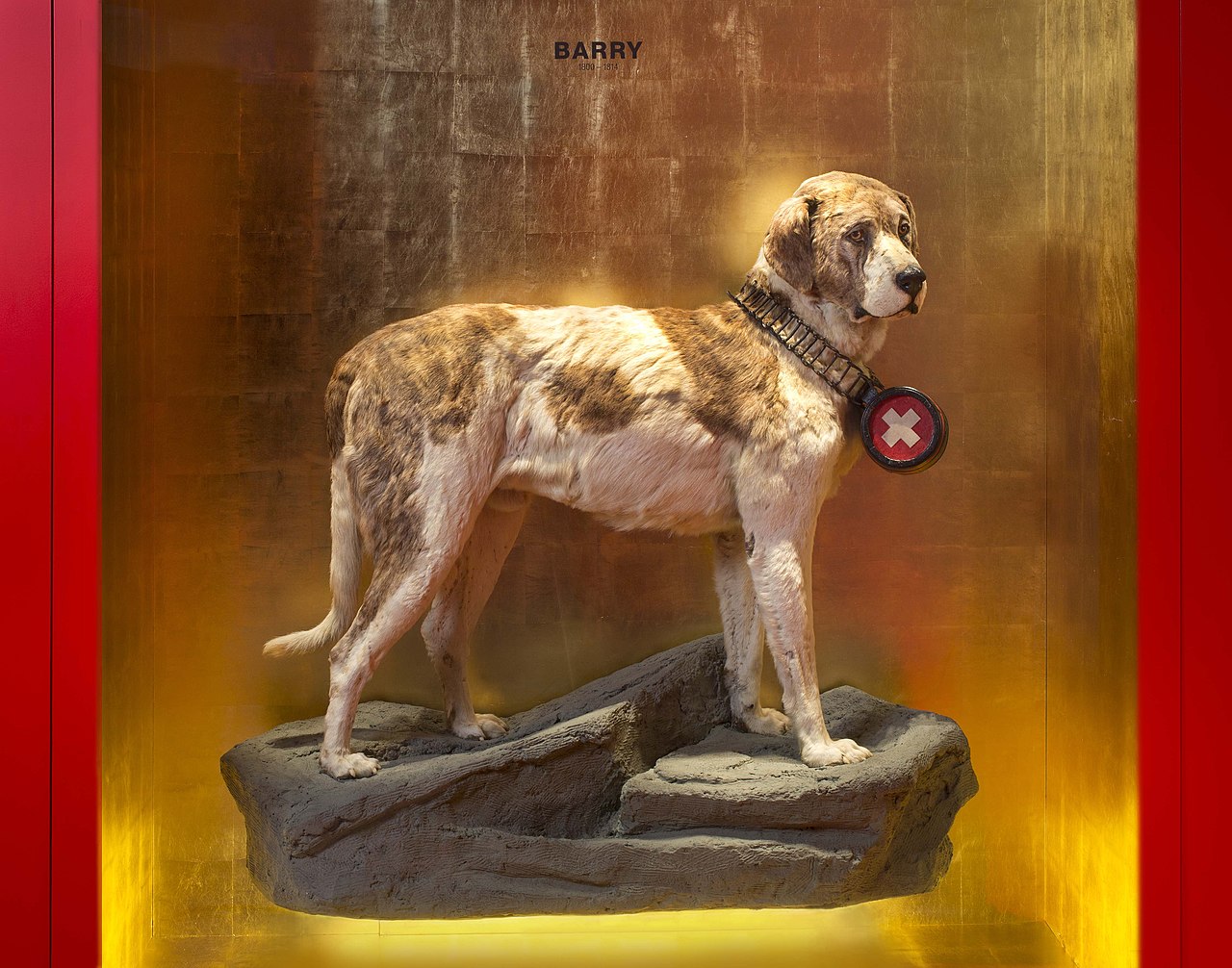
St. Bernards are notable for a broad head, deep muzzle, and a powerful neck. Their coat comes in two main varieties: a short-haired smooth coat and a long-haired dense coat. Typical coloration combines white with red, mahogany or brindle patches, and they usually have a white blaze on the face and white on the chest and legs. Adult males and females are very large compared with most breeds; weight is commonly given in broad ranges for adult males and females, and height is substantial though exact figures vary by standard.
Temperament and behavior
Known for a steady and affectionate disposition, St. Bernards are generally patient, gentle with children and tolerant of strangers when properly socialized. They tend to be calm rather than hyperactive, but their size requires early training and consistent leadership. They are not typically suited to small apartments because of their mass and need for moderate exercise. Owners should also expect considerable drooling and seasonal shedding.
History and working role
The breed's development is closely tied to monastic hospices that guarded mountain passes between Switzerland and Italy. St. Bernards were valued for their ability to work in deep snow and to locate lost travelers. Over the centuries the dogs' image has been shaped by stories and legends, including famous individual dogs preserved in lore and museums. A persistent popular myth holds that these dogs carried small barrels of brandy at the neck to revive frozen victims; this claim lacks historical evidence, though spare barrels are sometimes used today for demonstrations and photography. For more on the barrel myth and rescue lore see barrel myth and rescue history.
Care, health and lifespan
Caring for a St. Bernard involves attention to diet, joint health and appropriate exercise to prevent obesity and stress on growing bones. The breed is predisposed to certain large-breed ailments such as hip and elbow dysplasia, cardiac issues, and gastric dilatation-volvulus (bloat). Life expectancy is shorter than for many smaller breeds, commonly around eight to ten years. Regular veterinary checks, controlled exercise, and careful breeding selection can help manage these risks.
Notable facts and distinctions
- St. Bernards are often confused with other large, working mountain breeds; they are distinct from Newfoundlands and Bernese Mountain Dogs in origin and appearance.
- The image of the barrel around the neck is a cultural emblem rather than a confirmed historical practice.
- Famous named dogs and rescue stories have contributed to the breed's reputation for courage and compassion, and the breed remains a symbol of alpine rescue in popular culture.
Because of their size, temperament and health needs, St. Bernards are best suited to households that can provide space, experienced handling and attentive veterinary care. When raised and managed well they make devoted companions and remain one of the most recognizable working breeds worldwide.
Questions and answers
Q: What breed is the St. Bernard dog?
A: The St. Bernard is a very large breed of dog.
Q: What was the original purpose of breeding St. Bernard dogs?
A: The St. Bernard was originally bred as a working dog, to rescue people who were lost in the Swiss Alps.
Q: Did St. Bernard dogs really carry a small barrel of brandy around their neck?
A: There is no historical evidence that they did actually carry this brandy, although the monks at the St. Bernard Hospice keep some barrels around for photographs with tourists.
Q: How big is a full-grown male St. Bernard?
A: A full-grown male St. Bernard can weigh between 64 to 82 kg (140 to 180 lb).
Q: What is the weight range for a full-grown female St. Bernard?
A: A full-grown female St. Bernard can weigh 54 to 64 kg (120 to 14 0lb).
Q: What is the largest St. Bernard dog on record and how much did it weigh?
A: The largest St. Bernard dog ever recorded was called Benedictine and weighed 162 kg (357 lb).
Q: What is one physical characteristic of the St. Bernard dog?
A: The St. Bernard is a very big dog with a big head.
Author
AlegsaOnline.com St. Bernard (dog) Leandro Alegsa
URL: https://en.alegsaonline.com/art/146009