
Safeway Inc.: history, operations and retail formats
Overview of Safeway Inc., its development as a supermarket chain, core services, loyalty and fuel programs, historical international presence and major ownership changes.
Overview
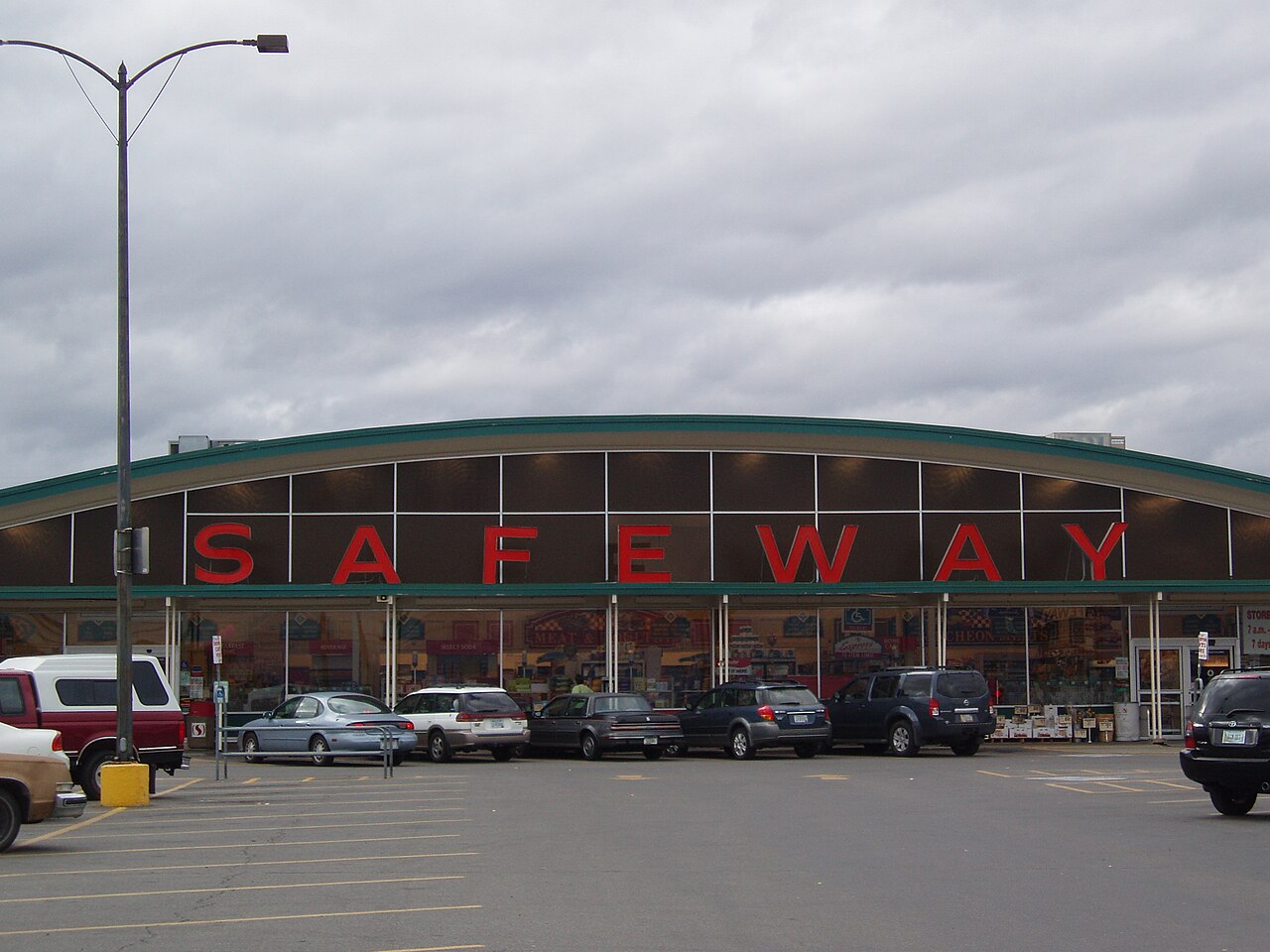
Safeway Inc. is a long-established supermarket brand that for much of the 20th and early 21st century has been one of the larger food-retail operators in North America. The chain grew from a regional operator into a national company known for full-service grocery stores offering fresh produce, meat, deli, bakery, pharmacy and general household goods. Many locations have included ancillary services such as fuel stations, in-store ATMs and loyalty programs that offer targeted discounts and fuel rewards. Safeway has appeared on public stock listings such as NYSE and is commonly described as a major supermarket operator in North America.
Image gallery
10 Images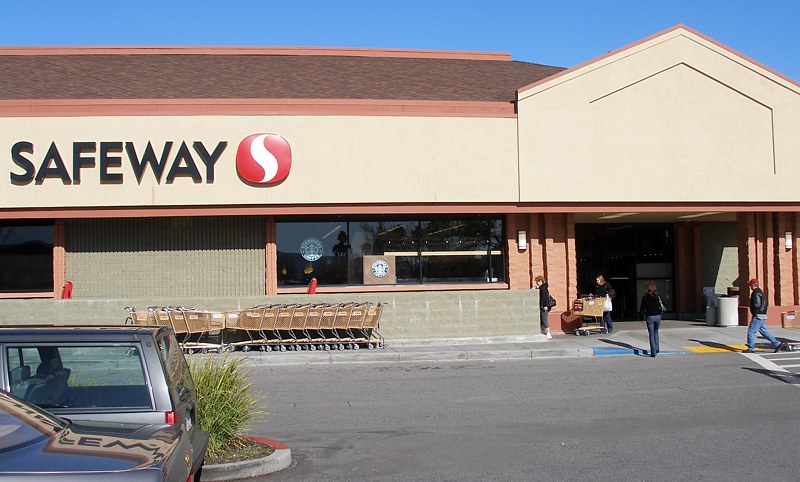




History and development
The Safeway name was selected in a naming contest in the mid-1920s, and the company expanded rapidly through organic growth and acquisitions across subsequent decades. Early leadership emphasized low prices, a broad product assortment and a one-stop shopping model that combined grocery departments with fresh-prepared foods and basic services. Over time the firm developed regional operating divisions and a mix of store formats to serve urban, suburban and smaller-town markets.
Growth, formats and business model
Safeway stores typically operate as medium-to-large supermarkets featuring multiple departments: produce, meat, deli and prepared foods, bakery, pharmacy and household goods. Store size and the exact mix of services may vary by market; some stores are smaller urban formats while others are larger supermarkets with fuel centers. The business model has combined everyday grocery retailing with loyalty incentives, weekly promotions and private-label products intended to improve margins and customer retention.
Customer services and loyalty programs
Key customer-facing features commonly include loyalty or club card programs that track purchases to deliver personalized discounts, digital coupons and weekly specials. Fuel-reward arrangements have allowed customers to redeem grocery spending for cents-off-per-gallon at participating pump locations by presenting a loyalty card or entering a phone number. Stores often host ATM machines and provide pharmacy services, floral departments and prepared-food counters.
International presence and changes
The Safeway name has appeared in markets beyond the United States. Historically the company or companies using the Safeway brand operated stores in places such as the United States, Canada, the United Kingdom, Australia, regions of Germany, Mexico, Saudi Arabia and Kuwait. Many international operations were later sold, rebranded or integrated into other retail groups, so the brand footprint has changed over time and differs by country.
Corporate change and contemporary notes
Over its history the company experienced multiple structural changes driven by mergers, acquisitions and divestitures; corporate ownership and regional footprints have been reshaped by those transactions. At various times the organization employed a substantial workforce (historically reported in the hundreds of thousands worldwide) and operated thousands of locations. As with many large retailers, local store ownership, names and services can vary; consumers seeking current store information should consult local or corporate sources for up-to-date listings.
Distinctions and legacy
- Brand recognition: The Safeway name has been familiar to generations of supermarket shoppers in multiple countries.
- Service mix: Combining groceries with pharmacy, in-store services and fuel-reward programs helped differentiate store offers.
- Adaptation: The company tested different store sizes and service combinations to respond to changing consumer habits and competitive pressures.
For concise corporate histories, industry analyses and regional store details consult business periodicals, retailer filings and local archival sources. Archive summaries and supermarket-industry references provide additional context on Safeway's evolution, strategic choices and its role in modern grocery retailing.
Questions and answers
Q: What is Safeway, Inc.?
A: Safeway, Inc. is the third-largest supermarket chain in North America.
Q: How many employees does Safeway, Inc. have worldwide?
A: Safeway, Inc. has around 198,000 employees worldwide.
Q: Does Safeway, Inc. have fuel stations in some of their stores?
A: Yes, Safeway, Inc. has fuel stations in some of their stores.
Q: How do customers receive fuel savings at Safeway, Inc. fuel stations?
A: Customers can use a phone number or club (loyalty) card to receive fuel savings at Safeway, Inc. fuel stations.
Q: Does Safeway, Inc. have ATM machines in their stores?
A: Yes, Safeway, Inc. has a Safeway ATM Network in their stores.
Q: How did Safeway get its name?
A: Safeway got its name from a contest that was held in 1925 to develop a name for the store.
Q: In how many countries does Safeway have stores?
A: Safeway has stores in the United States, Canada, United Kingdom, Australia, West Germany, Mexico, Saudi Arabia and Kuwait.
Author
AlegsaOnline.com Safeway Inc.: history, operations and retail formats Leandro Alegsa
URL: https://en.alegsaonline.com/art/145253