
Roger D. Kornberg
Roger D. Kornberg (born 1947) is an American biochemist and Nobel laureate noted for elucidating the molecular mechanisms of eukaryotic transcription and the structure of RNA polymerase II.
Overview
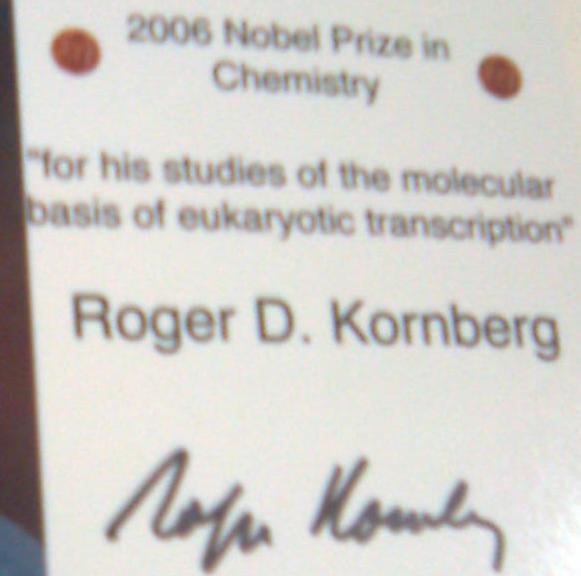
Roger David Kornberg (born April 24, 1947) is an American biochemist best known for fundamental studies of the molecular machinery that copies genetic information. He received the Nobel Prize in Chemistry in 2006 for detailed work on how organisms convert genetic information into messenger molecules. His research clarified how complex protein assemblies interact with eukaryote genomes to begin gene expression through the process of transcription.
Image gallery
5 Images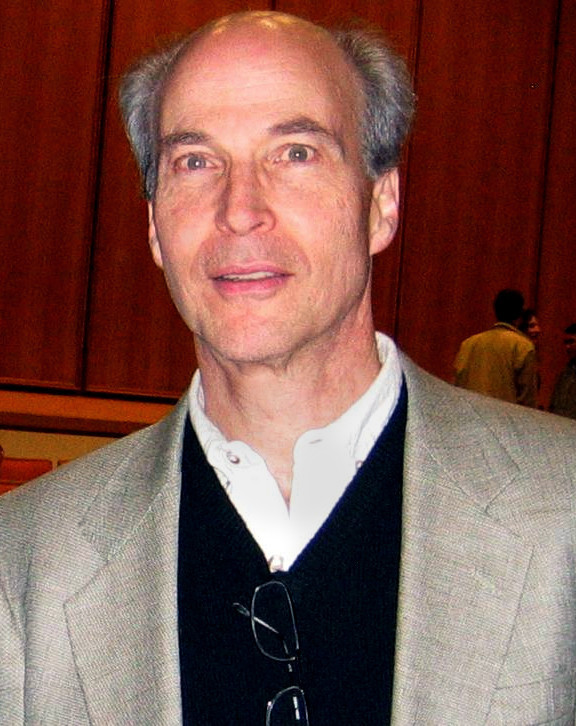



Research and main discoveries
Kornberg's laboratory made several widely cited advances. He produced high-resolution models of the eukaryotic RNA-producing enzyme, RNA polymerase II, and described how it engages with DNA and accessory factors to synthesize RNA. Those structural and biochemical insights illuminated how the enzyme negotiates obstacles on chromatin and how regulatory proteins control initiation and elongation phases. His work connects the chemical steps of copying DNA to the cellular systems that determine which genes are expressed.
Methods and approach
The work combined genetics, biochemistry and structural techniques such as X-ray crystallography and electron microscopy to observe molecular complexes. By isolating stable assemblies and solving their structures, Kornberg and colleagues showed how segments of genetic material like DNA are read to produce RNA, and how packaging into chromatin affects access. This integrative strategy linked atomic-level models to cellular function and regulation.
Career, background and legacy
Kornberg has been a long-time faculty member at Stanford, where he holds a post as professor of Structural Biology in the medical school. His laboratory influenced subsequent work on transcriptional regulation, chromatin structure and the development of structural methods for large macromolecular machines. He is also known as the son of Arthur Kornberg, a Nobel laureate in medicine; the family background has been noted for multiple contributions to molecular biology. Stanford affiliation is frequently cited in descriptions of his career (Stanford University).
Importance and notable facts
- Key contributions include structural models of RNA polymerase II and mechanistic descriptions of eukaryotic transcription initiation and elongation.
- His Nobel recognition emphasized the molecular basis of gene expression, a central theme in modern biology and medicine.
- The research has informed fields ranging from basic genetics to understanding disease-causing dysregulation of transcription.
Further context
Kornberg's findings are often cited in reviews and textbooks that explain how cells control which genes are active, and why precise regulation is essential for development and health. For readers seeking deeper technical detail or primary literature, consult specialist reviews and structural biology resources that summarize advances in polymerase structure and transcription regulation (transcription, eukaryote systems).
Questions and answers
Q: Who is Roger D. Kornberg?
A: Roger D. Kornberg is an American biochemist and Nobel prize winner.
Q: What did Roger D. Kornberg get the Nobel Prize in Chemistry for?
A: Roger D. Kornberg got the Nobel Prize in Chemistry in 2006 for studying eukaryote transcription.
Q: What is Roger D. Kornberg's profession?
A: Roger D. Kornberg is a professor of Structural Biology at Stanford University School of Medicine.
Q: Who was Arthur Kornberg?
A: Arthur Kornberg was a professor at Stanford University and also a Nobel Prize winner in Physiology or Medicine.
Q: Who is related to Roger D. Kornberg and also a Nobel Prize winner?
A: Arthur Kornberg, who was Roger D. Kornberg’s father, was also a Nobel Prize winner.
Q: What was Arthur Kornberg's field of expertise?
A: Arthur Kornberg was a professor at Stanford University and received the Nobel Prize in Physiology or Medicine in 1959.
Q: Which area did Roger D. Kornberg study to receive the Nobel Prize?
A: Roger D. Kornberg received the Nobel Prize for studying eukaryote transcription - the copying of information from DNA to RNA.
Author
AlegsaOnline.com Roger D. Kornberg Leandro Alegsa
URL: https://en.alegsaonline.com/art/145037