
Rikuzentakata: Coastal City in Iwate Prefecture and 2011 Tsunami Recovery
Rikuzentakata, a coastal city in Iwate Prefecture, Japan, devastated by the 2011 tsunami, chronicles its rebuilding, strengthened coastal defenses, restoration of fisheries and long-term community recovery efforts.
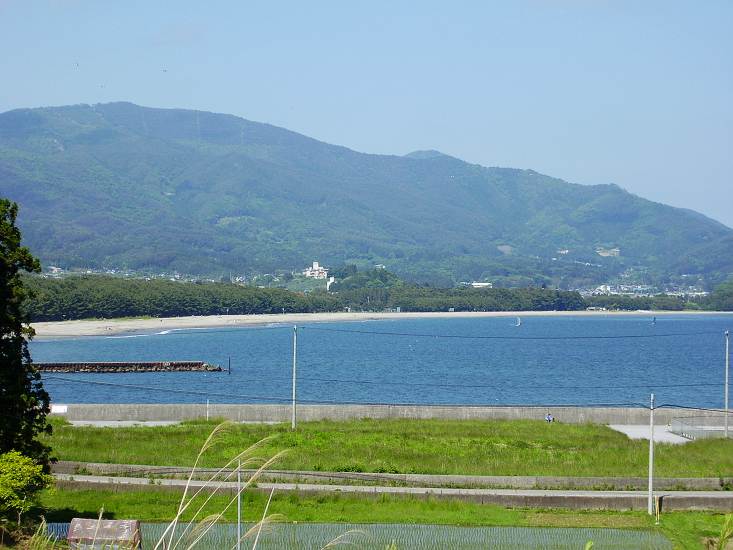
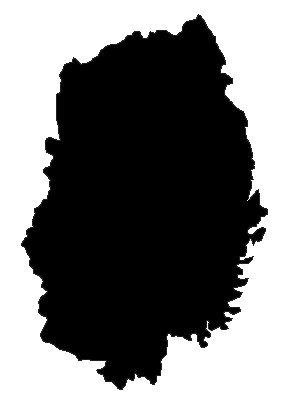
Rikuzentakata (陸前高田市, Rikuzentakata-shi) is a coastal city located in Iwate Prefecture in Japan. It faces the Pacific Ocean and historically developed around fisheries, forestry and small-scale commerce.
According to the 2010 census, the population of Rikuzentakata was 23,302 (the 2005 count was 24,709). The municipality in its current form was established on January 1, 1955.
Image gallery
6 Images


2011 earthquake and tsunami
On March 11, 2011, Rikuzentakata was among the communities most severely affected by the 2011 Tōhoku earthquake and tsunami. Large areas of the built-up coastal plain were inundated and many homes, businesses and public facilities were destroyed. A substantial portion of the population was killed, injured or rendered homeless, and the disaster prompted an extended emergency and recovery effort.
Recovery and redevelopment
In the years after 2011 the city undertook extensive reconstruction, including measures to strengthen coastal defenses, remove debris, and redesign the urban layout to reduce future risks. One widely reported symbol of the disaster and subsequent restoration was a lone pine tree that remained standing in the flooded landscape; it later died because of saltwater exposure and has been commemorated by a monument.
Economy and community
Rikuzentakata's economy has traditionally centered on fishing, aquaculture, and forestry, with local services supporting residents. Post‑disaster rebuilding efforts have aimed to revive these industries while improving disaster resilience and community infrastructure. Ongoing projects have focused on relocating key facilities to higher ground, rebuilding ports, and restoring public amenities.
Visitors and researchers interested in the city's recent history often study the reconstruction process and community initiatives as examples of long-term recovery after a major natural disaster.
Questions and answers
Q: Where is Rikuzentakata located?
A: Rikuzentakata is located in Iwate, Japan.
Q: How many people lived in Rikuzentakata according to the 2010 census?
A: The 2010 census counted 23,302 people living in Rikuzentakata.
Q: Was Rikuzentakata heavily damaged by the 2011 Tōhoku earthquake and tsunami?
A: Yes, much of Rikuzentakata was heavily damaged by the 2011 Tōhoku earthquake and tsunami.
Q: When was Rikuzentakata founded?
A: Rikuzentakata was founded on January 1, 1955.
Q: How many people lived in Rikuzentakata according to the 2005 census?
A: The 2005 census showed that 24,709 people lived in Rikuzentakata.
Q: What is the full name of Rikuzentakata?
A: The full name of Rikuzentakata is Rikuzentakata-shi.
Q: What type of natural disaster affected Rikuzentakata?
A: Rikuzentakata was affected by the 2011 Tōhoku earthquake and tsunami.
Author
AlegsaOnline.com Rikuzentakata: Coastal City in Iwate Prefecture and 2011 Tsunami Recovery Leandro Alegsa
URL: https://en.alegsaonline.com/art/144861