
Rationing: methods for allocating scarce resources
Rationing is the controlled distribution of limited goods, services, or resources to manage shortages or fairness. It includes systems such as coupons, quotas, medical triage and water restrictions.
Rationing is the deliberate limitation of access to goods, services or resources when demand outstrips supply. It is used to manage scarcity, maintain social order, meet public-health goals, or pursue equity objectives. Rationing can be imposed by governments, organizations, or market institutions and may be temporary (emergency shortages) or stable (long-term regulations).
Image gallery
10 Images





Features and common methods
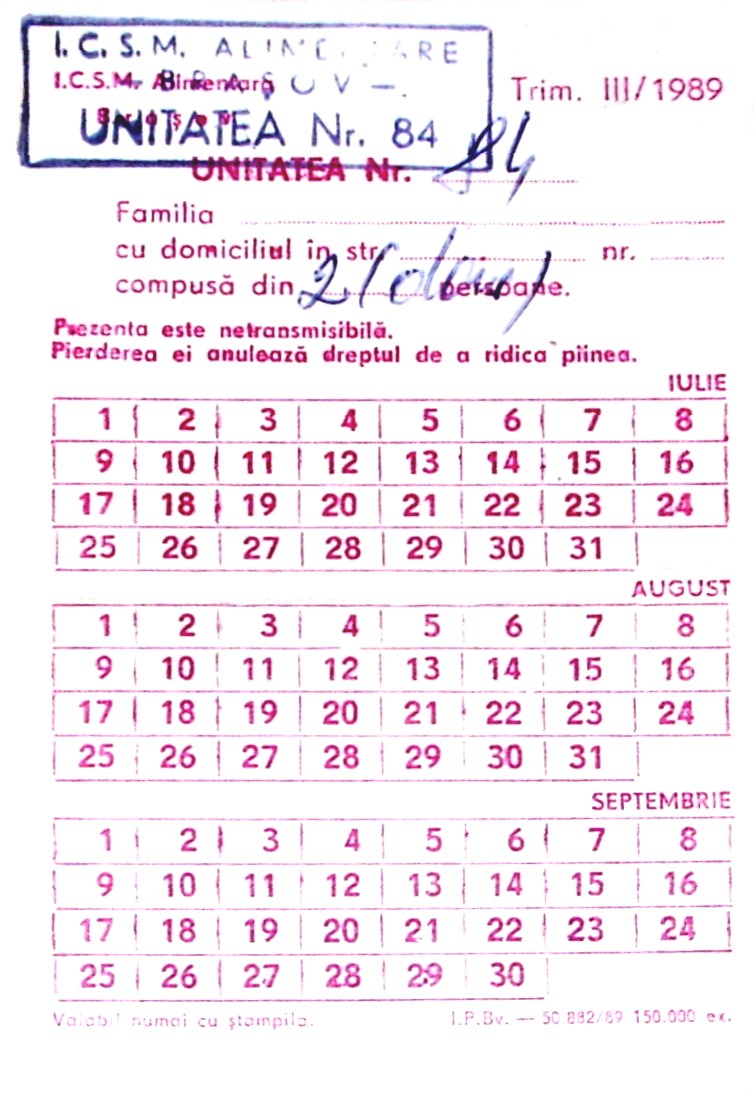
Rationing defines who receives what, when, and how much. Typical mechanisms include price controls coupled with quantity limits, ration cards or coupons, strict quotas for producers and consumers, scheduled access (turn-taking or odd–even schemes), and administrative priority rules (such as medical triage). Implementation often relies on documentation, registration systems, and enforcement measures to prevent hoarding and diversion.
Historical development and examples
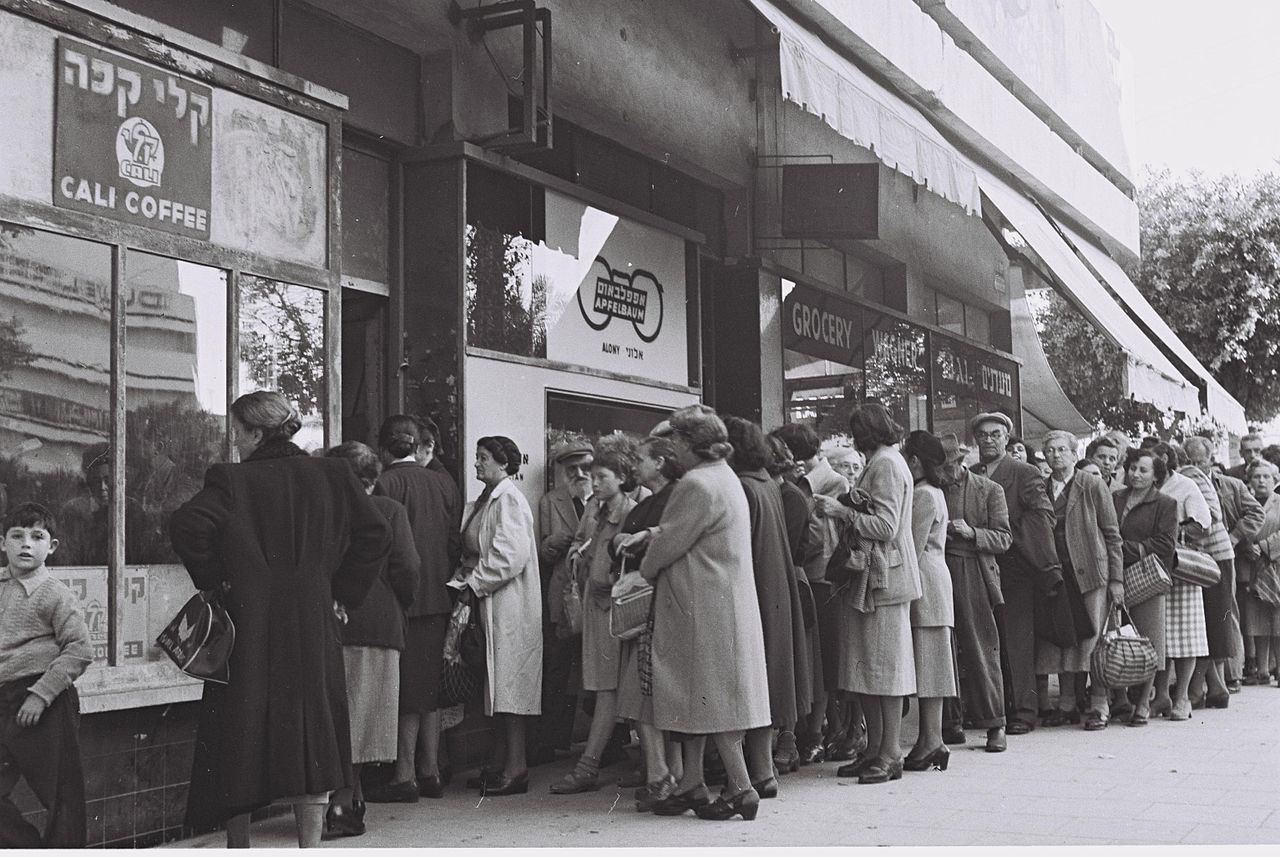
Rationing has a long history, prominently applied during wars and economic crises. In the 20th century, many nations rationed food, fuel, and raw materials during the world wars. Peacetime examples include fuel rationing during oil shocks, water restrictions in drought-prone regions, and allocation systems for subsidized housing or emergency relief supplies. Modern public-health crises have also prompted forms of rationing—for example, prioritizing access to limited vaccines or critical care resources.
Purposes, advantages and drawbacks
Advantages of rationing include rapid control over shortages, perceived fairness when access is distributed by clear rules, and the ability to align allocation with social priorities (for example, favoring vulnerable groups). Drawbacks include administrative complexity, the creation of black markets or corruption when enforcement is weak, reduced incentives for supply responses if prices are suppressed, and difficult moral choices when life-saving treatments are scarce.
Types and contexts
- Economic rationing: government limits on consumer purchases, subsidized allocations, or producer quotas.
- Medical rationing: triage protocols, organ allocation systems, and criteria for intensive-care prioritization.
- Environmental and utility rationing: water-use restrictions, electricity curtailment, and emissions caps (implemented by permits).
- Administrative rationing: rules-based distribution for social services, emergency relief, or limited permits.
Distinctions and notable considerations
Rationing differs from allocation by price: markets allocate by willingness to pay, while rationing allocates by rules or need. It also differs from voluntary conservation, which depends on personal choice rather than enforced limits. Effective rationing requires transparent criteria, monitoring to limit diversion, mechanisms for appeals or adjustments, and attention to ethical implications when choices affect basic needs or survival.
Author
AlegsaOnline.com Rationing: methods for allocating scarce resources Leandro Alegsa
URL: https://en.alegsaonline.com/art/144671
Sources
- thenewpress.com : "Any way you slice it: The past, present and future of rationing"