
President of Kosovo: role, selection, and constitutional functions
Overview of the office of the President of Kosovo: official titles, election by the Assembly, principal duties, historical context, and notable features of the presidency.
Overview
The President of Kosovo is the republic's head of state and chief representative at home and abroad. The office is officially styled as the President of the Republic of Kosovo and is known in local languages; for example in Albanian as the Albanian title and in Serbian as the Serbian title. The president embodies the continuity and unity of the state and performs constitutional and ceremonial functions that complement the work of the government and parliament.
Image gallery
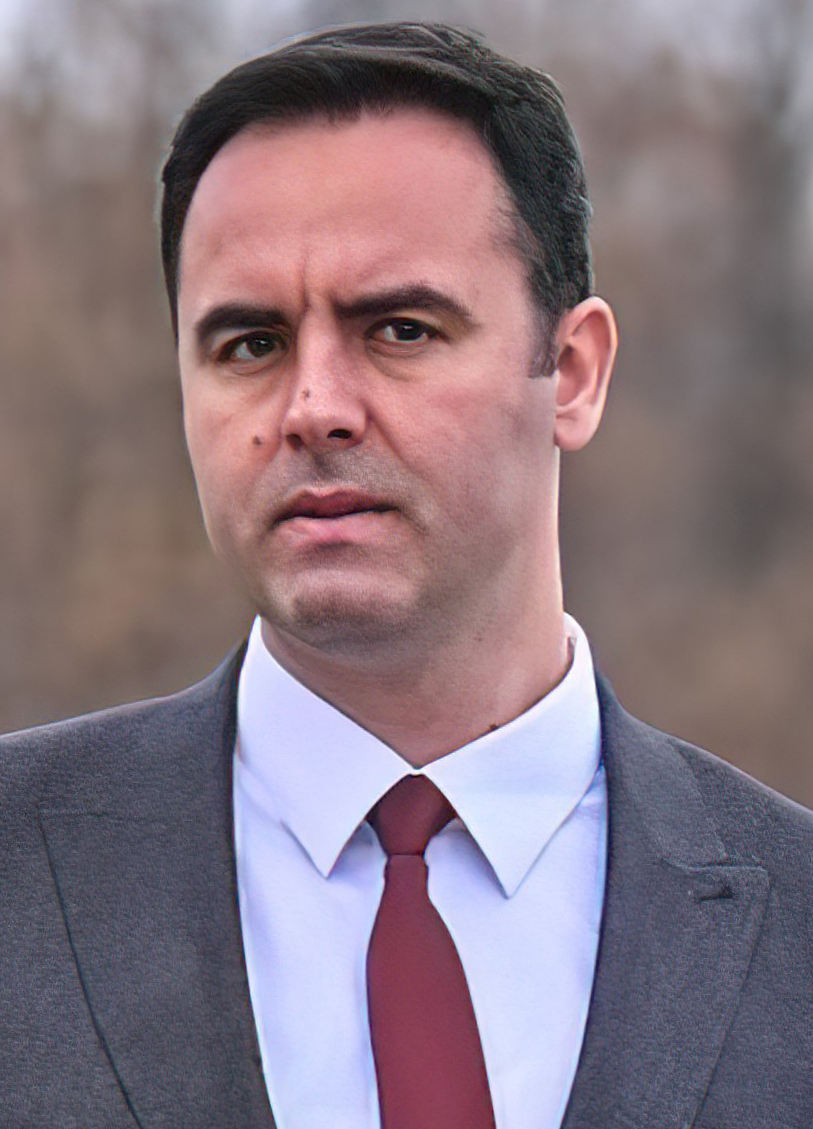
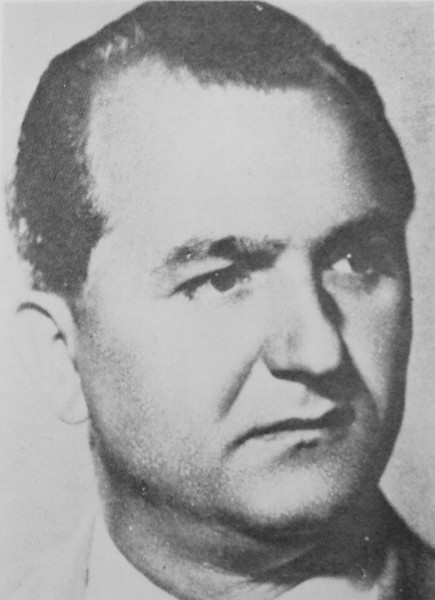
10 Images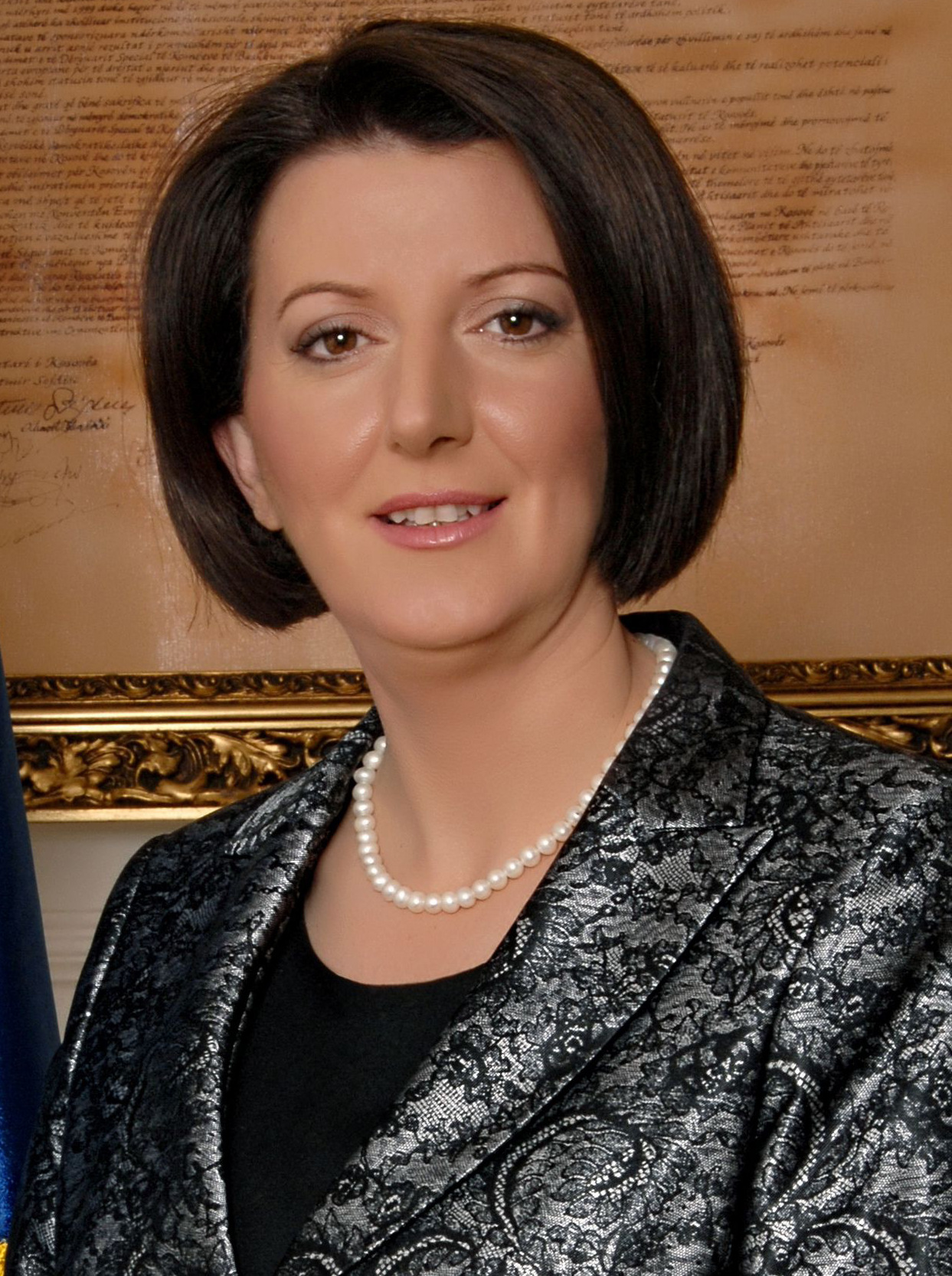





Election and term
The president is chosen indirectly by the country's legislature rather than by a popular vote. Election takes place in the Assembly of Kosovo through a secret ballot and requires a broad parliamentary majority to secure the office, reflecting the intention that the holder enjoy cross-party legitimacy. The exact term length and limits are defined in the constitution.
Powers and duties
The president's responsibilities typically combine symbolic representation with specific constitutional tasks. In many parliamentary republics these include formally accrediting ambassadors, receiving foreign envoys, promulgating laws, and performing acts that require the state's official sanction. The president also has a role in the formation of government and in constitutional safeguards, acting as a guarantor of the constitutional order and national cohesion.
Typical functions (summary)
- Representing the state in international relations and official ceremonies (see head of state responsibilities).
- Formally appointing or proposing officials, within constitutional limits.
- Promulgating legislation and exercising limited oversight functions to ensure laws conform to the constitution.
- Carrying out ceremonial duties that symbolize national unity and continuity.
History and context
The modern presidency emerged after Kosovo's institutions were reformed in the 2000s and the state proclaimed its independence in the early 21st century. As Kosovo consolidated state structures, the presidency was designed to be a stabilizing, above-partisan office that helps integrate different communities and represent the country internationally. The president works alongside other state bodies to implement policies and to promote constitutional stability in a region with a complex political history.
Notable facts and distinctions
The presidency in Kosovo is distinct from the head of government: it emphasizes representation and constitutional duties rather than daily executive management. The institution is framed by the country's multilingual character and by international engagement; official documents and ceremonies often reference the state as the Republic of Kosovo. Because the office is filled through the legislature, the president's mandate commonly depends on obtaining cross-party support, which can influence both selection and the officeholder's public role.
For concise constitutional text and further procedural details consult official legal sources and parliamentary rules. The president's precise powers, conditions for election, and restrictions are set out in those governing documents and may be updated through legislative or constitutional processes.
Author
AlegsaOnline.com President of Kosovo: role, selection, and constitutional functions Leandro Alegsa
URL: https://en.alegsaonline.com/art/144437