
PHP (PHP: Hypertext Preprocessor): Server-side scripting language
PHP is a widely used open-source server-side scripting language for creating dynamic web pages and web applications. It embeds in HTML, works with databases, and runs on the web server.
Overview
PHP, whose name stands for "PHP: Hypertext Preprocessor," is an open-source, server-side scripting language designed primarily for web development. PHP code is executed on the web server to generate HTML or other output that is then sent to a user's browser. Because processing happens before the page is delivered, PHP is often described as a preprocessor for web content and is commonly embedded within HTML files.
Image gallery
6 Images


Characteristics and components
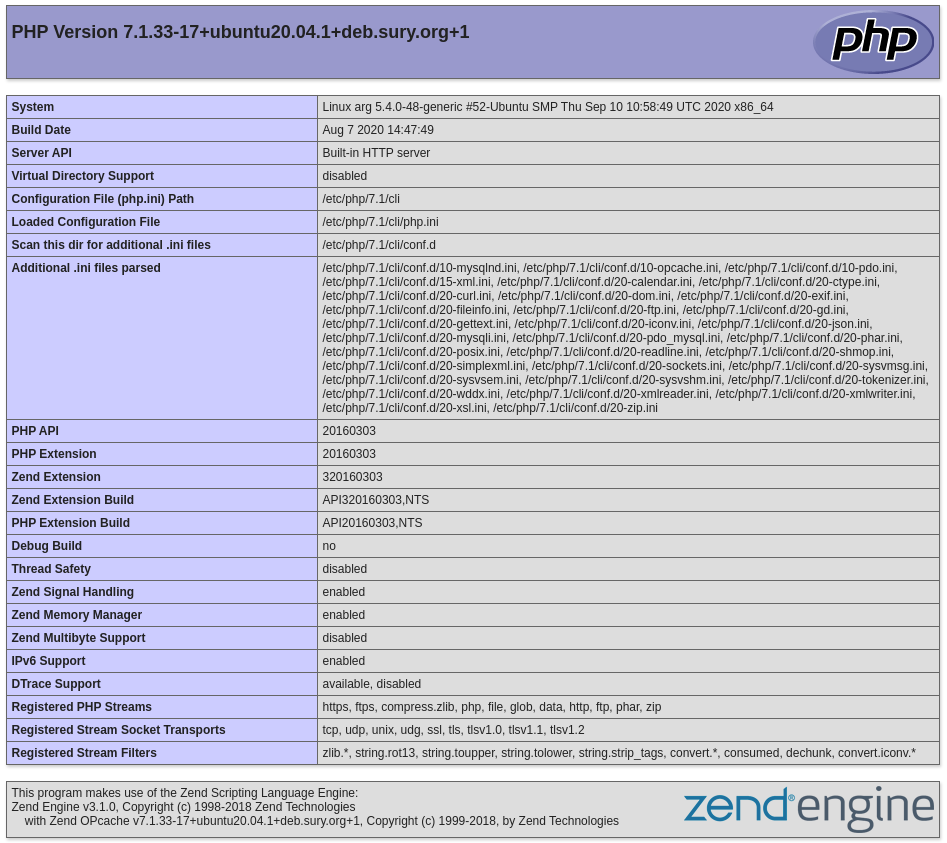
PHP combines a C-like syntax with features borrowed from many languages, giving it a flexible, pragmatic style. Typical characteristics include easy embedding into HTML, a large standard library for common web tasks, and built-in support for common internet protocols. Source files typically use extensions such as .php, .php3, or .phtml, though server configuration can alter accepted extensions. For development and deployment it is often paired with web servers and database systems in common stacks.
History and development
PHP was created in the mid-1990s and evolved from simple tools for tracking visits into a full scripting language maintained by a broad community. Its design and functionality were influenced by languages such as C, Perl, Java, C++, and Python, and it has grown through contributions from many developers. The language and its core runtime are recognized as free software by major free-software organizations, and its development continues through community and corporate contributors.
Common uses and examples
Developers use PHP for tasks where server-side logic is required: processing form submissions, managing user authentication and sessions, generating dynamic page content, and interacting with databases. PHP commonly accesses relational databases to read and write data; an example pairing often seen in tutorials and applications is PHP with MySQL. It is also used to build RESTful APIs, command-line tools, and background services.
Features and practical notes
- Simple embedding: PHP code blocks can appear inside HTML and are evaluated on the server.
- Wide ecosystem: libraries, frameworks, and content-management systems make development faster.
- Interoperability: PHP works with many web servers and database systems and supports common web protocols.
- File extensions and configuration are flexible; administrators can map different extensions to the PHP processor.
Distinctions and notable facts
Unlike client-side languages that run in the browser, PHP executes on the server and sends the resulting output to the client; source PHP code is never revealed to the visitor. The official name is a recursive acronym, and the language emphasizes practical tooling for web tasks over strict academic design. For further technical references, community resources and official documentation provide detailed language references and migration guides: see the official documentation and community pages for tutorials and best practices. For background on its role in web stacks and server-side development, consult introductory materials such as language overviews, comparisons to other scripting languages, and compatibility guides. Additional resources on licensing and free-software status are available from advocacy groups via project pages, and community repositories and package sources can be found through standard distribution channels: source archives and mirror pages.
Whether used for small personal sites or large-scale applications, PHP remains a practical tool in web development due to its simplicity, extensive tooling, and long history in the web ecosystem.
Questions and answers
Q: What is PHP?
A: PHP is a scripting language that helps people make web pages more interactive by allowing them to do more intelligent, complex things.
Q: Where is PHP code run?
A: PHP code is run on the web server.
Q: Why is PHP called a preprocessor?
A: PHP is called a preprocessor because it builds the information before sending it to the computer that visits the web page.
Q: What can a website programmed with PHP do?
A: A website programmed with PHP can have pages that are password protected.
Q: What are some standard PHP file extensions?
A: Some standard PHP file extensions are: .php .php3 or .phtml, but a web server can be set up to use any extension.
Q: What languages influenced the structure of PHP?
A: The structure of PHP was influenced by many languages like C, Perl, Java, C++, and even Python.
Q: Is PHP considered free software by the Free Software Foundation?
A: Yes, PHP is considered to be free software by the Free Software Foundation.
Author
AlegsaOnline.com PHP (PHP: Hypertext Preprocessor): Server-side scripting language Leandro Alegsa
URL: https://en.alegsaonline.com/art/144181
Sources
- itc.conversationsnetwork.org : "PHP on Hormones - history of PHP presentation by Rasmus Lerdorf given at the MySQL Conference in Santa Clara, California"
- talks.php.net : this
- php.net : "PHP 7.3.6 Release Announcement"
- php.net : "Official PHP License Information"
- w3schools.com : w3schools.com/php/php_intro.asp
- httpd.apache.org : "Apache Module mod_mime AddHandler Directive"
- fsf.org : "GPL-Incompatible, Free Software Licenses"
- php.net : "History of PHP"