
Philip K. Dick: life, themes, major works and cultural influence
Overview of American science fiction writer Philip K. Dick (1928–1982), his recurring themes, principal novels and stories, film and TV adaptations, and his continuing influence on literature and media.
Philip Kindred Dick (1928–1982) was an American writer whose speculative fiction reshaped ideas about reality, identity and perception. He is widely regarded as one of the most imaginative and philosophically provocative figures in 20th‑century science fiction. For a concise biographical overview and publication record, readers often consult dedicated bibliographies and critical studies.
Image gallery
7 Images


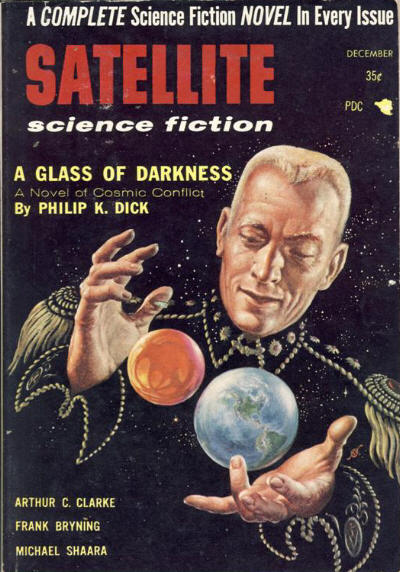

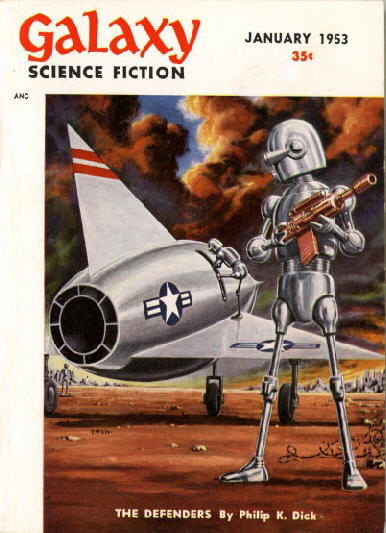
Style and recurring themes
Dick's work is marked by questions about what makes experience authentic: unreliable memories, artificial beings, hallucinations, government control, and altered states of consciousness appear repeatedly. His prose ranges from pulp‑driven plots to dense, metaphysical narratives. Many stories pair ordinary settings with sudden ontological twists that force characters — and readers — to re-evaluate assumed facts.
Books, stories and formats
He wrote dozens of long works as well as roughly a hundred and twenty short pieces, produced largely for mid‑century genre magazines. His output includes novels, novellas and short stories; scholars and fans alike trace continuities in theme across forms. For lists of his novels and collected short stories, see annotated bibliographies and library catalogs.
Notable works
- The Man in the High Castle — an alternate history that won wide recognition and a major genre award.
- Do Androids Dream of Electric Sheep? — a novel about empathy and artificial humans, later adapted to film.
- Ubik — a reality‑bending novel that explores premature entropy and corporate power.
- A Scanner Darkly and VALIS — works that probe addiction, surveillance and religious experience.
Adaptations and cultural reach
Several of Dick's stories have been adapted to film and television, bringing his ideas to broader audiences. At least eight of his works have provided the basis for movies or series, including well‑known films inspired by his short stories and novels. Examples include cinematic and television treatments that transformed literary premises into visual narratives, often changing plot elements while retaining core philosophical questions; for details on these screen adaptations consult filmographies and adaptation studies.
Beyond adaptations, Dick's influence is visible in the development of cyberpunk, contemporary dystopian fiction and media that interrogate surveillance, cognition and machine intelligence. Critical interest in his oeuvre continues to grow, with academic conferences, new editions and media projects keeping his work in public discussion. For a general profile of Dick as an author and cultural figure, readers may explore retrospective essays and collected interviews.
Whether read for thrilling plots or for the unsettling philosophical questions they raise, Philip K. Dick's works remain touchstones for anyone interested in the boundary between what is real and what is constructed.
Questions and answers
Q: Who is Philip K. Dick?
A: Philip K. Dick was an American writer known for his works of science fiction.
Q: How many short stories did Philip K. Dick write?
A: Philip K. Dick wrote approximately 121 short stories.
Q: What was the purpose of writing most of his short stories?
A: Philip K. Dick wrote most of his short stories for science fiction magazines.
Q: How many of Philip K. Dick's stories have been adapted into movies?
A: At least eight of Philip K. Dick's stories have been adapted into movies.
Q: When was Philip K. Dick born and when did he pass away?
A: Philip K. Dick was born on December 16, 1928, and he passed away on March 2, 1982.
Q: What was Philip K. Dick's most famous genre?
A: Philip K. Dick's most famous genre was science fiction.
Q: What was Philip K. Dick's contribution to literature?
A: Philip K. Dick's contribution to literature was his significant contribution to the science fiction genre through his novels and short stories.
Author
AlegsaOnline.com Philip K. Dick: life, themes, major works and cultural influence Leandro Alegsa
URL: https://en.alegsaonline.com/art/144161