
Peter Waldo — leader associated with the Waldensian movement
12th‑century Lyonese merchant turned religious leader associated with the Waldensians, a lay movement stressing poverty, preaching and vernacular scripture; later condemned, it survived in Alpine Europe.
Overview
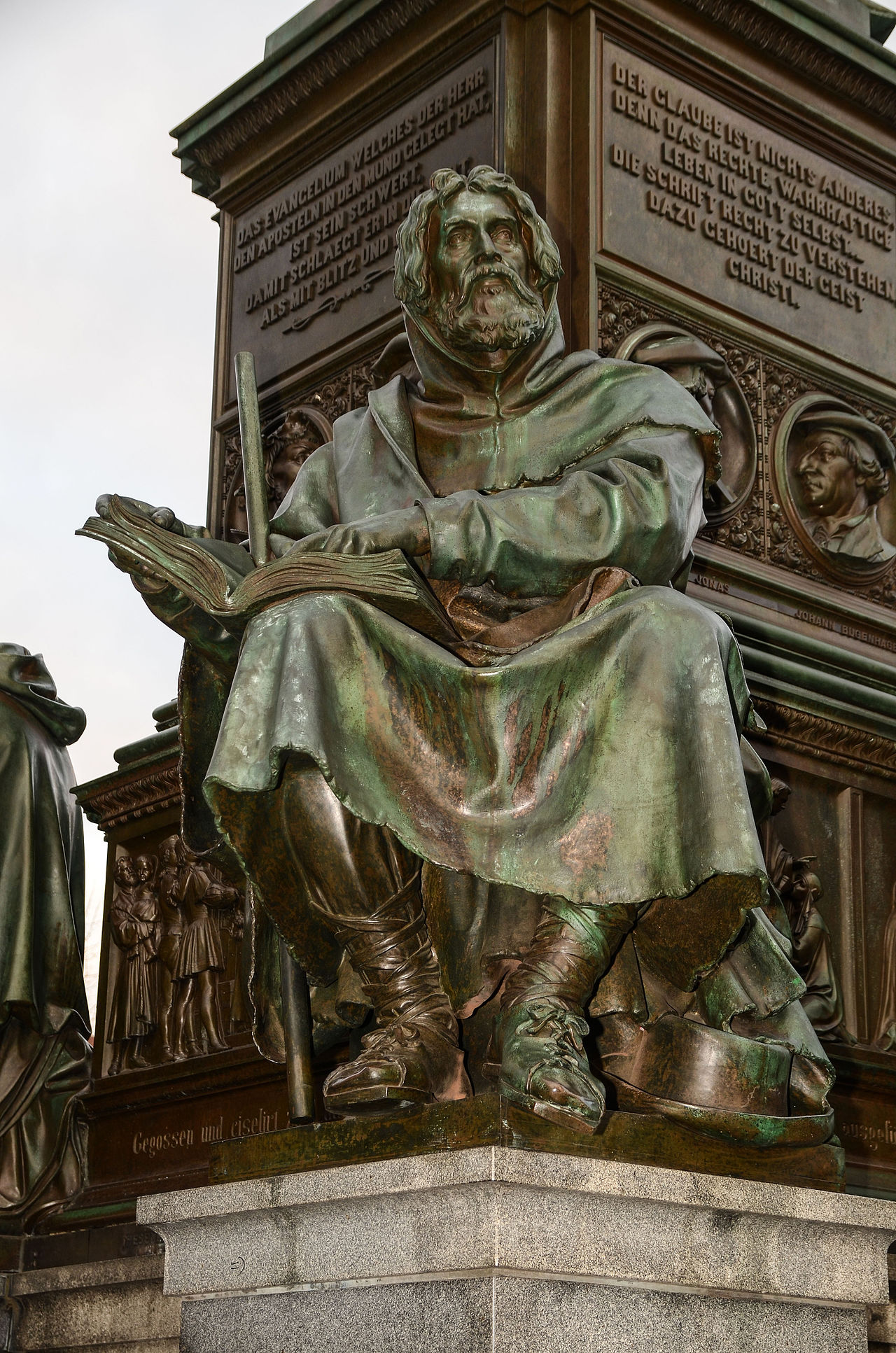
Peter Waldo (also Valdo, Waldes, or Pierre Vaudès) is the name most often linked with the origins of the Waldensians, a lay Christian movement that emerged in the late 12th century. He is commonly described as a prosperous merchant from Lyon who embraced voluntary poverty and preaching, and who became a focal figure for a group whose practices and teachings challenged clerical norms of the time. The movement is part of the wider history of Christian renewal in the Middle Ages and has surviving communities in parts of southern Europe.
Image gallery
5 Images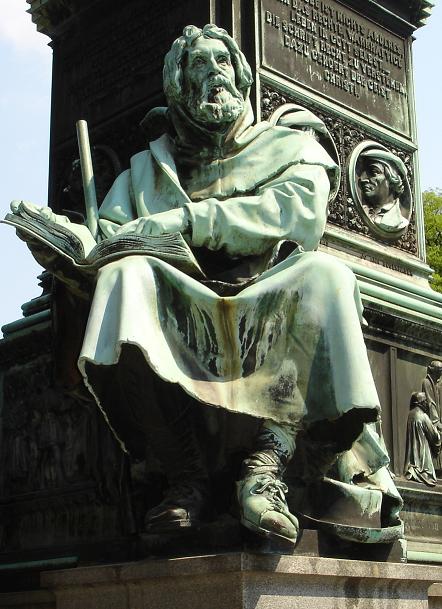


Life and beginnings
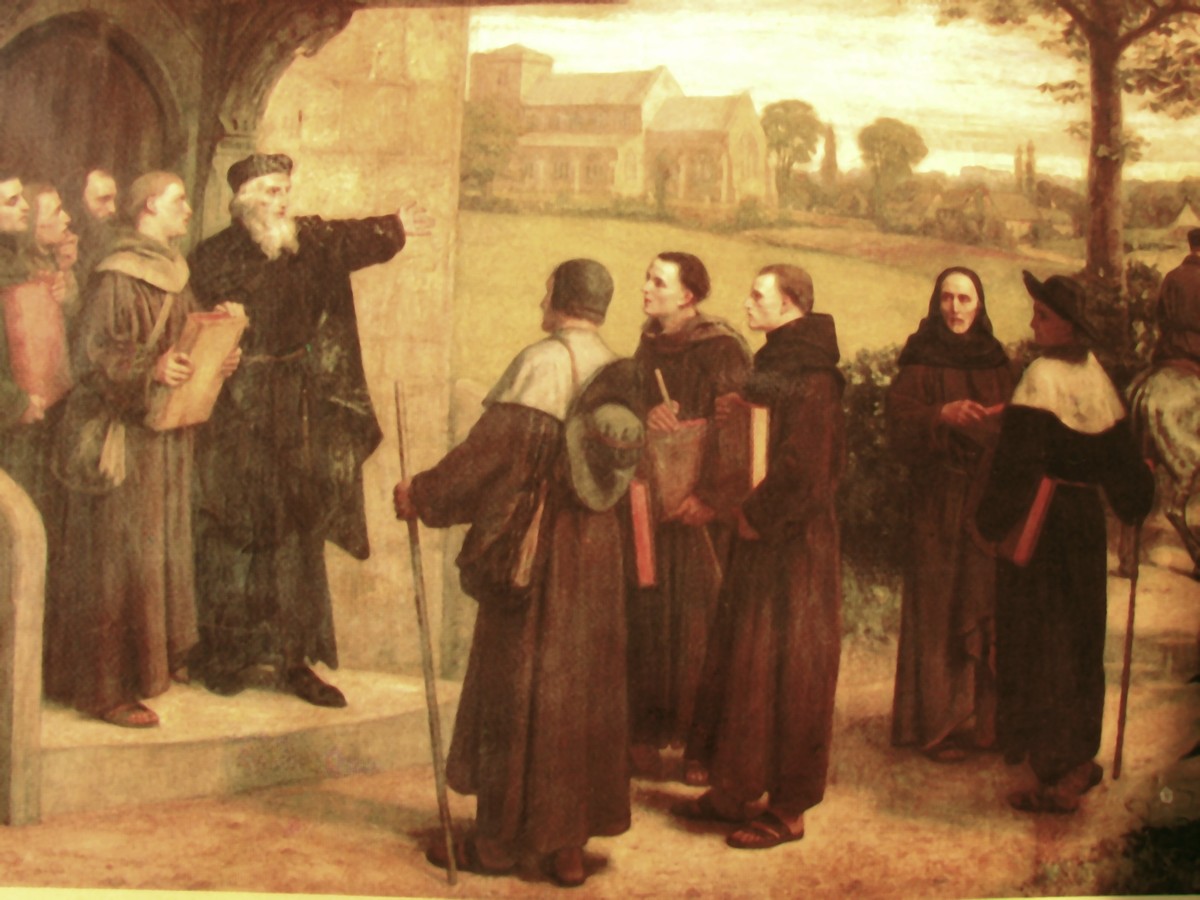
Biographical details about Waldo are limited and often derived from later chronicles, inquisitorial records, and the memory of the Waldensian communities themselves. According to traditional accounts, he experienced a moral or spiritual crisis in midlife that led him to renounce his wealth and to promote an austere, itinerant form of preaching. He and his followers sought to live by the Gospels in a simple, apostolic way, emphasizing poverty, lay participation, and direct engagement with scripture.
Beliefs and practices
The group associated with Waldo advocated several characteristic practices, though precise doctrines varied by region and over time:
- Voluntary poverty and simple living as a Christian ideal.
- Lay preaching and missionary activity outside the formal clerical hierarchy.
- Use of the vernacular and an emphasis on access to scripture; some accounts credit followers with producing translations or vernacular summaries of biblical texts.
- A critical stance toward clerical wealth and perceived moral failings among clergy, without necessarily adopting dualist theology.
Conflict with ecclesiastical authorities
The Waldensians’ insistence on lay preaching and their critique of church practices brought them into tension with local bishops and ultimately with the papacy. Over time the movement was condemned as heretical by church councils and officials, leading to excommunications, periodic persecution, and pressure to conform. Historical records show a range of responses: some clerics sought to reintegrate earnest adherents, while others pursued punitive measures. Several later Waldensian communities endured by retreating into mountain regions.
Sources, disputes, and legacy
Because contemporary documentation is sparse, historians debate how central Waldo himself was to the long‑term development of the movement and whether similar communities existed before his leadership. Some early historians proposed differing death dates for Waldo; for example, a later scholar named Thuanus suggested he died in 1179, a claim treated cautiously by modern researchers. Sources for study include later Waldensian testimonies, clerical condemnations, and inquisitorial records, each with their own biases.
Modern significance
The Waldensians later entered into dialogue and, in many cases, communion with Protestant movements during the Reformation, while preserving distinct elements of their tradition. Today the Waldensian legacy survives most visibly in religious communities in Italy and nearby regions, where descendants remember an identity shaped by dissent, scriptural emphasis, and perseverance. For further general context on medieval reform movements see general Christian reform or regional histories of the Middle Ages, and for contemporary presence consult resources on communities in southern Europe.
Questions and answers
Q: Who was Peter Waldo?
A: Peter Waldo, also known as Valdo, Pierre Vaudès or de Vaux, was a Christian spiritual leader from the Middle Ages believed by many to have started the Waldensians.
Q: What is the Waldensian movement?
A: The Waldensian movement is a Christian spiritual movement of the Middle Ages that still exists today in parts of southern Europe.
Q: How much is known about Peter Waldo's life?
A: Not much was written down about Peter Waldo while he was alive, so it is difficult to determine how important he was to the formation and leadership of the Waldensian movement.
Q: When did Thuanus think that Peter Waldo died?
A: The French historian Thuanus thought that Peter Waldo died in 1179.
Q: Is there any evidence that suggests the existence of the Waldensian movement before his leadership?
A: Yes, there is some evidence suggesting that the movement may have been around before his leadership.
Q: Where does this Christian spiritual movement exist today?
A: This Christian spiritual movement still exists today in parts of southern Europe.
Author
AlegsaOnline.com Peter Waldo — leader associated with the Waldensian movement Leandro Alegsa
URL: https://en.alegsaonline.com/art/144133