
P. J. Kennedy — Boston businessman and political organizer
P. J. Kennedy (1858–1929) was a Boston saloonkeeper, entrepreneur and Democratic political boss whose business interests and local patronage helped lay the foundation of the Kennedy family's public prominence.
Patrick Joseph "P. J." Kennedy (January 14, 1858 – May 18, 1929) was a prominent figure in Boston's Irish-American community, known for combining commercial enterprise with active participation in the Democratic Party. Born to Irish immigrant parents, he rose from manual labor to ownership of multiple businesses and became a respected political operator in a city where ward politics and personal networks shaped municipal life. He is widely remembered as the father of Joseph P. Kennedy, Sr. and the grandfather of John F. Kennedy.
Image gallery
2 Images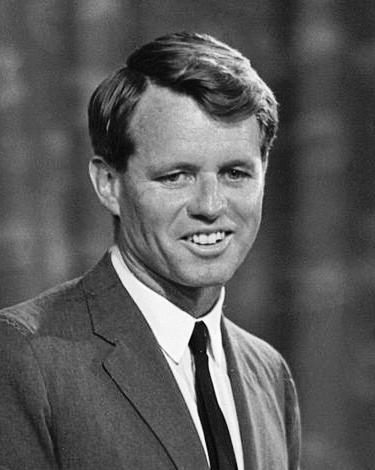

Early life and business activities
P. J. Kennedy grew up in a working-class Irish neighborhood of Boston and began working at a young age. He first took physically demanding jobs on the waterfront before entering the hospitality trade. Over time he owned and operated several saloons and invested in related ventures such as a liquor import business. Through shrewd partnerships and reinvestment, his interests expanded to include coal distribution and stakes in banking institutions. These enterprises provided both income and a wide network of local contacts that were useful in political organizing.
Political career and methods
Kennedy became active in local Democratic politics at a time when Boston was consolidating ethnic voting blocs and clientelist machines. He served in both houses of the Massachusetts legislature and held influential roles in ward-level party structures. Rather than seek high-profile statewide office, he specialized in behind-the-scenes leadership: securing patronage jobs, mobilizing neighborhood votes, and negotiating between the Irish Catholic community and established Protestant elites. His ability to move comfortably between social circles helped his effectiveness as a local power broker.
Family, influence and legacy
Married to Mary Augusta Hickey, Kennedy raised a family that would become one of the most prominent American political dynasties. He provided a material and social foundation that allowed his children, especially Joseph P. Kennedy, Sr., to pursue wider business and political ambitions. While P. J. himself remained a city politician and businessman, the patterns of networking and pragmatic alliance-building he practiced were lessons that shaped the next generation's approach to finance, politics and public life.
Notable points and context
- Background: He was the son of Irish immigrants and endured family losses in a period when diseases such as cholera affected immigrant communities.
- Economic strategy: Saloons and import businesses served as both commercial ventures and social hubs for political organizing.
- Political role: Best described as a local boss and kingmaker rather than an aspirant to national office; his power rested on patronage and neighborhood influence.
- Legacy: His combination of commercial success and political skill helped establish the material and social capital later used by his descendants.
Although not a household name outside studies of the Kennedy family or Boston history, P. J. Kennedy represents a common pattern in American urban politics of the late 19th and early 20th centuries: immigrant roots, entrepreneurial initiatives, and the cultivation of local political machines that translated neighborhood loyalty into civic influence. His life illustrates how commerce and politics were intertwined in building social mobility for immigrant families and how that groundwork can reverberate across generations.
Questions and answers
Q: Who was P. J. Kennedy?
A: P. J. Kennedy was an American businessman and politician who was a major figure in the Democratic Party in Boston.
Q: Who was Joseph P. Kennedy, Sr.?
A: Joseph P. Kennedy, Sr. (1888-1969) was the son of P. J. Kennedy and the father of President John F. Kennedy (1917-1963).
Q: What was P. J. Kennedy's background?
A: P. J. Kennedy was the son of Irish immigrants, and he was the only surviving male in the family after two outbreaks of Cholera.
Q: What did P. J. Kennedy do for work?
A: P. J. Kennedy started work at fourteen as a stevedore in the docks, owned three saloons and a whisky import house, and eventually had major interests in coal and banking.
Q: How did P. J. Kennedy move into politics?
A: P. J. Kennedy moved successfully into politics, as a sociable man able to mix comfortably with both the Irish and the Protestant elite, and he sat in the Massachusetts House of Representatives and in the Massachusetts Senate.
Q: What was P. J. Kennedy's particular talent in politics?
A: P. J. Kennedy's particular talent was for the behind-the-scenes machinations for which Boston politics became so notorious.
Q: Who was President John F. Kennedy's grandfather?
A: President John F. Kennedy's grandfather was P. J. Kennedy.
Author
AlegsaOnline.com P. J. Kennedy — Boston businessman and political organizer Leandro Alegsa
URL: https://en.alegsaonline.com/art/143835