
Oliver Wendell Holmes, Sr.
19th-century American physician, poet, essayist and medical reformer, known for the 'Breakfast-Table' essays, the poem 'Old Ironsides', and influential work in clinical teaching and public health.
Oliver Wendell Holmes, Sr. (August 29, 1809 – October 7, 1894) was an American physician, poet, lecturer and author whose work bridged literature and medicine. He became widely known for lively conversational essays and verse that combined wit, moral reflection and a strong sense of public purpose. A member of the group called the Fireside Poets, Holmes helped shape nineteenth-century American letters while also pressing for reforms in medical practice.
Image gallery
10 Images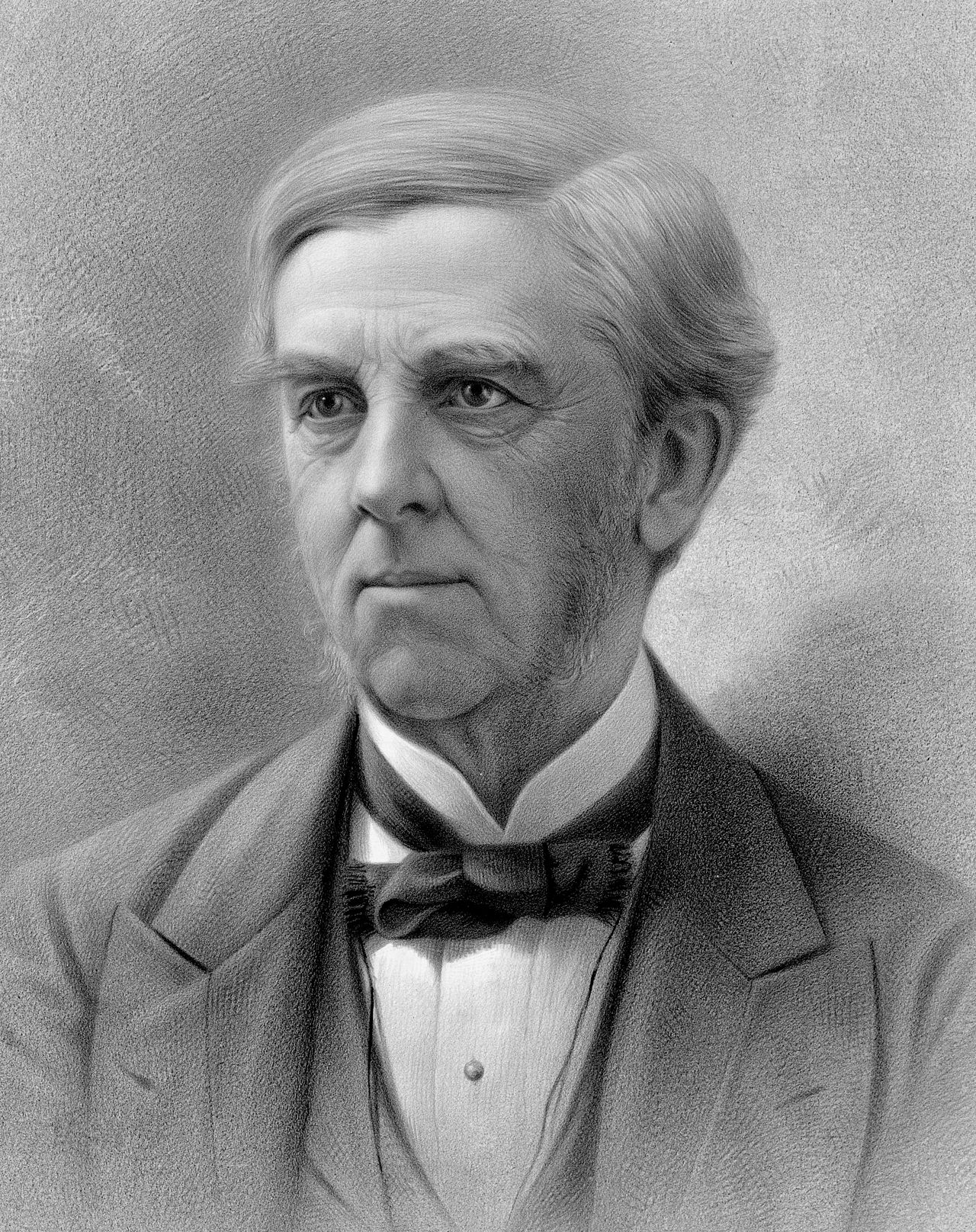


Major writings and literary style
Holmes achieved broad popular recognition with the "Breakfast-Table" series, beginning with The Autocrat of the Breakfast-Table, a sequence of essays presented as the remarks of a genial and observant narrator around a boarding-house table. His verse ranged from playful and anecdotal pieces to serious occasional poems; among these, "Old Ironsides" — a protest poem written in response to plans to scrap the warship USS Constitution — became famous for helping to rally public sentiment to preserve the vessel. Holmes's prose is often praised for its conversational tone, erudition, and capacity to blend scientific insight with everyday experience.
Medical career and reform
Trained and employed as a physician and medical teacher, Holmes was an influential figure in clinical education and public health discourse. He lectured on anatomy and physiology and wrote essays that argued for careful clinical observation, hygienic practice, and professional responsibility among physicians. His writing on puerperal fever and contagion emphasized that physicians could carry infection between patients and encouraged measures to limit such transmission. Holmes thus occupies a dual place in history as both a man of letters and an advocate for improved medical standards.
Public roles and connections
Active in the intellectual life of Boston, Holmes contributed to periodicals and literary circles and was associated with efforts to create forums for American writing. He belonged to the literary company sometimes called the Fireside Poets, alongside figures such as Longfellow and Whittier, who aimed at poetry accessible to family reading. Holmes also served as a public lecturer, a popular role that helped spread his ideas beyond formal academic settings.
Legacy and notable facts
- His essays and poems influenced American tastes in humor and essay-writing, encouraging a conversational, observational literary mode.
- "Old Ironsides" is frequently cited as an early example of how literature can shape public policy and preservation efforts.
- Holmes's blend of scientific training and literary craft made him a prominent example of the physician-writer; his son, Oliver Wendell Holmes Jr., became a notable Supreme Court justice, further extending the family's public legacy.
For further reading on Holmes's life and writings, see general reference sources or collected editions of his essays and poems. A useful starting point is a summary account under the name Oliver Wendell Holmes, Sr., which provides an overview of his literary and medical contributions.
Author
AlegsaOnline.com Oliver Wendell Holmes, Sr. Leandro Alegsa
URL: https://en.alegsaonline.com/art/143644