
Nemertodermatida
Nemertodermatida are tiny, mostly marine interstitial acoelomorph worms. Millimetre-sized and ciliated, they have simple digestive, nervous, and reproductive systems and are studied for insights into early bilaterian evolution.
Overview
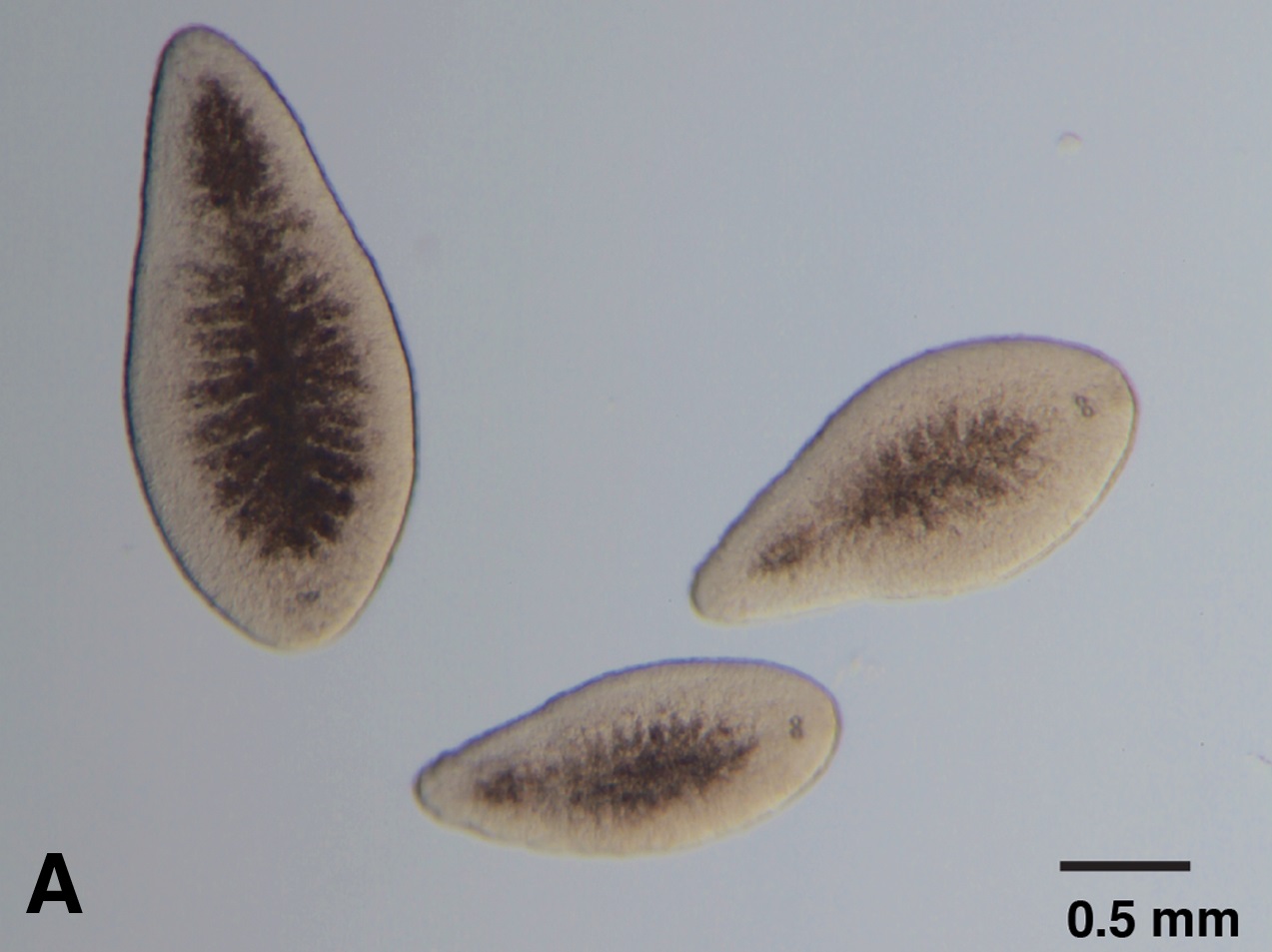
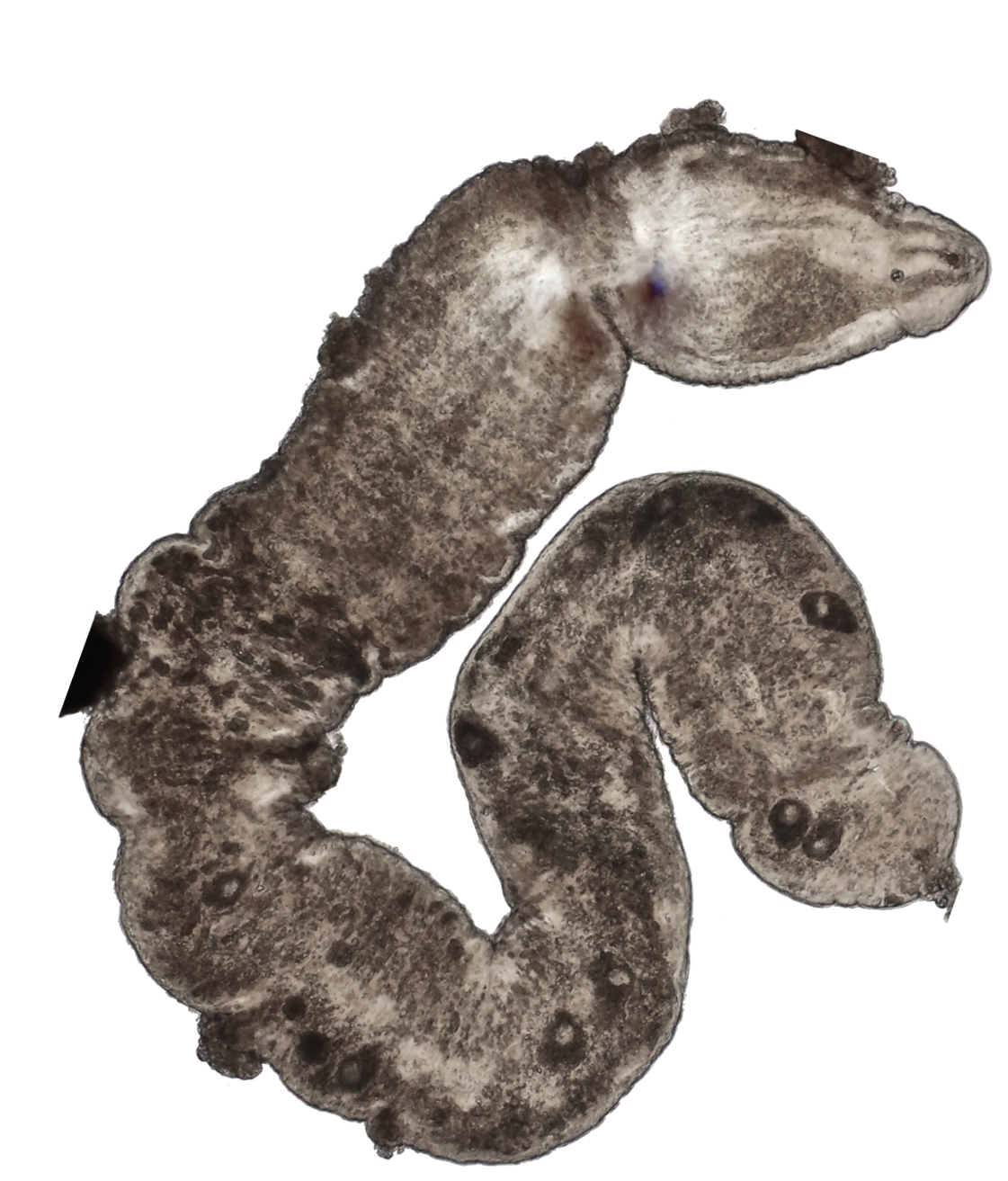
Nemertodermatida is a small class of minute, turbellariform worms placed within the Acoelomorpha. These animals are typically only a few millimetres long and live mainly in the interstitial spaces between sediment grains. They are free-living, non-parasitic members of the meiofauna and are notable for their simple body plans and microscopic size.
Image gallery
10 Images




Anatomy and physiology
Nemertodermatids are acoelomate, lacking a body cavity, and possess a ciliated epidermis that facilitates gliding locomotion. Their internal organization is simple: a limited digestive region or blind gut in many species, a rudimentary nervous network with sensory cells, and reproductive organs that are usually basic in structure. They do not show the organ complexity of larger bilaterians, which makes them valuable for comparative anatomy.
Habitat and distribution
These worms are found worldwide in marine sandy or muddy substrates and within coastal sediments; a few species occur in brackish habitats. Their small size lets them occupy microhabitats in the benthic meiofauna, where they move between grains of sediment and exploit resources unavailable to larger organisms.
Feeding and ecology
Nemertodermatids feed on microscopic organisms, detritus and suspended particles, acting as micropredators or deposit feeders. In doing so, they contribute to nutrient cycling in sediments and form part of the complex food web of the benthic microcommunity.
Reproduction and life cycle
Most species are hermaphroditic and reproduce sexually; internal fertilization and direct development without a distinct larval stage are common. Dispersal is typically limited but can occur passively with sediment transport or water movement.
Systematics and scientific importance
Historically associated with flatworms, nemertodermatids and other acoelomorphs were reclassified after molecular studies separated them from Platyhelminthes. They are considered informative for studies of early bilaterian evolution and body-plan origins. The described fauna is small (on the order of tens of species), and ongoing work in taxonomy and molecular systematics continues to reveal cryptic diversity and refine their evolutionary position.
Research notes
- Important in comparative developmental and genomic studies that address early animal evolution.
- Often sampled in meiofaunal surveys; many small or cryptic species may remain undescribed.
Author
AlegsaOnline.com Nemertodermatida Leandro Alegsa
URL: https://en.alegsaonline.com/art/143218