
Agra district (Uttar Pradesh, India)
District in central Uttar Pradesh with Agra city as headquarters; famous for Mughal monuments such as the Taj Mahal, a mixed economy of tourism, crafts and agriculture, and River Yamuna.
Overview
Agra district is one of the 75 districts of Uttar Pradesh and lies in northern India. The district headquarters is the historic city of Agra, which forms the cultural and economic heart of the area. Agra district is part of the larger Agra division and occupies a prominent place in the region because of its monuments, riverine plain and long urban history.
Image gallery
6 Images


Characteristics and geography
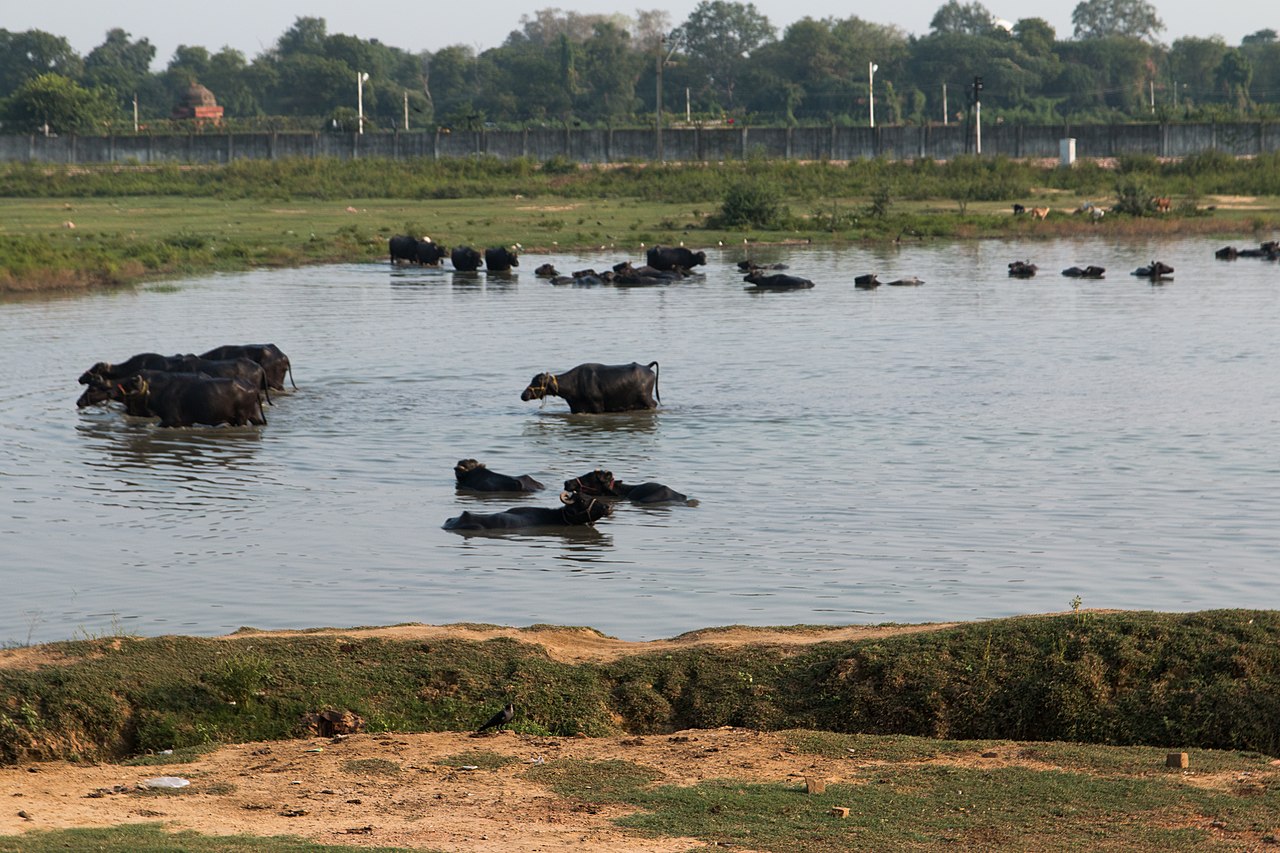
The district sits on the fertile alluvial plain of the Yamuna River, which influences local agriculture and settlement patterns. The terrain is largely flat with farmland, patches of urban development and pockets of older fortified towns. The climate is typical of the Indo-Gangetic plain with hot summers, a monsoon season and cool winters. Local languages include Hindi and Urdu, and the population is a mix of urban and rural communities.
History and cultural significance
Agra became a major political and artistic centre during the Mughal era. Several of the district’s monuments date from the Mughal period and are important milestones in South Asian architecture. The area’s historic sites, together with its role in regional politics over centuries, have left a dense layer of monuments, mosques and forts that attract scholars and visitors alike.
Economy, tourism and notable sites
Tourism is a major economic driver. The district contains internationally renowned monuments, many of which are protected and visited by large numbers of domestic and foreign tourists. Key attractions include:
- Taj Mahal – the district’s best-known landmark and a global symbol of Mughal architecture.
- Agra Fort – a large fortified complex with palaces and military structures.
- Fatehpur Sikri – a nearby fortified town and complex founded by Emperor Akbar.
Beyond tourism, the local economy includes agriculture on fertile soils, traditional crafts such as marble and stone inlay, leather goods and small-scale manufacturing. The district is well connected by road and rail to other northern Indian cities, aiding trade and visitor flows.
Administration and contemporary issues
Administratively, the district is divided into subordinate units that manage civic services, rural development and law enforcement. Modern challenges include balancing heritage conservation with urban growth, managing visitor pressures at fragile monuments, air and water quality concerns, and providing infrastructure to both urban and rural populations.
Importance and distinctions
Agra district is widely recognized for its concentration of Mughal-era architecture and its role in India’s cultural tourism industry. Its monuments have international recognition and protection efforts, while the district remains an active centre for agriculture, crafts and regional commerce.
For official administrative listings and further regional context see state and district resources linked above: Uttar Pradesh overview and local district information.
Questions and answers
Q: How many districts are there in Uttar Pradesh state of India?
A: There are 75 districts in Uttar Pradesh state of India.
Q: What is the name of the historical city that serves as the district headquarters of Agra district?
A: The name of the historical city that serves as the district headquarters of Agra district is Agra.
Q: Is Agra district a part of Agra division?
A: Yes, Agra district is a part of Agra division.
Q: What is the name of the state to which Agra district belongs to?
A: Agra district belongs to the state of Uttar Pradesh.
Q: What is the significance of Agra city?
A: Agra city is a historical city and is home to the famous Taj Mahal, which is considered one of the Seven Wonders of the World.
Q: What is the main purpose of a district headquarters?
A: The main purpose of a district headquarters is to govern and manage the affairs of the district.
Q: What is the significance of Agra district in Uttar Pradesh state?
A: Agra district is significant in Uttar Pradesh state because it is the home to one of the most popular tourist destinations in India, the Taj Mahal.
Related articles
Author
AlegsaOnline.com Agra district (Uttar Pradesh, India) Leandro Alegsa
URL: https://en.alegsaonline.com/art/1431
Sources
- agra.nic.in : "General Administration"
- census2011.co.in : "District Census 2011"
- cia.gov : "Country Comparison:Population"
- 2010.census.gov : "2010 Resident Population Data"
- indiatoday.intoday.in : "Muslim growth outsmarts Hindus for the first time in Mughal city Agra"