
Munier Choudhury — Bangladeshi playwright, critic and martyred intellectual
Abu Nayeem Mohammad Munier Choudhury (1925–1971) was a Bangladeshi playwright, literary critic and university teacher. His modern dramas and public role made him a prominent cultural figure and a martyred intellectual of 1971.
Abu Nayeem Mohammad Munier Choudhury (27 November 1925 – 14 December 1971) was a leading figure in modern Bengali theatre, a literary critic and a respected university teacher. His career combined creative drama, critical writing and public engagement with cultural and political issues of his time. Choudhury’s plays remain part of the Bangla dramatic repertoire and are studied for their moral intensity, formal experiment and social commitment.
Image gallery
3 Images
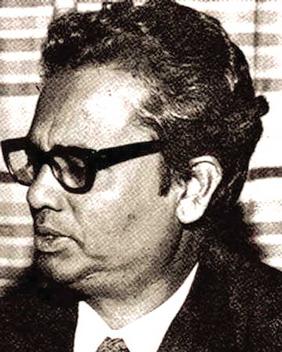
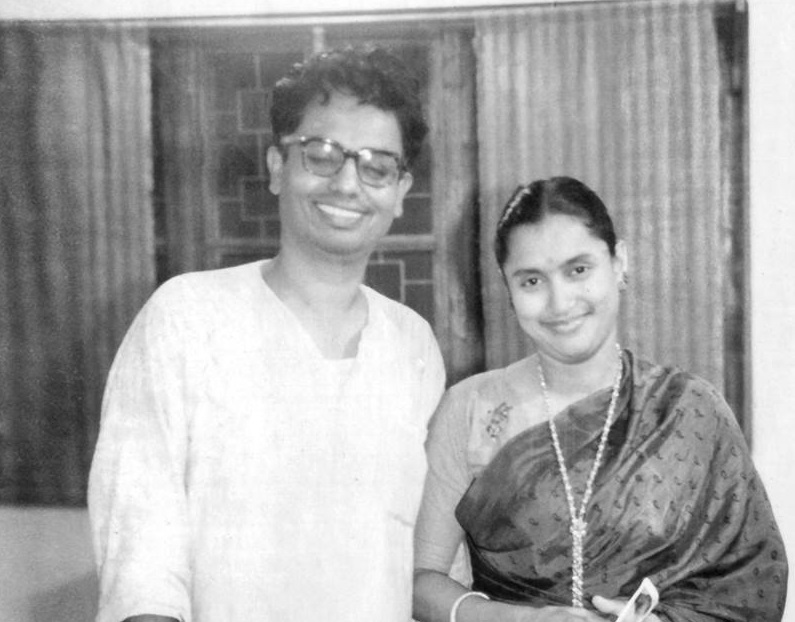
Major works and themes
Choudhury wrote influential dramas that explored ethical dilemmas, social injustice and the effects of political conflict on ordinary lives. Notable plays include Kabar (The Grave), Roktakto Prantor (Bloody Field) and Chithi (Letter). His work often blends realistic dialogue with symbolic and allegorical elements, probing questions of language, identity and civic responsibility. In criticism and essays he reflected on the craft of drama and the place of literature in public life.
Career and public life
As a teacher at a major university, Choudhury influenced generations of students, playwrights and critics. He intervened in cultural debates of mid-20th-century East Bengal/East Pakistan and supported movements that defended the Bengali language and cultural rights. For his contributions to drama he received the Bangla Academy Literary Award in 1962, a recognition of his impact on Bengali letters and theatre (Bangla Academy Literary Award).
Arrest, killing and remembrance
In the closing weeks of the 1971 Liberation War, Choudhury was abducted and executed during a systematic campaign to eliminate leading intellectuals and professionals. His death is commemorated annually on Martyred Intellectuals Day, observed on 14 December, and his loss is frequently invoked as a symbol of the cultural and human cost of the conflict. After independence he was honoured posthumously by the state, including national recognition and awards (state recognition and the Independence Day Award).
Legacy
Choudhury’s dramas continue to be revived on stage and to be the subject of scholarly study. He is remembered for combining artistic ambition with civic conscience, and for a body of work that challenged audiences to confront moral and political questions. His influence extends to theatre practitioners, literary scholars and public commemorations in Bangladesh, where he is regarded as both a major cultural figure and a martyred intellectual.
- Notable plays: Kabar; Roktakto Prantor; Chithi
- Occupations: Playwright, literary critic, university teacher
- Honours: Bangla Academy Literary Award (1962); posthumous national awards including the Independence Day Award
- Commemoration: Remembered on Martyred Intellectuals Day and in ongoing theatrical and scholarly work
Questions and answers
Q: Who was Munier Choudhury?
A: Munier Choudhury was a Bangladeshi playwright, literary critic and political activist.
Q: What were some of his notable dramas?
A: Some of his notable dramas were Kabar (The Grave), Roktakto Prantor (Bloody Field), Chithi (Letter).
Q: Was Munier Choudhury recognized for his work in dramas?
A: Yes, he was awarded Bangla Academy Literary Award for his contribution in dramas in 1962.
Q: What happened to Munier Choudhury in 1971?
A: Munier Choudhury was killed as an intellectual during the mass killing of Bengali intellectuals in 1971.
Q: Did Munier Choudhury receive any awards posthumously?
A: Yes, he was awarded the highest civilian award given by the Government of Bangladesh, Independence Day Award, in 1980 posthumously.
Q: In what year was Munier Choudhury born?
A: Munier Choudhury was born on November 27, 1925.
Q: What was Munier Choudhury's profession in addition to being a playwright?
A: Munier Choudhury was also a literary critic and political activist.
Author
AlegsaOnline.com Munier Choudhury — Bangladeshi playwright, critic and martyred intellectual Leandro Alegsa
URL: https://en.alegsaonline.com/art/143073