
Mother Jones (magazine)
American nonprofit magazine known for investigative reporting, progressive commentary, and long-form journalism on politics, environment, human rights, health and culture.
Overview
Mother Jones is an American magazine that focuses on investigative journalism, long-form reporting, and commentary. The publication covers a range of public-interest topics including politics, the environment, human rights, health, and culture. It is widely regarded for rigorous reporting and a left-leaning editorial perspective often described as liberal or progressive. Mother Jones produces both a print edition and a continuously updated digital presence to reach readers interested in investigative work and policy analysis.
Image gallery
1 Image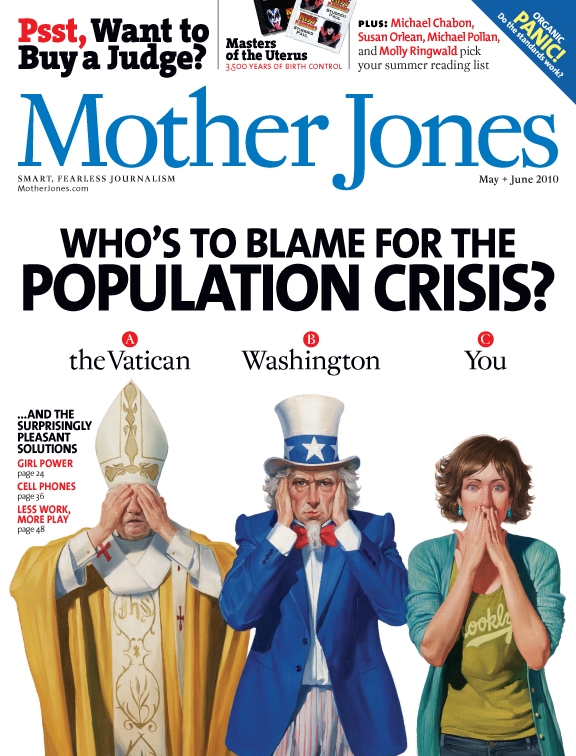
Content and editorial approach
The magazine emphasizes deep-dive investigations, explanatory pieces, and narrative journalism that connect facts, documents, and interviews. Typical content mixes in-depth features, shorter news analyses, investigative exposés, and visual or data-driven stories. Mother Jones has become known for pursuing public-interest topics that are sometimes overlooked by mainstream outlets and for combining reporters’ fieldwork with document analysis and data journalism techniques.
History and name
Mother Jones was founded in the 1970s as an independent publication dedicated to investigative reporting and civic affairs; over time it evolved into a nationally recognized outlet. The magazine’s name honors Mary Harris Jones—commonly called "Mother Jones"—an Irish-born labor organizer and advocate against child labor whose life and activism inspired the publication’s focus on workers’ rights and social justice (Mary Harris Jones). The title reflects a historical connection to labor and reform movements rather than a literal institutional link to any single organization from her era.
Organization and leadership
Mother Jones is published by The Foundation for National Progress, a nonprofit organization that supports the magazine’s editorial mission. The magazine’s leadership has included editors and publishers responsible for shaping its investigative agenda; Clara Jeffery serves as editor-in-chief, and senior executives have included Steve Katz as publisher and Monika Bauerlein in a chief executive role. These leaders oversee editorial strategy, production, fundraising, and partnerships that sustain long-form reporting.
Impact, audience and uses
Readers turn to Mother Jones for investigative scoops, explanatory context on complex topics, and reporting that often aims to hold powerful interests accountable. Its stories are used by academics, policymakers, advocacy organizations, and general readers seeking progressive analysis or original reporting. The magazine’s investigations have at times spurred public debate, legislative attention, or follow-up coverage by other outlets. Mother Jones also participates in multimedia storytelling through podcasts, video, and interactive web features to broaden reach.
Notable characteristics and distinctions
- Editorial stance: broadly progressive and advocacy-minded, while publishing detailed reporting and fact-based investigations.
- Nonprofit publishing model: produced under The Foundation for National Progress to support mission-driven journalism.
- Focus areas: investigative reporting, politics, environmental coverage, civil and human rights issues, and health reporting.
- Format and distribution: a combination of print issues and continuous digital publication, often including multimedia and data-driven work.
- Recognition: known for influential investigative pieces and for winning journalism prizes and citations within the reporting community.
For readers seeking further background on the topics Mother Jones covers, its website and archives provide searchable articles, while the magazine’s editorial statements outline its journalistic standards and mission.
Questions and answers
Q: What is Mother Jones?
A: Mother Jones is an American magazine that covers news, commentary, and investigative reporting on topics such as politics, the environment, human rights, health, and culture.
Q: What are the political views of Mother Jones?
A: The political views of Mother Jones are liberal or progressive.
Q: Who is the editor-in-chief of Mother Jones?
A: Clara Jeffery is the editor-in-chief of Mother Jones.
Q: Who is the publisher of Mother Jones?
A: Steve Katz has been the publisher of Mother Jones since 2010.
Q: Who is the CEO of Mother Jones?
A: Monika Bauerlein has been the CEO of Mother Jones since 2015.
Q: Who publishes Mother Jones?
A: Mother Jones is published by The Foundation for National Progress.
Q: After whom was the magazine named?
A: The magazine was named after Mary Harris Jones, also called Mother Jones, who was an Irish-American trade union activist, socialist advocate, and an opponent of child labor.
Author
AlegsaOnline.com Mother Jones (magazine) Leandro Alegsa
URL: https://en.alegsaonline.com/art/142987