
British Overseas Territories: status, governance and contemporary role
Overview of the fourteen British Overseas Territories: definition, constitutional status, governance, history, examples, and modern political, economic and environmental roles.
Overview
The British Overseas Territories are a group of fourteen jurisdictions that are under the sovereignty of the United Kingdom but are not part of the United Kingdom itself. They are the modern remnants of the British Empire and today range from small inhabited islands to remote Antarctic and subantarctic dependencies. The constitutional arrangement generally leaves internal administration to local institutions while the UK retains responsibility for defence, international relations and certain reserved matters tied to sovereignty.
Image gallery
10 Images


Constitution and governance
Each territory has its own constitution that sets out the balance between local self-government and powers reserved to the UK. Most territories possess a locally elected legislature and executive, and a representative of the Crown — usually titled governor, commissioner or administrator — who exercises reserved functions and acts on behalf of the UK in defined areas. Local parliaments or assemblies carry responsibility for day-to-day lawmaking and services (parliament, government), while the head of government is commonly called a premier or chief minister in several territories (prime minister or equivalent).
- Local lawmaking: local legislatures make most domestic laws and manage budgets, education, health and policing within limits set by constitutional instruments (laws).
- Reserved matters: defence, international representation and aspects of nationality and security typically remain UK responsibilities.
- Intervention: if a territory faces serious governance failure the UK may take measures, including temporary direct rule, to restore effective administration (autonomy).
Historical development
The term "Overseas Territories" replaced older labels such as colonies or Crown colonies as constitutional relationships evolved in the later twentieth century (colonial history). Decolonisation created independent states from many former colonies, while others retained links with the Crown under differing arrangements. Distinct classifications in the imperial period — including protectorates and protected states — signalled different degrees of local autonomy and international personality (protectorates).
Crown dependencies and the Commonwealth
The Crown dependencies — Jersey, Guernsey and the Isle of Man — are possessions of the Crown with a different constitutional relationship and are not classed as Overseas Territories. They exercise substantial legislative independence and the UK cannot normally assume direct governance of a dependency without its consent. The territories and dependencies are separate from the Commonwealth of Nations, a voluntary association of independent states with historic ties to the UK (Crown dependencies).
Examples and distinctive cases
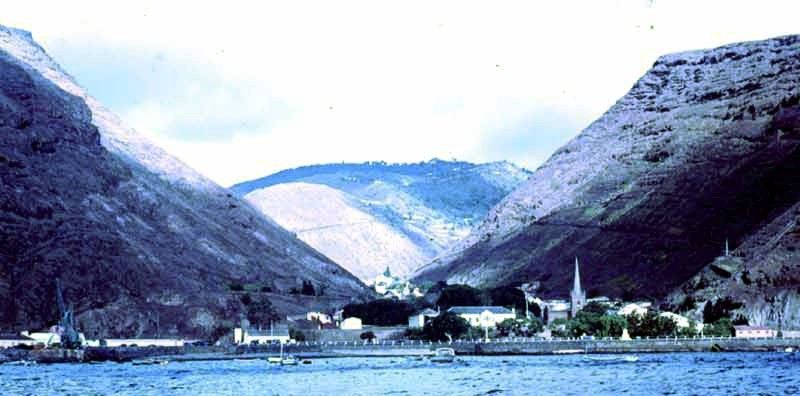
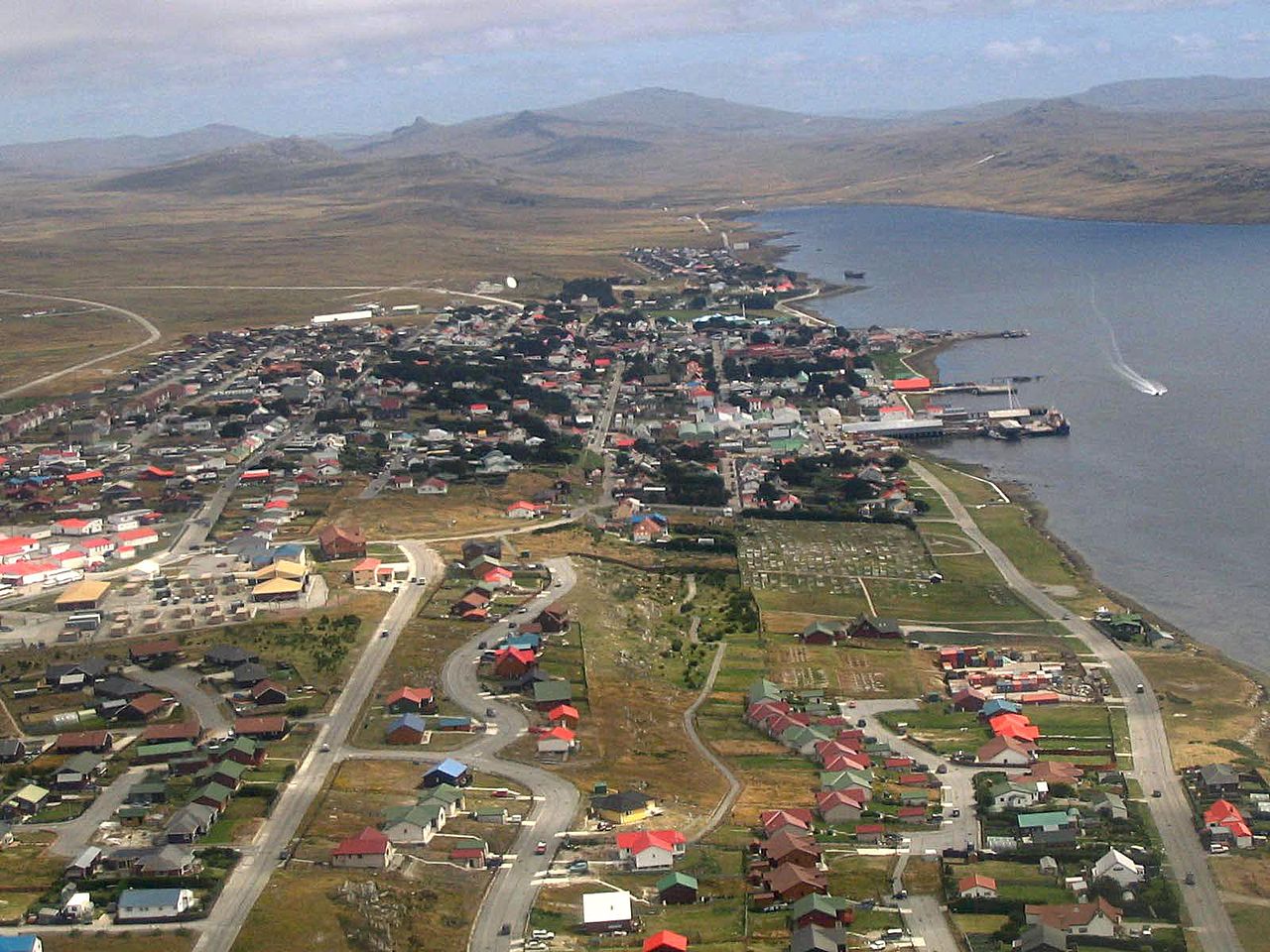
Well-known Overseas Territories include Gibraltar and the Falkland Islands, both of which have strategic and political significance; offshore financial centres such as the Cayman Islands and the British Virgin Islands; and small communities on islands like Saint Helena and the Pitcairn Islands. Some territories are uninhabited and valued for maritime zones, fisheries and scientific research, while others host UK military facilities or base infrastructure. Historical instances of directly administered Crown colonies, such as Hong Kong, illustrate stronger colonial administration, in contrast to self-governing possessions like Bermuda.
Contemporary roles and issues
In the modern era Overseas Territories serve varied economic and strategic functions: tourism, financial services, fisheries, conservation and defence. They also have environmental importance, with many islands containing fragile ecosystems, protected species and research stations. Political debates in several territories concern the appropriate balance of autonomy, the scope of UK support, democratic accountability and potential options such as increased self-government or independence. International disputes over sovereignty occasionally arise, most notably in relation to the Falkland Islands, and are handled at the diplomatic level by the UK acting for the territories.
Legal status and citizenship
Residents of the territories have rights and statuses governed by both local law and UK statute. Nationality arrangements have changed over time; important reforms in the early 2000s extended access to full British citizenship for many inhabitants, while differences between local and UK law persist on some matters. The UK represents the territories in most international organizations and treaty matters but consults with territory governments on issues of direct effect.
Further reading and reference points
- Summaries of the constitutional arrangements and lists of territories are maintained in official descriptions and legal sources (colonial history).
- Analyses of reserved powers, responsibilities of governors, and circumstances for UK intervention offer practical guidance on governance and constitutional safeguards (local government, leaders).
- Discussions of nationality, rights and law are available in studies of statutory changes and judicial decisions (laws, autonomy).
- Case studies of particular territories illuminate themes of strategic importance, environmental conservation and economic specialisation (local parliaments, Bermuda).
- Historical comparisons between colonies, protectorates and dominions shed light on the range of imperial arrangements that gave rise to the present portfolio of territories (protectorates, Hong Kong).
- Context on the Crown dependencies and how they differ from Overseas Territories is set out in constitutional commentaries (Jersey, Guernsey, Isle of Man, Crown dependencies).
- For the international context and modern political associations consult discussions of the Commonwealth and current diplomatic practice (Commonwealth of Nations).
The British Overseas Territories remain diverse in character and aspiration. Their future developments will be shaped by local choices, evolving constitutional relationships with the UK, international law and the practical demands of sustainable development, security and conservation in a changing world.
Questions and answers
Q: What is a British Overseas Territory?
A: A British Overseas Territory is one of fourteen territories under the United Kingdom's sovereignty, but not as part of the United Kingdom itself. Before 1981 they were known as colonies or Crown colonies.
Q: Who looks after defence and foreign affairs in a British Overseas Territory?
A: Defence and foreign affairs are looked after by the British government.
Q: What happens if a British Overseas Territory is ruled badly?
A: The government of the British Overseas Territory can be taken over by the British government and ruled directly by it, without the agreement of the British Overseas Territory.
Q: How do Jersey, Guernsey and Isle of Man differ from other overseas territories?
A: Jersey, Guernsey and Isle of Man have a slightly different constitutional relationship with the United Kingdom than other overseas territories, so they are classed as Crown dependencies rather than Overseas Territories. Unlike British Overseas Territories, the British government cannot take over their governments unless they agree to it.
Q: How does being an overseas territory relate to being part of Commonwealth Nations?
A: Territories and dependencies are distinct from Commonwealth Nations which is a voluntary association of former British colonies. Colonies should also be distinguished from protectorates and protected states which were nominally independent states whereas colonies were part of the UK state. They should not be confused with Dominions which were independent states held to be equal in sovereign status to UK within Empire & Commonwealth after Statute of Westminster in 1931.
Q: How did Crown Colonies such as Hong Kong differ from other colonies?
A: Crown Colonies such as Hong Kong differed from other colonies in that they were administered directly by the Crown without local autonomy found in self-governed colonies or other UK overseas territories such as Bermuda.
Related articles
Author
AlegsaOnline.com British Overseas Territories: status, governance and contemporary role Leandro Alegsa
URL: https://en.alegsaonline.com/art/14284