
Mold, Flintshire
Mold (Welsh: Yr Wyddgrug) is a market and administrative town in Flintshire, northeast Wales. It is known for its historic mound, local services, and nearby Bronze Age finds.
Overview: Mold (Yr Wyddgrug) is a town and community in the county of Flintshire, in northeast Wales. It lies within the preserved county of Clwyd and had a population of 10,058 at the 2011 census. Mold serves as the county town of Flintshire and is a local centre for shopping, services and administration.
Image gallery
10 Images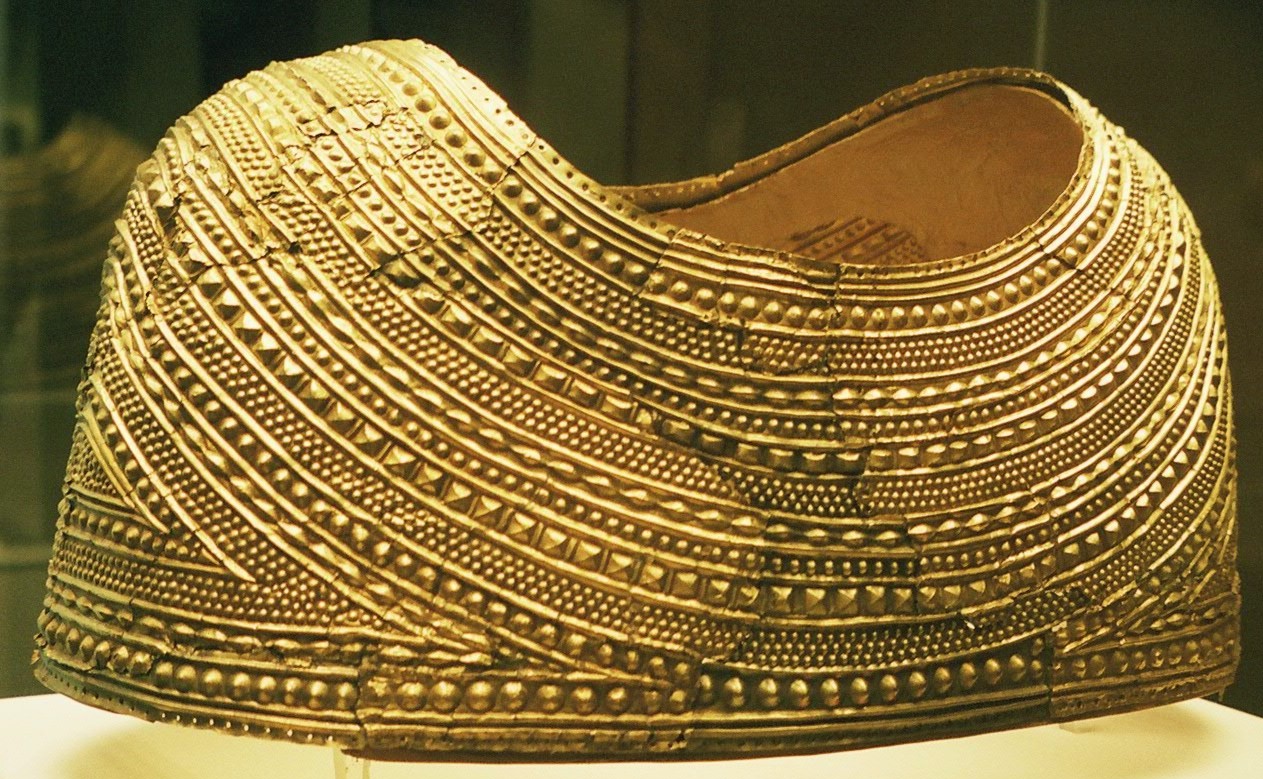




Location and layout
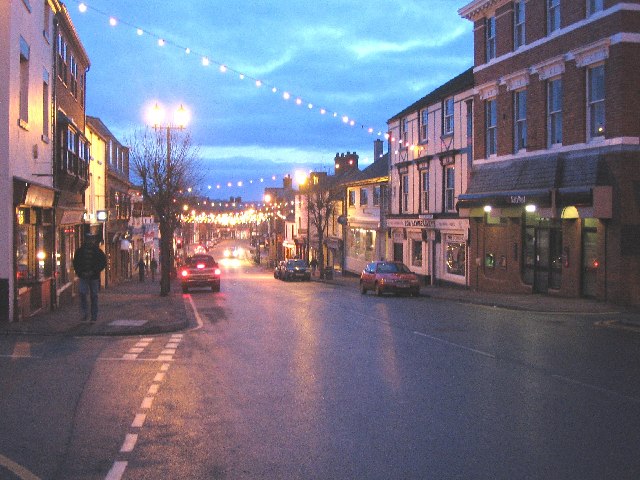
Mold sits on moderate uplands with road links to nearby urban centres: about 14.4 miles (23.2 km) west of Chester and roughly 11.9 miles (19.2 km) north-west of Wrexham. The town developed around a central market area and a prominent earthwork or "mound" that has lent Mold its name. Streets close to the market host independent shops, public services and civic buildings; residential areas extend into surrounding countryside.
History and name
Mold is historically an old settlement, first recorded in surviving documents in the late 13th century. The Welsh name Yr Wyddgrug is commonly interpreted as "the mound of the tomb/sepulchre," reflecting the presence of an important medieval mound or motte near the town centre. Over the centuries Mold has been an administrative focal point: it was made the county town of the larger administrative county of Clwyd during reorganisation from 1974 and returned to administration within Flintshire after the 1996 changes (1996).
Archaeology and notable discoveries
The area around Mold has produced important prehistoric finds that underline its long human presence. Among these is a famous Bronze Age gold object recovered nearby that attracts attention from archaeologists and museums. Such discoveries illustrate the region's archaeological significance and its connections to ancient craft and burial practices.
Economy, culture and role
Today Mold functions as a market town and service hub for the surrounding rural district. It supports retail markets, professional services, cultural events and local schools. Community life combines contemporary amenities with historic character; conservation of the townscape and promotion of local heritage are ongoing concerns for residents and planners.
Distinctions and practical notes
- Mold is the administrative centre of Flintshire and has historic ties to the former county of Clwyd.
- The town is named for its central mound, reflected in the Welsh place name Yr Wyddgrug.
- Important prehistoric artefacts found nearby highlight the area's long human history.
- Not to be confused with the biological term "mold"; this entry refers to the Welsh town.
Mold's blend of administrative importance, market-town functions and archaeological interest make it a notable locality in northeast Wales, linking modern community life with a deep regional past.
Questions and answers
Q: What is the name of the town in Wales?
A: The town in Wales is called Mold.
Q: What county is it located in?
A: Mold is located in Flintshire, a county of Wales, and was also part of the preserved county of Clwyd.
Q: How many people lived there in 2011?
A: In 2011, Mold had a population of 10,058.
Q: How far away from Chester and Wrexham is it by road?
A: By road, Mold is 14.4 miles (23.2 km) west of Chester and 11.9 miles (19.2 km) north-west of Wrexham.
Q: When was it first recorded?
A: Mold was first recorded in 1280.
Q: Was it ever the county town for Clwyd?
A: Yes, Mold was the county town for Clwyd from 1974 to 1996.
Q: What does its Welsh name mean? A: The Welsh name for Mold means "The Mound of the Tomb/Sepulchre".
Author
AlegsaOnline.com Mold, Flintshire Leandro Alegsa
URL: https://en.alegsaonline.com/art/142811