
Mileva Marić — Serbian physicist, early female scientist and partner of Albert Einstein
Mileva Marić (1875–1948) was a Serbian physicist who studied in Zurich, raised Einstein’s children, and is remembered for both her own scientific training and the debated role she played in early 20th‑century physics.
Mileva Marić (1875–1948) was a Serbian physicist and one of the first women in Europe to study physics at a technical university. Trained in the mathematical and physical sciences in Zurich, she pursued advanced study at a time when few women entered those fields. Her life combined academic ambition, family responsibilities, and a long‑standing place in scientific and social history.
Image gallery
5 Images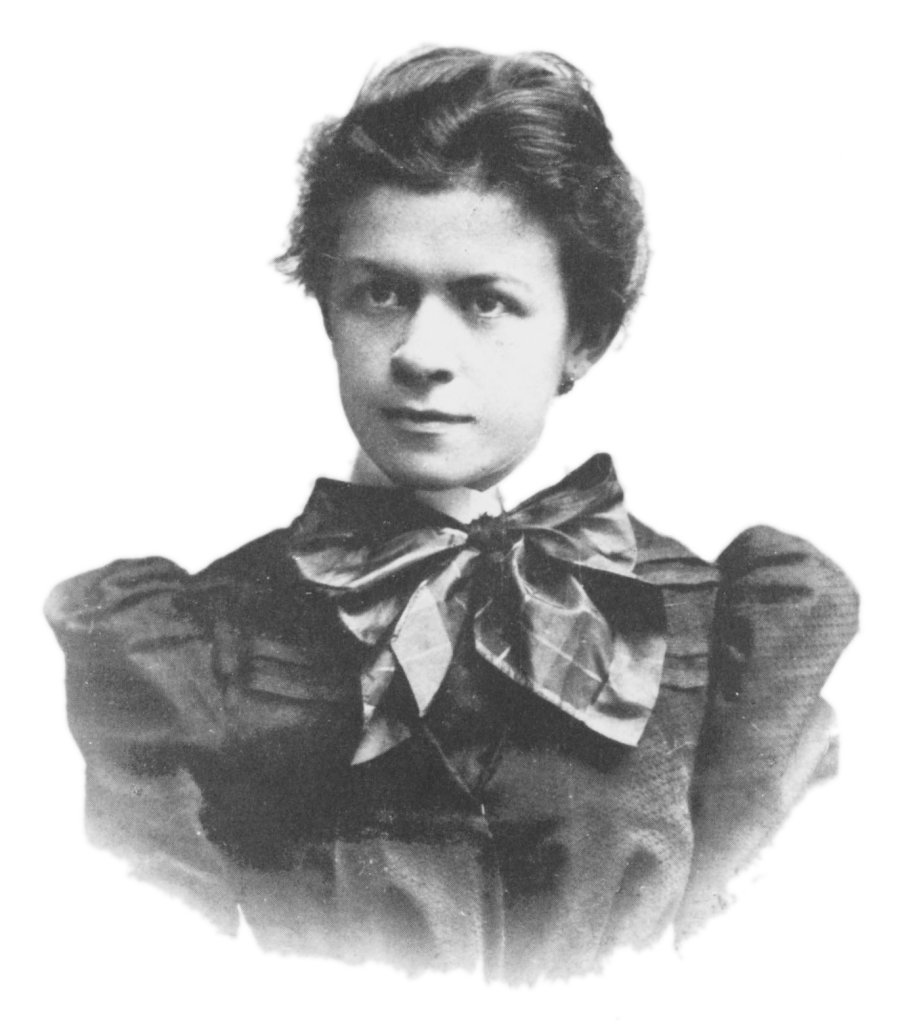


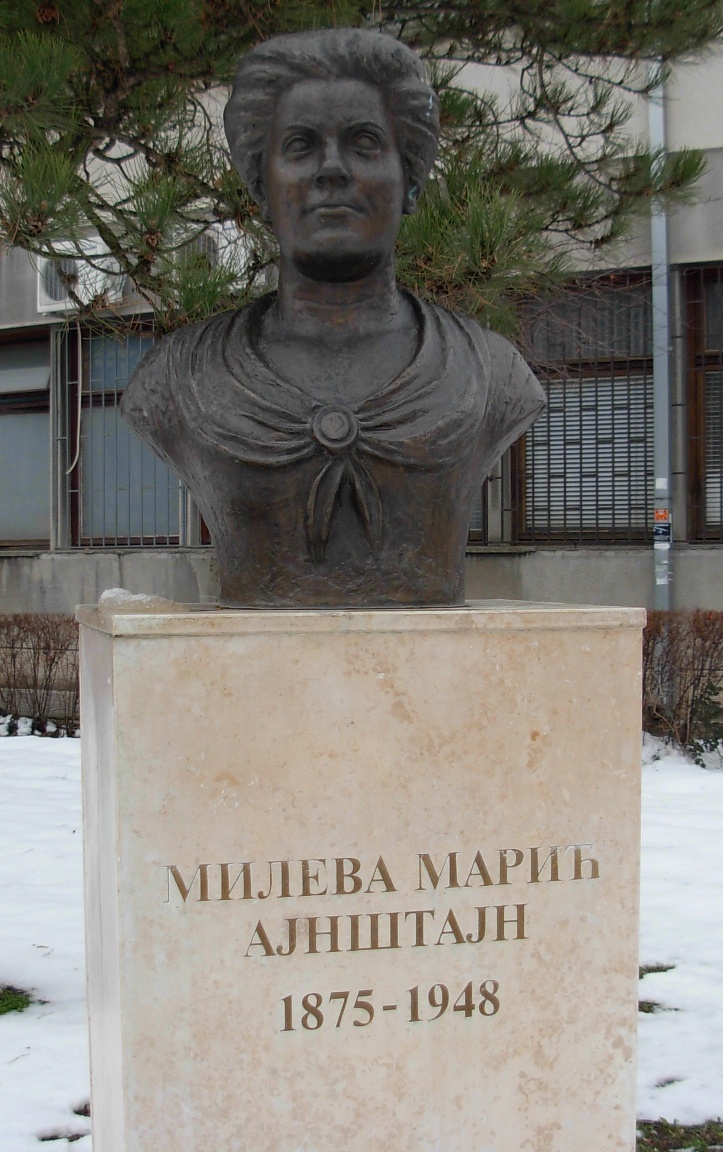
Education and early career
Marić studied physics and mathematics at the Swiss Federal Polytechnic in Zurich, where she took advanced courses in theoretical and experimental physics. Contemporary accounts describe her as having strong mathematical ability and as one of a small number of women enrolled in rigorous technical studies at the turn of the 20th century. She later worked intermittently outside formal research, but documentation of any independent published research by Marić is limited.
Family life and relationship with Einstein
In the early 1900s Marić formed a close personal and intellectual partnership with Albert Einstein. They lived together and later had children, including a daughter often referred to as Lieserl and two sons. The family relationship changed over time: they separated while Einstein pursued an academic career in Germany and Marić returned to Switzerland with their sons. Their marriage ended in divorce in 1919.
Scientific collaboration and historical debate
The extent to which Marić contributed to Einstein’s early work has been the subject of long‑running scholarly discussion. Some have argued she may have participated in problem solving and calculations during their years together; others note a lack of direct documentary evidence attributing co‑authorship. Historians of science generally urge caution: primary sources show personal and intellectual exchange between the two, but there is no consensus that she was a formal co‑author of Einstein’s published papers.
There are a few widely reported facts related to their separation: in the divorce settlement Einstein later promised any future Nobel Prize money to Marić to provide for their sons, an arrangement that historians have documented. The daughter Lieserl’s fate is uncertain in surviving records; accounts suggest she was either given up for adoption or died in infancy, but details remain inconclusive.
Later life, legacy and recognition
After the divorce Marić devoted much of her life to raising her sons, one of whom had serious mental health problems. She lived quietly in Switzerland and did not resume a public scientific career. In the second half of the 20th century she became a symbolic figure in discussions about women in science and the historical attribution of scientific work. Modern biographies and articles reassess her training and role, while also recognizing that definitive evidence for major scientific authorship remains lacking.
Notable facts
- Nationality: Serbian; advanced studies in Zurich.
- One of the first women to study physics at a European technical university.
- Partnered with Albert Einstein during his formative years; their personal and intellectual interactions are well documented in letters and records — see related material on Einstein.
- Divorce settlement included Einstein’s pledge of Nobel Prize money; historians note that Marić received these funds to support their children — see information about the Nobel Prize.
- Her life and work are subjects of ongoing historical interest and debate; for biographical overviews consult specialized sources such as dedicated biographies and archives.
Mileva Marić remains an important historical figure for studies of gender and science, illustrating both the opportunities and limitations faced by women scientists around 1900 and prompting careful reassessment of how collaborative and domestic relationships intersect with scientific achievement.
Questions and answers
Q: Who is Mileva Marić?
A: Mileva Marić is a Serbian physicist and the first wife of Albert Einstein.
Q: Was Mileva Marić one of the first women to study physics?
A: Yes, Mileva Marić was one of the first women to study physics.
Q: How long were Mileva Marić and Albert Einstein married for?
A: Mileva Marić and Albert Einstein were married from 1902 to 1919.
Q: Did Mileva Marić and Albert Einstein have any children together?
A: Yes, they had a daughter named Lieserl, born in 1902, and two sons named Hans-Albert and Eduard.
Q: Did Mileva Marić and Albert Einstein stay together after 1914?
A: No, Marić and Einstein separated in 1914, and Marić took the boys and returned to Zurich from Berlin.
Q: When did Mileva Marić and Einstein divorce?
A: Marić and Einstein divorced in 1919.
Q: What did Albert Einstein do when he won the Nobel Prize in 1921?
A: When he won the Nobel Prize in 1921, Albert Einstein gave the money to Mileva Marić to support their sons, and she could use the interest earned by the prize money.
Author
AlegsaOnline.com Mileva Marić — Serbian physicist, early female scientist and partner of Albert Einstein Leandro Alegsa
URL: https://en.alegsaonline.com/art/142689