
Michael E. DeBakey: Pioneering American Cardiovascular Surgeon
Michael E. DeBakey (1908–2008), a Lebanese-American cardiac and vascular surgeon, transformed modern cardiovascular surgery with innovations in devices, techniques, wartime medical care and surgical education.
Overview
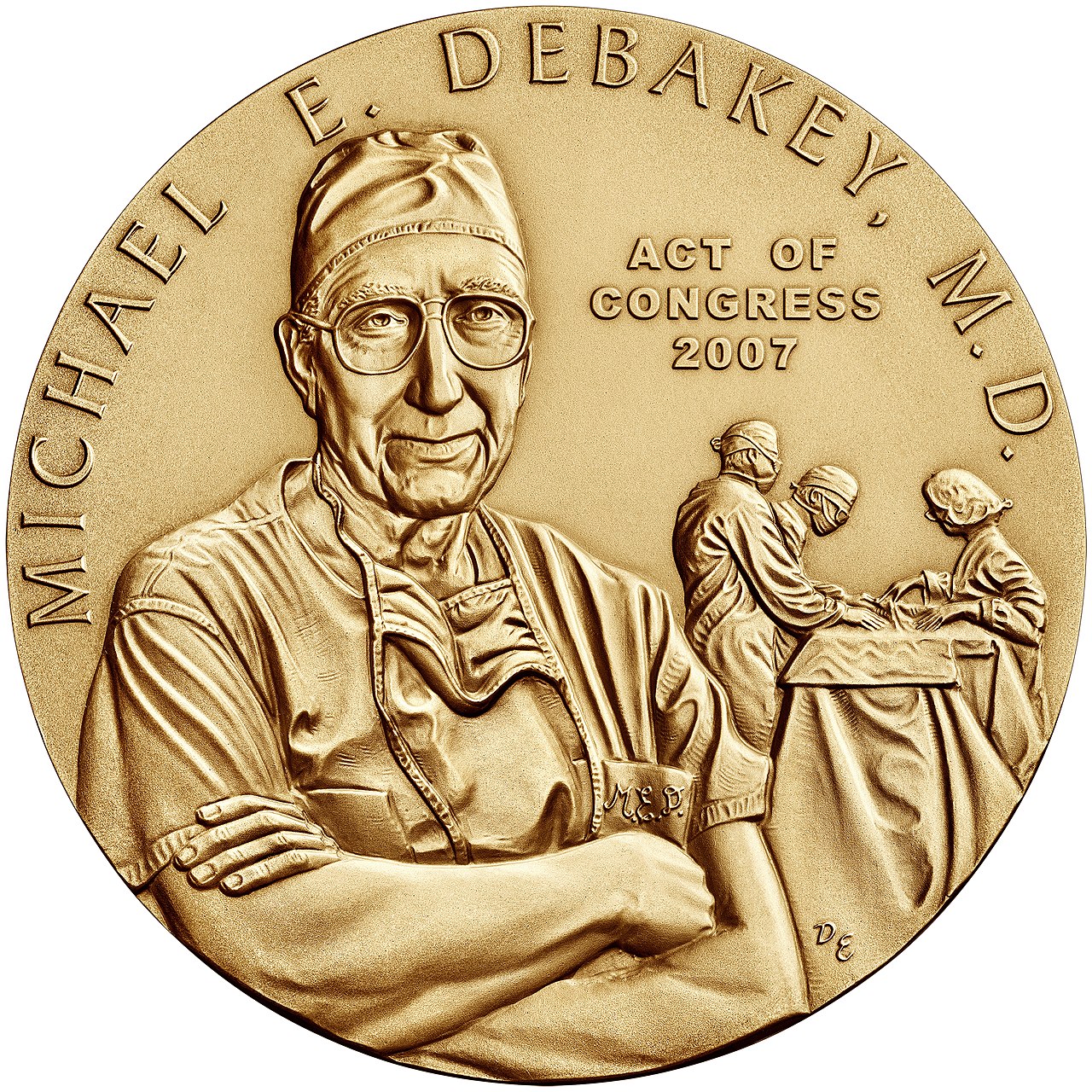
Michael Ellis DeBakey (born Michel Dabaghi; September 7, 1908 – July 11, 2008) was a Lebanese‑American cardiovascular surgeon who played a central role in the development of modern heart and vascular surgery. Over a career that spanned much of the 20th century he combined operative skill, engineering curiosity and organizational leadership to change how complex vascular disease and heart conditions are treated. He trained generations of surgeons and remained active in clinical work and medical advocacy well into advanced age.
Image gallery
7 Images




Early life and education
DeBakey was born in Lake Charles, Louisiana, to parents who had emigrated from what is now Lebanon. He studied medicine at Tulane University, where as a young medical student he built a prototype of a roller pump that would later become a component of cardiopulmonary bypass technology. Early in his career he Anglicized his name to Michael E. DeBakey and took academic posts that allowed him to pursue both clinical practice and surgical research.
Surgical innovations and career
DeBakey introduced and refined many operative techniques and instruments that are still in everyday use. He developed atraumatic vascular instruments (commonly known as DeBakey forceps), promoted techniques for repairing aneurysms and arterial disease, and worked on early mechanical circulatory support concepts. His early roller pump contributed to the capability to divert and maintain blood flow during open‑heart procedures, helping to make more extensive cardiac surgery feasible. He spent most of his professional life at institutions in Houston, where he helped build programs in cardiovascular care and surgical training.
Military medicine and organizational work
During and after World War II DeBakey argued that surgical care should be moved closer to the battlefield to reduce delays in treating severe trauma. That argument influenced the structure of mobile surgical teams and inspired the later adoption of Mobile Army Surgical Hospitals (MASH units) that saw wide use in conflicts such as the Korean War. Beyond wartime innovations, he advocated for systems of trauma care, regionalization of specialized services and systematic surgical training.
Notable collaborations and controversies
DeBakey worked alongside many leading contemporaries in cardiac surgery. One notable professional relationship and later dispute was with fellow surgeon Denton Cooley, centered on the experimental use and implantation of early artificial heart devices. The disagreement over priority and consent in a high‑profile artificial heart case became a long‑standing rift that was publicly reconciled decades later. DeBakey also consulted on high‑profile cases and performed operations on influential figures, including the Russian statesman Boris Yeltsin, among others. The episode involving an implanted mechanical circulatory device has been described in discussions of the artificial heart controversy.
Contributions, examples and legacy
DeBakey's work touched multiple areas of surgery, hospital organization and medical education. His contributions include:
- Creation and refinement of surgical instruments and techniques used in vascular and cardiac operations.
- Early engineering work on pumps and devices that paved the way for cardiopulmonary bypass and mechanical circulatory support.
- Advocacy for rapid, organized trauma care and mobile surgical units in combat and civilian mass‑casualty settings.
- Leadership in building cardiovascular centers and training programs that produced many prominent surgeons.
- Clinical teaching, publications and the development of classification systems for aortic disease that remain influential in clinical decision making.
He continued to practice and teach into his later years, an uncommon commitment that underscored his influence on multiple generations. DeBakey's name is attached to instruments, procedures and eponymous classifications; his approach combined surgical pragmatism with an engineer's interest in devices and systems. He died at age 99 in 2008. Today his legacy is visible in the routine performance of complex aortic repairs, the widespread use of cardiopulmonary support during cardiac procedures, and the organized models of trauma and surgical care that save lives globally.
Further reading and resources
Readers seeking more detail on DeBakey's life, published surgical work and institutional programs can consult biographies, archival collections and institutional histories that cover the rise of cardiovascular surgery in the 20th century. For introductions to related topics, see entries on cardiac surgery, vascular surgery, cardiopulmonary bypass and the history of wartime medical evacuation and field hospitals.
Professional biography and overview (surgeon) | Detailed medical career summary
Questions and answers
Q: What was Michael Ellis DeBakey's profession?
A: Michael Ellis DeBakey was a heart surgeon.
Q: Where was he born?
A: He was born in Lake Charles, Louisiana.
Q: What did he do during World War II?
A: During World War II, DeBakey made wartime medicine much better than it used to be and advocated for having doctors closer to the areas of battle in war, which worked very well and due to that, more badly hurt soldiers survived.
Q: What invention did he make at age 23 while still at Tulane University?
A: At age 23 while still at Tulane University, DeBakey made the roller pump which would later on make open-heart surgery able to be done as roller pumps can make blood flow during surgery.
Q: Who did he have a disagreement with related to the first artificial heart put in a human?
A: He had a disagreement with another important heart surgeon Denton Cooley related to the first artificial heart put in a human.
Q: Did he practice medicine into old age?
A: Yes, DeBakey did something rare by still practicing medicine in old age. People that he operated on included world leaders such as Russian President Boris Yeltsin.
Q: How did Michael Ellis DeBakey die?
A:Michael Ellis DeBakey died of natural causes at age 99 on July 11th 2008
Author
AlegsaOnline.com Michael E. DeBakey: Pioneering American Cardiovascular Surgeon Leandro Alegsa
URL: https://en.alegsaonline.com/art/142620