
Mende, Lozère: prefecture and historic town in southern France
Mende is the prefecture of Lozère in Occitanie, France. A small administrative and cultural centre with medieval heritage, a notable cathedral, and a role as service hub for the sparsely populated department.
Overview
Mende is a commune and the administrative prefecture of the department of Lozère, located within the Occitanie region of southern France. It serves as the capital of the arrondissement that bears its name. The town is the principal service, administrative and market centre for the largely rural department. Its inhabitants are commonly called Mendois (women: Mendoises).
Image gallery
10 Images




Geography and character
Mende sits on elevated terrain of the Massif Central and is surrounded by rolling hills, farmland and mountain plateaus. The town's setting yields a climate with marked seasonal contrasts and makes it a practical base for exploring nearby natural areas, including sections of the Cévennes and other protected landscapes. Its streets combine a compact historic core with more modern administrative quarters.
History and development
Mende developed around an episcopal seat in the Middle Ages and retains traces of that past in its street plan and monuments. Over centuries the town evolved as a regional center for governance, justice and religious life. Like many historic French towns it has undergone phases of rebuilding while preserving key medieval and early modern features.
Landmarks and notable sites
Key attractions in and around Mende include:
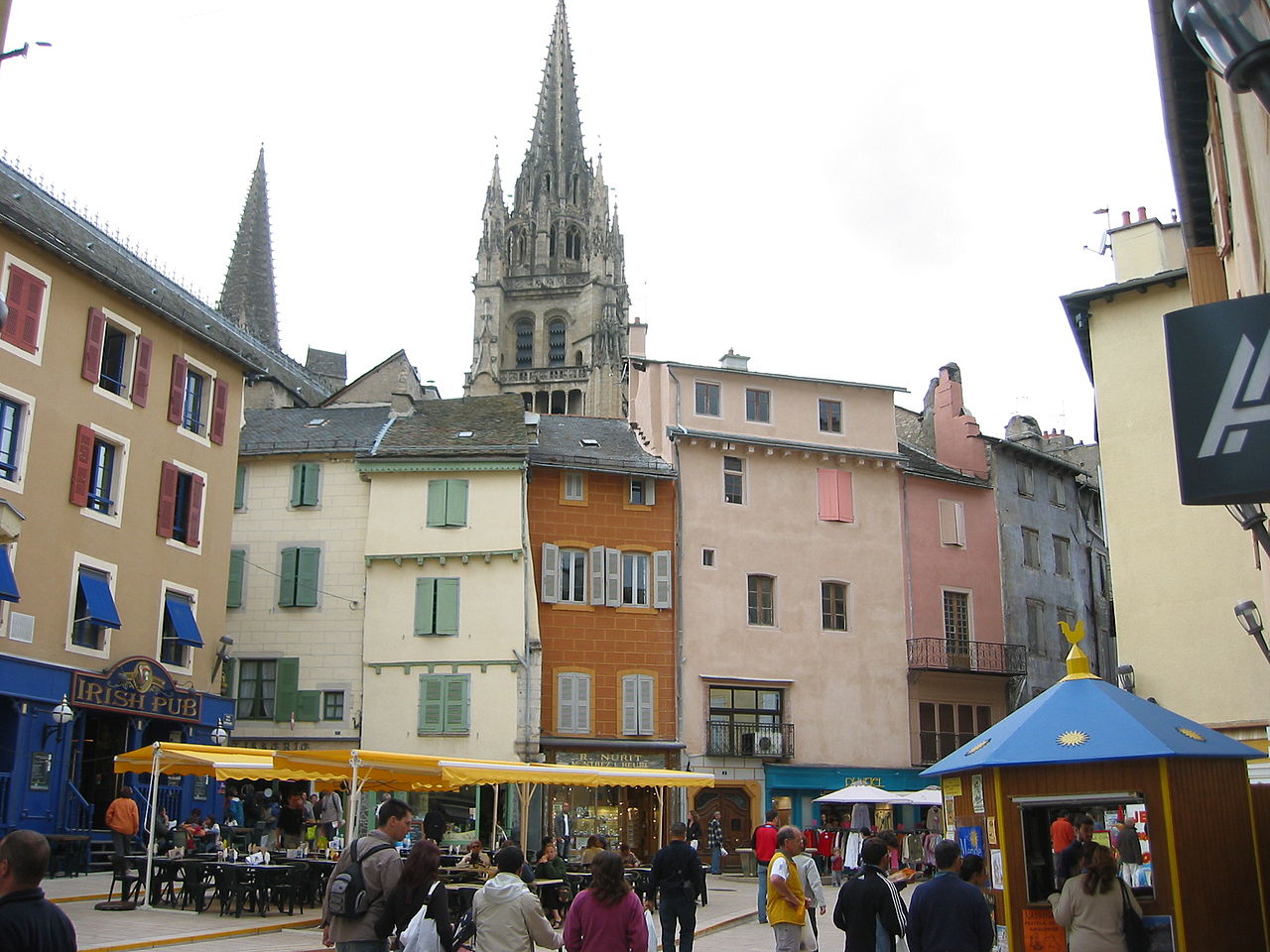
- The cathedral complex, standing as a focal point of the old town and reflecting the town's ecclesiastical history.
- Historic lanes, town squares and remnants of fortified works that illustrate medieval urban life.
- Local museums and civic buildings that document regional traditions and rural life in Lozère.
Administration, economy and transport
As a prefectural town, Mende houses the principal departmental services and courts. The local economy combines public administration, local commerce, health and education services, small industry and tourism. Mende functions as a hub for surrounding villages and communes and is connected by regional roads to other parts of Occitanie.
Culture and identity
Mende retains a strong local identity shaped by Occitan cultural influences and rural traditions. Markets, seasonal events and outdoor recreation are important to community life. The town is also notable for being one of the smaller prefectural seats in France, a fact that highlights the distinctive administrative geography of Lozère and the wider Massif Central.
Questions and answers
Q: What is Mende?
A: Mende is a commune and prefecture of the department of Lozère, part of the Occitanie region. It is also the capital of the arrondissement of Mende.
Q: Where is it located?
A: Mende is located in the Occitanie region in France.
Q: Who are the inhabitants of this city?
A: The inhabitants of this city are known, in French, as Mendois (women: Mendoises).
Q: What department does it belong to?
A: Mende belongs to the department of Lozère.
Q: What type of government does it have?
A: Mende has a commune and prefecture form of government.
Q: What is its capital?
A: The capital of Mende is the arrondissement of Mende.
Q: Is there a gender-specific term for its inhabitants?
A: Yes, male inhabitants are referred to as "Mendois" while female inhabitants are referred to as "Mendoises".
Author
AlegsaOnline.com Mende, Lozère: prefecture and historic town in southern France Leandro Alegsa
URL: https://en.alegsaonline.com/art/142546