
Mary Toft and the 1726 'Rabbit Birth' Hoax
Mary Toft was an English woman whose 1726 claims to have given birth to rabbits exposed medical credulity, became a national scandal, and remains a classic case in the history of medicine.
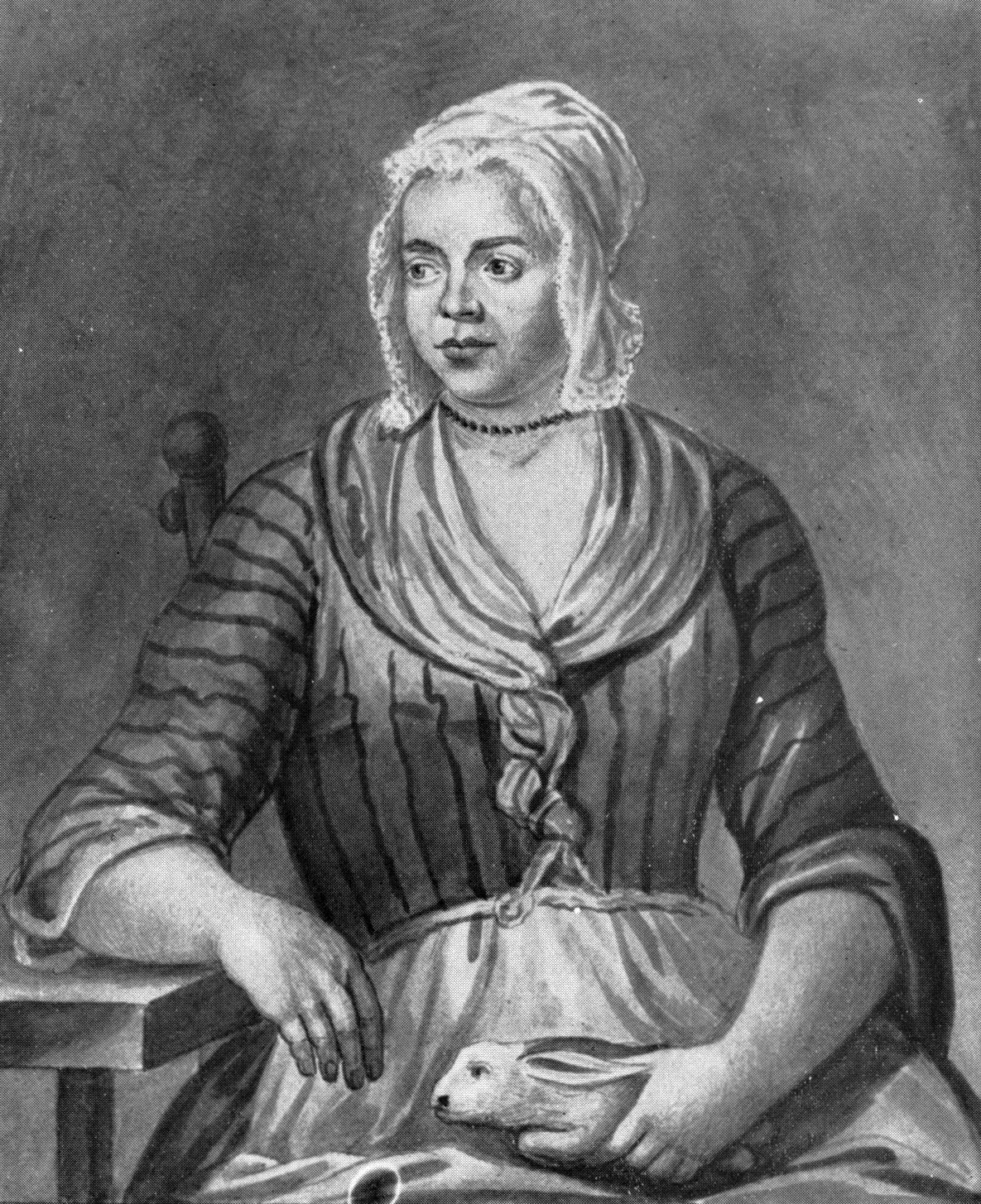
Mary Toft (born Mary Denyer, c.1701–1763) was an English woman from Godalming in Surrey who became the centre of a notorious medical scandal in 1726. For a period she persuaded several practitioners that she had given birth to parts of animals, most famously rabbits. The episode drew attention across Britain, involved royal medical officers, and became a lasting example of how social expectations, limited medical knowledge, and public curiosity could combine to produce a sensational hoax.
Image gallery
8 Images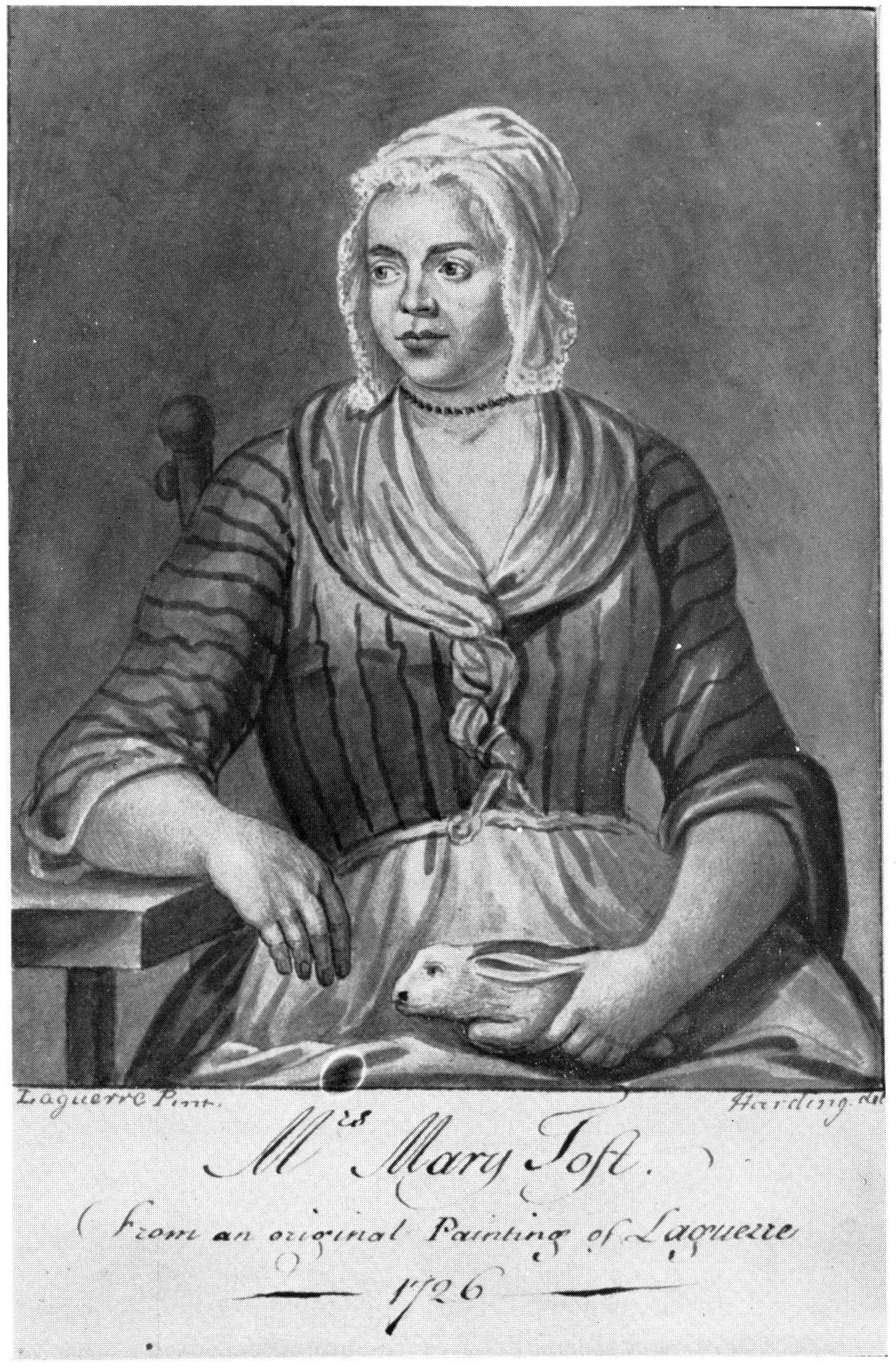




What happened
In 1726 Toft — who had been pregnant but suffered a loss — began to claim that she was delivering animal matter. Contemporary accounts note a prior miscarriage and a strong interest she had shown in a rabbit she had handled at work; though such details were widely reported, motivations remain uncertain. Local medical practitioners were called and reported seeing animal tissues and parts. A provincial surgeon, who initially attended her, communicated the case to more prominent physicians, and the story quickly reached the capital. Observers described physical fragments that doctors interpreted as evidence of an extraordinary event involving rabbits and other small creatures.
Examinations, confession and punishment
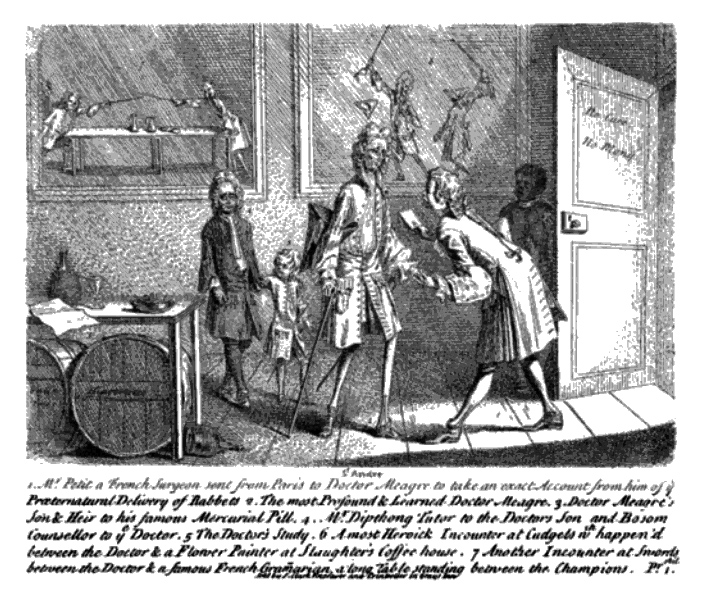
The affair drew the attention of royal medical personnel. Nathaniel St. André, a surgeon attached to the royal household, examined Toft and supported the claim. The king also despatched another surgeon, who remained skeptical. As the case grew in notoriety she was taken to London for further scrutiny. Under closer observation she produced no additional animal material; after prolonged attention she acknowledged fabricating the births and confessed the deception. She was detained and briefly sent to prison as a supposed instance of fraud, though reports indicate she was eventually released and returned home.
Consequences and public reaction
The emotional aftermath was considerable. The episode damaged public confidence in parts of the medical establishment: careers of several practitioners were harmed or ended in disgrace, and the incident became a popular target for satire and criticism. Pamphlets and satires proliferated, lampooning those who had accepted the claim, and artists and caricaturists — most famously William Hogarth — used the case to ridicule medical gullibility. Printed tracts and broadsides capitalised on the spectacle, turning the case into a cultural phenomenon that extended beyond medical circles; contemporary commentators produced numerous pamphlets and essays dissecting the affair.
Context and interpretations
Historians place the Toft case within broader currents of early 18th‑century medicine: a time when anatomical knowledge was expanding but diagnostic techniques were limited, and when curiosity about prodigies and marvels was high. Social pressures around childbirth, female reputation, and economic need may have shaped the events, though precise motives are speculative. The readiness of some observers to accept improbable claims illustrates how medical authority could be both powerful and fallible. The scandal also revealed divisions among practitioners — some of whom staunchly defended the extraordinary claims while others remained sceptical — and had immediate consequences for the reputations of leading surgeons and physicians.
Why the case matters
- It remains a classic study in medical error, mass credulity and the social history of early modern medicine.
- The episode affected the standing of individual clinicians and contributed to public debate about professional competence and oversight, damaging several surgeons' careers.
- The proliferation of printed attacks and parodies, including numerous pamphlets, shows how such events entered popular culture and printed media.
Key facts and figures are summarized in contemporary sources and later histories, and the case is frequently cited by historians as an instructive example of how social, medical and cultural forces can create and sustain a hoax. For further reading on place, people and primary reports see local histories of Godalming, county accounts of Surrey, and specialized studies of 18th‑century medical scandals and the royal household surgeons.
Chronology (brief):
- Pregnancy and reported miscarriage; early claims of anomalous delivery of animal parts (miscarriage).
- Local doctor reports and dissemination to prominent practitioners; accounts of rabbit material (rabbits).
- Royal attention and examination by court surgeons in London, including supporters and sceptics.
- Failure to reproduce the phenomenon under observation, subsequent confession and brief imprisonment (prison), accused of fraud.
The Mary Toft affair remains a cautionary tale about the limits of medical knowledge, the dynamics of public spectacle, and the power of print culture to amplify scandal. It also highlights how single events can reshape perceptions of professional authority and invite sustained cultural commentary.
Questions and answers
Q: Who was Mary Toft?
A: Mary Toft (née Denyer) was an English woman from Godalming, Surrey who became famous in 1726 for tricking doctors into believing that she had given birth to rabbits.
Q: What happened when local surgeon John Howard was called to examine her?
A: When local surgeon John Howard was called to examine her, he delivered several animal parts and told other important doctors about the event.
Q: Who did King George I of Great Britain send to investigate the situation?
A: King George I of Great Britain sent surgeon Cyriacus Ahlers to investigate the situation.
Q: How did the public react when they found out that the doctors had been fooled by Mary Toft?
A: The public reacted with panic in the medical profession and several important surgeons' careers were ruined. Pamphlets were published which made fun of the doctors, and William Hogarth was very critical of the profession.
Q: What happened after Mary Toft confessed to hoaxing everyone?
A: After Mary Toft confessed to hoaxing everyone, she was sent to prison as a fraud but eventually released without charge and returned home.
Q: What interest did Mary Toft have prior to claiming she gave birth to rabbits?
A: Prior to claiming she gave birth to rabbits, Mary Toft had developed a strong interest in a rabbit she had seen while working.
Author
AlegsaOnline.com Mary Toft and the 1726 'Rabbit Birth' Hoax Leandro Alegsa
URL: https://en.alegsaonline.com/art/142351