
Maria Teresa Felicitas d'Este, Duchess of Penthièvre
Princess of Modena who became Duchess of Penthièvre; ancestor of the Orléans and Bourbon branches and grandmother of King Louis-Philippe I of France.
Overview
Maria Teresa Felicitas d'Este (French: Marie Thérèse Félicité; 6 October 1726 – 30 April 1754) was born into the ducal family of Modena and, through marriage, became Duchess of Penthièvre in the French royal sphere. Though her life was brief, she linked Italian and French high nobility in the mid-18th century and is remembered chiefly for her role in the ancestry of later French ruling houses.
Image gallery
8 Images


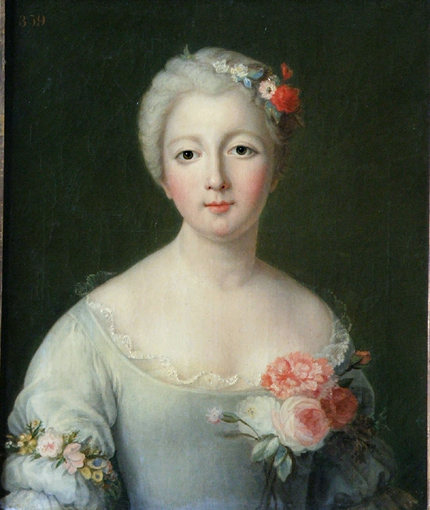
Origins and family background
As a princess of Modena, Maria Teresa belonged to the House of Este, a dynastic family long established in northern Italy. Her upbringing would have followed the conservative, courtly traditions of Italian principalities of the period, combining dynastic education with religious observance. The title and status she carried made her a suitable bride in the pattern of transalpine alliances that strengthened ties between Italian courts and the Bourbon monarchy of France. See also the general context of Modena princely dynasties: Princess of Modena.
Marriage, role at court, and children
Maria Teresa married Louis Jean Marie de Bourbon, the Duke of Penthièvre, one of the wealthiest and most prominent members of the French high nobility. The Penthièvre household was influential at the Ancien Régime court, and its members maintained close ties with the royal family. Maria Teresa bore several children, among whom was Louise Marie Adélaïde, who later married the Duke of Orléans. Through this marriage Maria Teresa became the mother-in-law of the revolutionary figure known as Philippe Égalité, and her descendants included the future king Louis Philippe I.
Death and legacy
Maria Teresa died in 1754 at a young age. Contemporary records emphasize the importance of her matrimonial link more than any long political career, given her early death. Her primary historical significance derives from her position in genealogies that connected the House of Este with key branches of the French royal family: through her children and grandchildren she contributed to the complex web of dynastic claims and alliances that shaped late 18th- and 19th-century French history.
Notable distinctions
- Italian-born princess integrated into French high nobility.
- Consort of one of France's wealthiest dukes under the Ancien Régime.
- Ancestor of the Orléans line and grandmother to a later French monarch.
For further reading on the Penthièvre family, the House of Este, and their role in European dynastic politics, consult specialized histories of Italian and French courts in the 18th century.
Questions and answers
Q: Who was Maria Teresa Felicitas d'Este?
A: Maria Teresa Felicitas d'Este was a Princess of Modena and the Duchess of Penthièvre through marriage.
Q: When was Maria Teresa Felicitas d'Este born?
A: Maria Teresa Felicitas d'Este was born on 6 October 1726.
Q: What was Maria Teresa Felicitas d'Este's French name?
A: Maria Teresa Felicitas d'Este's French name was Marie Thérèse Félicité.
Q: Who was Maria Teresa Felicitas d'Este's daughter-in-law?
A: Maria Teresa Felicitas d'Este's daughter-in-law was Philippe Égalité.
Q: Who was the future Louis Philippe I to Maria Teresa Felicitas d'Este?
A: The future Louis Philippe I was the grandson of Maria Teresa Felicitas d'Este.
Q: When did Maria Teresa Felicitas d'Este die?
A: Maria Teresa Felicitas d'Este died on 30 April 1754.
Q: What was the relationship between Maria Teresa Felicitas d'Este and Philippe Égalité?
A: Maria Teresa Felicitas d'Este was the mother-in-law of Philippe Égalité.
Author
AlegsaOnline.com Maria Teresa Felicitas d'Este, Duchess of Penthièvre Leandro Alegsa
URL: https://en.alegsaonline.com/art/142198