
Margarita Mamun: Russian Olympic Champion in Rhythmic Gymnastics
Comprehensive overview of Margarita Mamun, her background, career highlights, style, major medals, documentary appearance and retirement as an Olympic rhythmic gymnastics champion.
Margarita "Rita" Mamun (born 1 November 1995) is a retired rhythmic gymnast who competed internationally for Russia and won the individual all-around gold medal at the 2016 Rio de Janeiro Olympic Games. Born in Moscow to a Bangladeshi father and a Russian mother who was herself a rhythmic gymnast, Mamun rose through junior ranks to become one of the most decorated individual competitors of her generation. Her career combined technical precision, expressive performance, and frequent podium finishes at World and European Championships, culminating in Olympic gold and a high-profile appearance in the documentary film Over the Limit.
Image gallery
7 Images
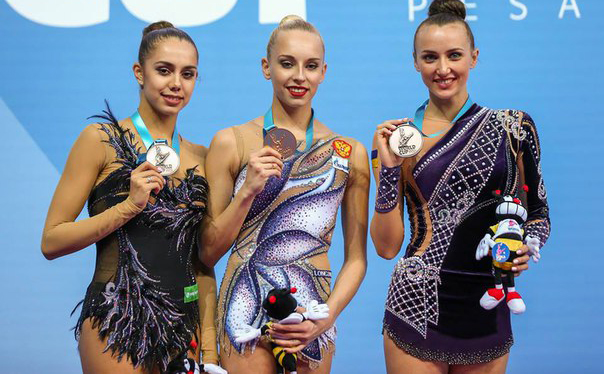


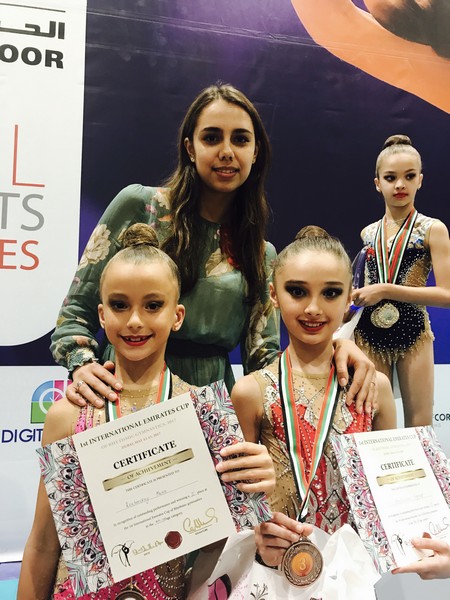
Early life and background
Mamun's multicultural family background and early exposure to gymnastics shaped her development. She began formal rhythmic gymnastics training at about seven years old under the guidance of coaches in Moscow and later trained within the centralized Russian system. For a short period as a junior athlete she represented Bangladesh, after which she competed for Russia as a senior. Her mother’s knowledge of the sport and the strong infrastructure of Russian rhythmic gymnastics contributed to her rapid progress through junior and then senior levels.
Athletic career and major results
Mamun became a senior international competitor in 2011 and quickly established herself on the World Cup and Grand Prix circuits by winning apparatus finals and placing in all-around competitions. Across her career she collected numerous medals at World Championships, European Championships, World Cups, the European Games and other major international events. The peak of her competitive years ran from about 2013 to 2016, during which she consistently ranked among the world’s top rhythmic gymnasts.
- 2011–2012: Early senior breakthrough with World Cup medals and strong Grand Prix showings; did not participate in the 2012 London Olympics.
- 2013: A dominant season that included Grand Prix victories, team gold at the European Championships, all-around gold at the Summer Universiade and multiple World Championship apparatus medals.
- 2014–2015: Continued success with World Championship all-around silver (2014 and 2015), multiple apparatus titles, and honors such as the Longines Prize for Elegance.
- 2016: Won European and World Cup medals, set competition records on the World Cup circuit, and achieved Olympic all-around gold at the Rio Games.
Style, technique and competitive strengths
Mamun was noted for a combination of flexibility, clean apparatus handling and expressive dance elements. Her routines often emphasized smooth transitions between technical elements and theatrical expression, which made her performances appealing to both judges and audiences. Coaches and commentators frequently cited her precision with handheld apparatus — hoop, ball, clubs and ribbon — and an ability to execute difficult body difficulties while maintaining musical interpretation. These qualities contributed to her receiving both high technical scores and recognition for elegance.
Honors, film and public profile
Beyond medals, Mamun received awards and public visibility uncommon for rhythmic gymnasts. She earned multiple World Championship medals (including golds in apparatus finals and team competition) and the top prize at the 2016 Olympic Games, where her all-around victory was widely covered in the media. Her career and the emotional pressures of elite competition were the subject of the documentary Over the Limit, which followed her preparations for the Olympics and drew attention to the demands faced by elite rhythmic gymnasts. She also received distinctions for artistry and presentation, including the Longines Prize for Elegance, which recognizes excellence in style and performance.
Later life, retirement and legacy
Shortly after winning Olympic gold in 2016, Mamun experienced a personal tragedy when her father passed away. She later became engaged and married Alexandr Sukhorukov. In late 2017 her retirement from competitive gymnastics was announced, marking the end of a high-profile career. Her legacy is reflected in the combination of competitive success, stylistic influence, and public recognition that she brought to rhythmic gymnastics during the 2010s. As a prominent member of the Russian contingent during a period of national dominance in the sport, Mamun is remembered for technical excellence, polished presentation and the Olympic title that crowned her career.
Selected achievements and notable facts
- Olympic Games: Individual all-around gold medalist (2016).
- World Championships: Multiple medals across apparatus finals and team events, including all-around podium finishes.
- European Championships and European Games: Team and individual medals spanning several seasons.
- Documentary subject: Featured in Over the Limit, which documented the pressures of elite Olympic preparation.
- Background: Born in Moscow to a Bangladeshi father and a Russian mother; briefly represented Bangladesh as a junior and later represented Russia internationally.
For readers seeking further context about rhythmic gymnastics as a discipline, its scoring and major events, see general resources on rhythmic gymnastics and historical summaries of the Olympic competitions. Biographical and competition databases, contemporary news coverage, and official event reports provide detailed accounts of Mamun’s routines, scores and placements across seasons.
Her career remains a useful case study in how national training systems, individual talent, and media exposure intersect in modern Olympic sport. Mamun's achievements continue to be cited when discussing the sport’s evolution in difficulty, artistry and its global profile during the 2010s.
Questions and answers
Q: When was Margarita Mamun born?
A: Margarita Mamun was born on November 1, 1995 in Moscow, Russia.
Q: What is the name of the documentary film she starred in?
A: The documentary film that Margarita Mamun starred in is called "Over the Limit."
Q: What country did she represent as a junior gymnast?
A: As a junior gymnast, Margarita Mamun represented Bangladesh.
Q: In which year did she become a senior gymnast?
A: Margarita Mamun became a senior gymnast in 2011.
Q: At which event did she win an all-around gold medal and set an Olympic record for scoring the highest number of points ever at an Olympic Games?
A: Margarita Mamun won an all-around gold medal and set an Olympic record for scoring the highest number of points ever at an Olympic Games at the 2016 Rio Olympics.
Q: How many World Championships medals has she won?
A: Margarita Mamun has won fourteen World Championships medals, including two all-around silver medals in 2014 and 2015.
Q: When did she retire from rhythmic gymnastics?
A:Margarita Mamun retired from rhythmic gymnastics on November 4, 2017.
Author
AlegsaOnline.com Margarita Mamun: Russian Olympic Champion in Rhythmic Gymnastics Leandro Alegsa
URL: https://en.alegsaonline.com/art/142184