
Bristoe Campaign (October–November 1863)
Series of maneuvers and small battles in northern Virginia in Oct–Nov 1863 in which Meade and Lee maneuvered; notable actions include Bristoe Station and cavalry clashes that shaped later Mine Run operations.
Overview
The Bristoe Campaign was a compact sequence of military operations in northern Virginia during October and November 1863, within the larger conflict of the American Civil War. Maj. Gen. George G. Meade, commanding the Union Army of the Potomac, tried to apply pressure on Gen. Robert E. Lee's Army of Northern Virginia. Lee countered with a cautious turning movement intended to outflank and interpose his forces between Meade and Washington, D.C. Unable or unwilling to accept a general engagement on terrain he did not select, Meade executed measured withdrawals while contesting Confederate advances with infantry and active cavalry forces.
Image gallery
2 Images
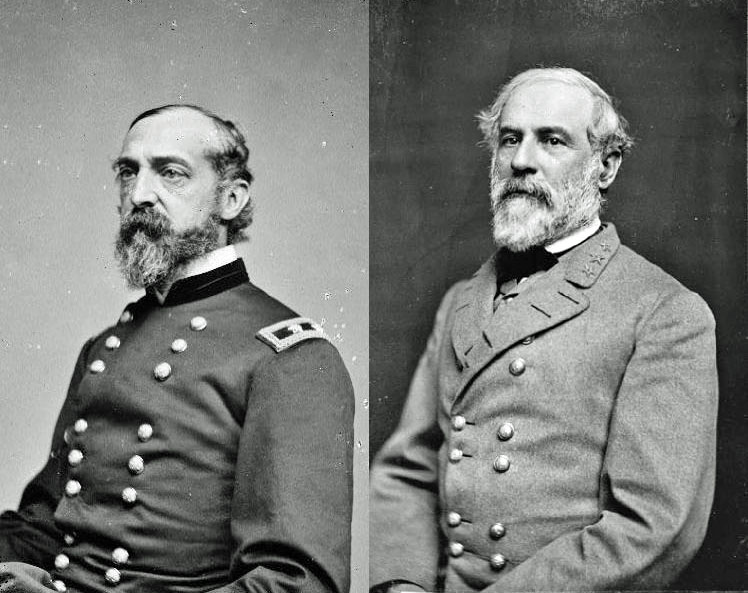
Chronology and major actions
The campaign unfolded over several weeks of probing, marches and rear‑guard actions rather than a single decisive battle. Early contacts and reconnaissance in mid‑October produced sharp local fighting as both sides sought information and advantage. The most prominent encounter, the action at Bristoe Station (mid‑October), saw Confederate attacks repulsed when Union troops occupied a favorable defensive position along a railroad embankment.
- Probing movements and skirmishes tested flanks and supply lines.
- Cavalry engagements, including a notable running action often referred to as Buckland Mills or the "Buckland Races," shaped pursuit and delayed operations.
- The campaign concluded as both armies moved toward positions that would lead into the Mine Run operations in late November.
Commanders, troops and tactics
On the Union side Meade directed operations of the Army of the Potomac, employing corps‑level maneuvers and relying on cavalry for screening and reconnaissance. Confederate forces under Lee used interior lines and local counterattacks to try to turn the Union right and sever communications. Cavalry played a central role: Confederate cavalry under Maj. Gen. J.E.B. Stuart and Union cavalry brigades, including those led by officers such as Brig. Gen. Judson Kilpatrick, conducted raids, screens and pursuits that affected the tempo of the campaign.
Outcome and significance
Strategically the Bristoe Campaign was indecisive. Lee failed to cut the Army of the Potomac off from Washington, and Meade avoided a pitched battle on unfavorable ground. Tactically, the fighting produced local Confederate setbacks and exposed the importance of timely reconnaissance, secure lines of communication and competent use of terrain. The campaign depleted men and materiel in units on both sides and influenced the dispositions and plans that shaped the subsequent Mine Run operations.
Legacy and study
Historians study the Bristoe Campaign as an example of mid‑war operational maneuvering where movement, cavalry action and logistics mattered as much as single engagements. Battlefield preservation efforts and regimental studies provide detail on unit actions and terrain. For maps, orders of battle and primary accounts, consult contemporary studies and compiled resources.
Further resources
- Campaign overview and timeline
- Battle summaries and after‑action reports
- Geography and Virginia theater context
- Civil War general background
- Command structures and biographies
- Union Army of the Potomac resources
- Orders of battle for corps and divisions
- Robert E. Lee and Confederate leadership
- Army of Northern Virginia studies
- Tactical turning movements explained
- Terrain and battlefield selection
- Withdrawal and rear‑guard operations
Questions and answers
Q: What was the Bristoe Campaign?
A: The Bristoe Campaign was a series of minor battles fought in Virginia during October and November 1863, in the American Civil War.
Q: Who commanded the Union Army of the Potomac?
A: Major general George G. Meade commanded the Union Army of the Potomac.
Q: Who led the Confederate forces?
A: General Robert E. Lee led the Confederate forces, known as the Army of Northern Virginia.
Q: What did General Meade attempt to do?
A: General Meade attempted to defeat General Lee's army but was unsuccessful.
Q: How did Lee respond to Meade's attack?
A: Lee countered with a turning movement, which forced Meade to withdraw his army back towards Centreville.
Q: Why did Meade withdraw his army back towards Centreville? A: Meade withdrew his army back towards Centreville in order to keep Lee from getting between his Union forces in Virginia and Washington, DC.
Related articles
Author
AlegsaOnline.com Bristoe Campaign (October–November 1863) Leandro Alegsa
URL: https://en.alegsaonline.com/art/14196
Sources
- civil-war-battles.findthedata.com : "Battles of the Bristoe Campaign"
- nps.gov : "Bristoe Station"
- fauquiercivilwar.com : "Fauquier County in the Civil War"
- militaryhistory.about.com : "American Civil War: Bristoe Campaign"
- essentialcivilwarcurriculum.com : "The Bristoe Station Campaign"
- civilwar.org : "Bristoe Station"
- rappnews.com : "150 Years Ago This Week: Engagement at Bristoe Station"