
M.I.A.: Artist, Musician, and Multimedia Activist
Concise overview of Mathangi 'Maya' Arulpragasam (M.I.A.), her background, education, musical career, visual art practice, major releases and cultural impact.
M.I.A. is the stage name of Mathangi "Maya" Arulpragasam (born 18 July 1975), a British artist, musician and filmmaker whose multidisciplinary work combines sound, visual art and political commentary. Biographical details commonly note her birth in Hounslow and upbringing in London. She is widely recognised for mixing grime, hip-hop, electronic and world music influences into a distinctive, frequently confrontational pop vocabulary. The letters M.I.A. have been read as a reference to the military acronym "Missing In Action," a label she has used to frame themes of absence, migration and conflict.
Image gallery
10 Images

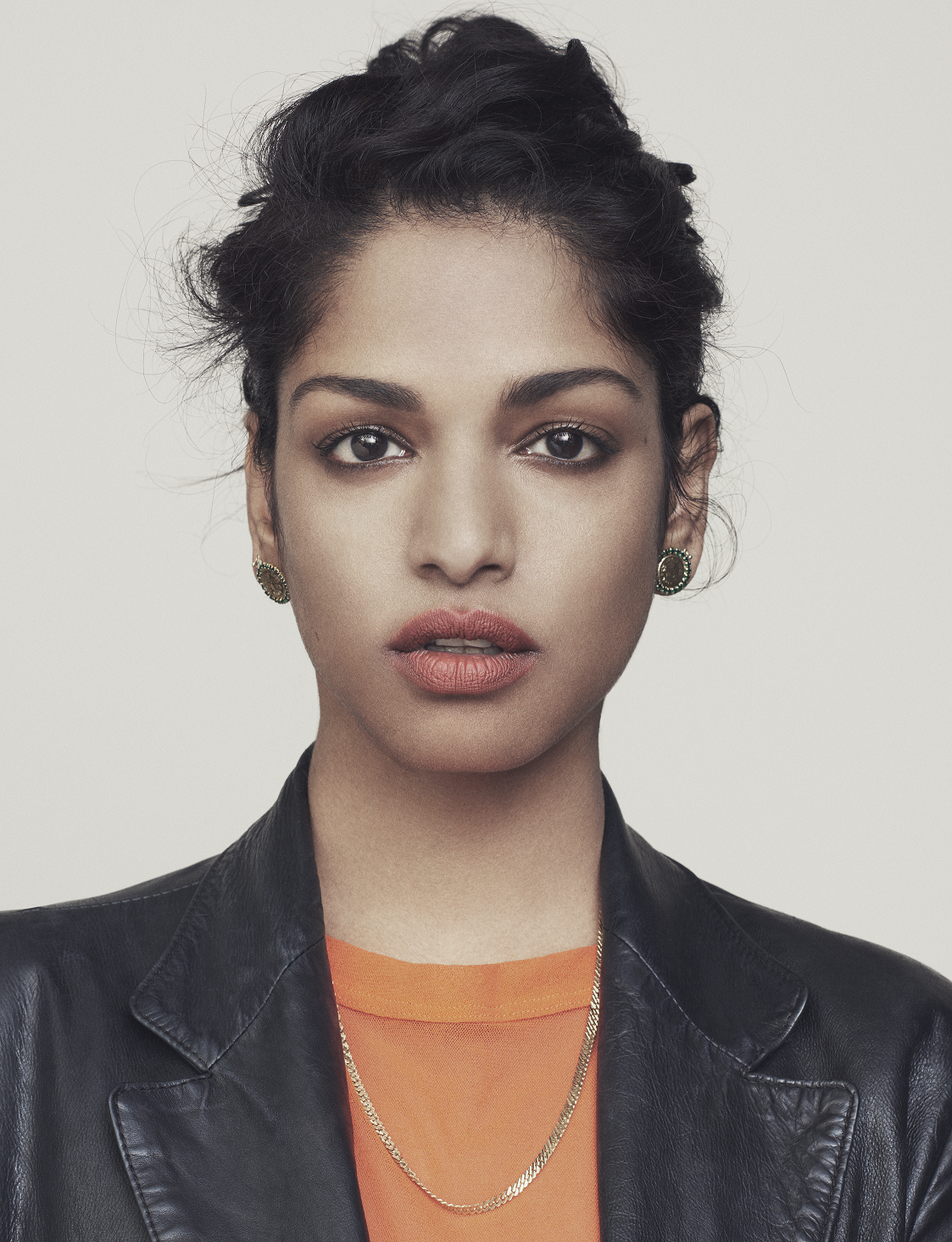



Early life and education
Maya comes from a Tamil family and has repeatedly acknowledged that her family history and the political situation in Sri Lanka shaped her interests as an artist; many profiles refer to a connection with Tamil political struggles in the late twentieth century. She studied fine art, film and video at Central Saint Martins, where her training in visual practice and moving image informed a hybrid approach to music and image-making. Her early professional work included designing album artwork and directing music videos for other artists, activities that honed a cinematic approach to staging and graphic design. For general background on her art practice see a profile here and notes on her film training here.
Musical development and breakthrough
M.I.A. emerged as a DIY musician who used inexpensive electronic instruments, samplers and groove boxes to create percussive, rhythm-driven tracks. Early collaborations and friendships within underground scenes introduced her to production tools and collaborators; accounts often mention her association with other musicians and producers who influenced her early sound. Her music blends club forms with global rhythmic sources and elements drawn from hip-hop, dance and electronic traditions, producing songs that are at once pop, protest and collage.
Her first widely heard single, "Galang," began life on a homemade demo and a white-label pressing that circulated among DJs; the demo stage and early recordings are discussed in music histories and interviews here. Subsequent re-releases of "Galang" and songs such as "Sunshowers" helped build attention ahead of her debut album. She was one of the early artists whose profile benefited from internet circulation and file-sharing, factors that affected how press and audiences discovered her work; see commentary on that phenomenon here.
Albums, singles and collaborations
M.I.A.'s recorded catalogue includes a sequence of studio albums released over the 2000s and 2010s that expanded her audience and stylistic range. Her debut album introduced a fragmented, maximalist sound; later releases explored global pop, sampling techniques and large-scale production collaborations. Major studio albums commonly listed in discographies are:
- Arular (debut)
- Kala
- Maya
- Matangi
- AIM
Singles such as "Galang" and "Sunshowers" established her in club and alternative circles; "Paper Planes" later achieved widespread recognition and crossover success. Throughout her career she collaborated with a variety of producers and artists, and her releases often feature guest performers and co-producers who contributed to the diversity of her sound.
Visual art, fashion and public work
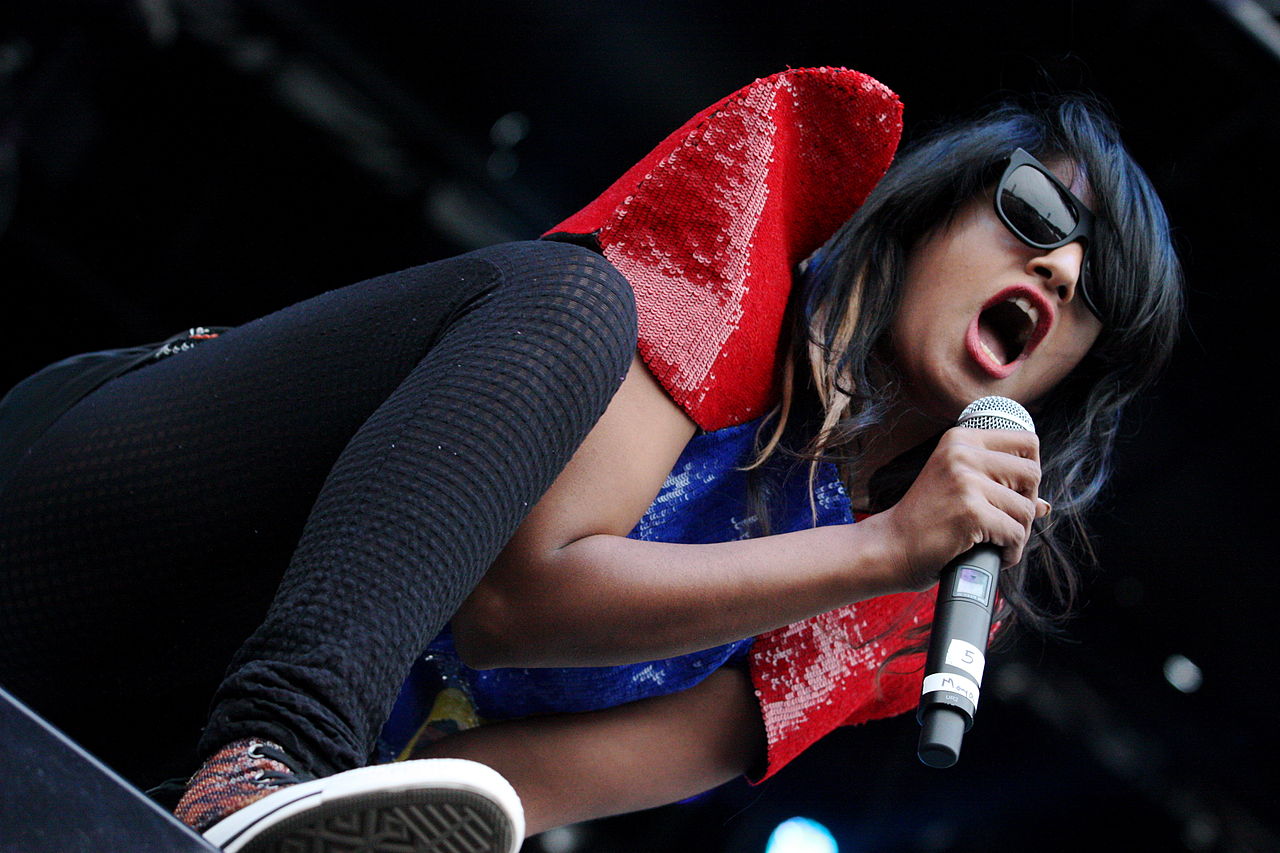
Alongside music, M.I.A. has maintained an active visual art practice that encompasses graphic design, video, performance and publication. She has produced art books, made short films and curated visual projects that reuse motifs from her music and political concerns. Her public image and sense of fashion have been widely discussed in cultural writing; coverage of her stylistic choices and stage presentation appears in arts journalism and interviews here. Observers note that her visual strategies are integral to how she frames questions of identity, migration and media representation here.
Controversies and critical reception
M.I.A.'s work has provoked debate: critics have praised her willingness to address difficult topics and experiment with form, while others have contested particular gestures or the political statements she has made in public. Her confrontational aesthetic, mixing of high and low cultural references, and use of provocative imagery have produced both strong critical support and controversy. Scholarly and journalistic discussions consider her an influential figure in demonstrating how pop music can intersect with activism and global media critique.
Legacy and continuing practice
By combining music, art and film, M.I.A. helped popularise a mode of cross-disciplinary practice in contemporary pop. She is often cited as an early example of an artist who used internet distribution and DIY production to reach international audiences, and her work continues to be studied in cultural criticism and music history for its hybrid approach. For further reading on her early internet-era rise and mixtape projects see additional commentary here, interviews and essays here, and broader overviews here.
Questions and answers
Q: Who is M.I.A.?
A: M.I.A., also known as Mathangi "Maya" Arulpragasam, is an acclaimed artist, movie graduate and musician born in 1975 in Hounslow, London. She is the daughter of a Tamil revolutionary and is best known for her stage name M.I.A., her music style which contains elements of grime, alternative, hip-hop, dance and electronic music, and her sense of fashion and other artistic output.
Q: What degree did she earn from Central St Martin's College?
A: M.I.A graduated from Central St Martin's College with a degree in fine art, film and video.
Q: What was the first album that she did cover artwork for?
A: The first album that M.I.A did cover artwork for was The Menace by Elastica in 2000.
Q: What instrument did Peaches introduce her to?
A: Peaches introduced M.I
Author
AlegsaOnline.com M.I.A.: Artist, Musician, and Multimedia Activist Leandro Alegsa
URL: https://en.alegsaonline.com/art/141948