
Live CD (Live DVD and Live USB)
A Live CD/DVD/USB is a bootable operating system that runs from removable media without installing to a computer, used for testing, rescue, demonstrations and portable, non‑destructive sessions.
A Live CD (also called a Live DVD or Live USB) is a self-contained operating system that runs directly from a removable medium such as a CD, DVD, or a USB flash drive. It is designed to boot a computer without installing software on the internal storage, leaving the host system unchanged unless the user explicitly chooses to modify it. Live systems normally load key components into memory and run applications (programs) from the medium while performing hardware detection during booting.
Many live images are based on Linux distributions, which is why the term "live distro" is common, but the live concept can apply to other operating systems as well. Typical live environments treat the source medium as read-only and use an overlay or temporary filesystem in RAM for runtime changes. Some live media support persistence, permitting selected user data and settings to be stored back to the removable device or a separate storage area so those changes survive reboot.
Image gallery
10 Images
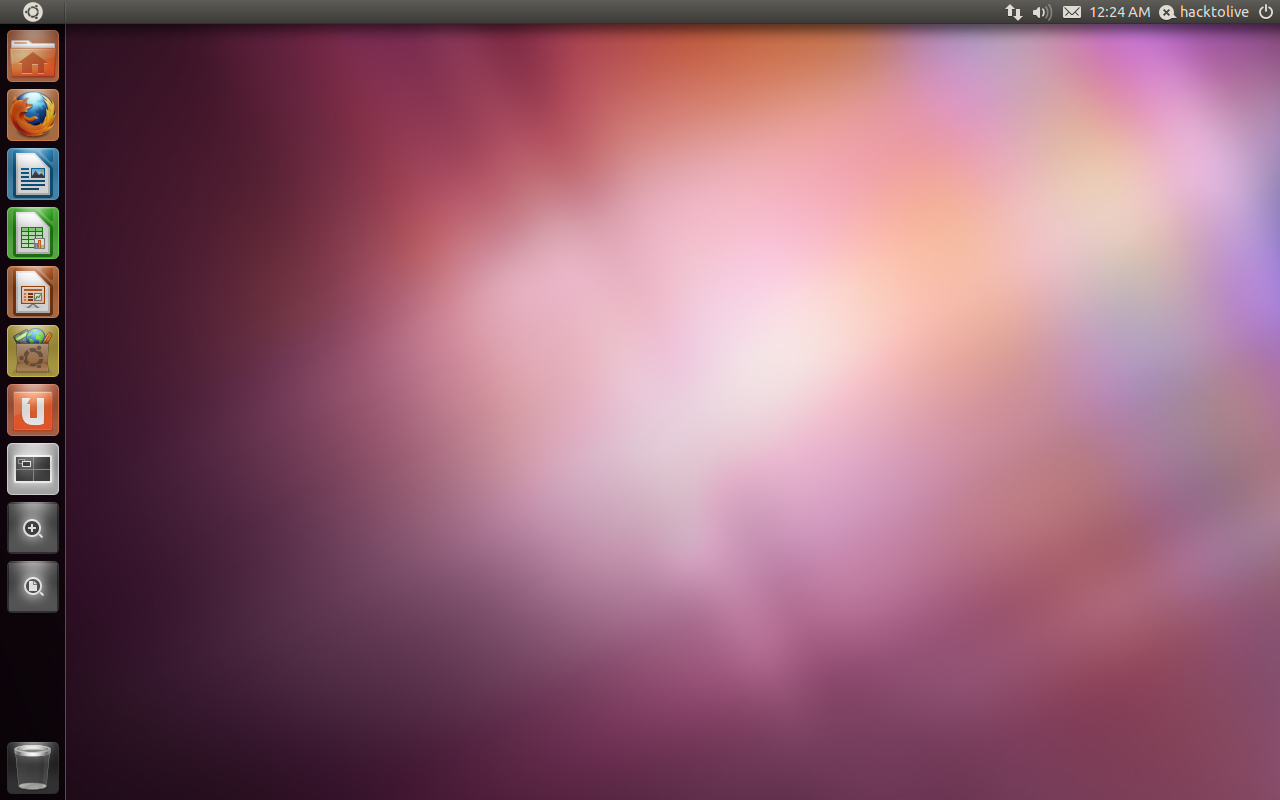


Key characteristics
- Bootable: includes a bootloader and kernel so the system can start without an installed OS.
- Self-contained: bundles a minimal or full desktop environment and essential system utilities.
- Non-destructive by default: does not alter internal partitions unless the user runs an installer or recovery tool.
- Hardware detection: configures devices such as graphics, network and storage during startup to work on a range of machines.
- Variants: optical media are typically read-only; USB media can be writable and faster and may support persistence.
The live idea developed as optical drives became widespread and later adapted to USB storage. Early experimental projects explored running complete systems from external disks; later efforts produced user-friendly, general-purpose live images. One of the most influential early projects that popularized running a full desktop from removable media was Knoppix, which demonstrated automatic hardware discovery and practical performance for everyday tasks.
Live media serve many practical roles: system rescue and recovery (repairing boot loaders, recovering files), evaluating an operating system without committing to installation, providing installers that run from the media, offering privacy‑oriented sessions that leave minimal traces on the host, and delivering portable work or teaching environments. Specialized distributions supply utilities for disk imaging, partitioning, antivirus scanning and forensic analysis.
Advantages include convenience, safety for the host, and portability. Performance depends on the medium: optical discs are slower and more limited than USB drives or RAM‑resident images. Security benefits from isolated sessions and read-only options, but users should still verify sources and integrity of images before booting unknown media to reduce risk.
Creating a live image commonly involves writing an ISO or hybrid image file to the chosen medium with a disk‑imaging or media‑writing tool. Many projects publish downloadable images and step‑by‑step instructions for creating a bootable CD, DVD or USB device. Because live environments are useful for troubleshooting, testing and teaching, they remain a widely used method for distributing and trying operating systems without modifying a host computer.
Questions and answers
Q: What is a Live CD?
A: A Live CD is a special type of computer operating system that can be run without installing anything on the computer first. It runs all its programs off the object it is put on, such as a CD or USB flash drive.
Q: What does "Distro" stand for?
A: Distro stands for Distribution, and is used because different types of Linux operating systems are called Linux Distributions, and Linux Distros were the first operating systems to be made into Live CDs.
Q: Are there other names for Live CDs besides "Live CD"?
A: Yes, there are other names for Live CDs depending on what kind of object it is put on. For example, "Live DVD" for DVDs or "Live USB" for USB flash drives.
Q: What does the word "live" mean in relation to these special operating systems?
A: The word "live" describes the special way that the operating system is set up so that it can run on a computer without needing to install anything first.
Q: Is a Live Distro only used with Linux Operating Systems?
A: No, although Linux Distros were the first operating systems to be made into Live CDs, they can now be used with any kind of operating system.
Q: Can you use multiple objects with one Live Distro?
A: Yes, you can use multiple objects such as CDs or USBs with one Live Distro by copying it onto each object separately.
Q: How do you create a Live CD/DVD/USB? A: To create a live CD/DVD/USB you need to download an ISO file which contains all the necessary files needed to boot up your computer and then burn them onto your chosen object using software such as ImgBurn or Nero Burning ROM.
Author
AlegsaOnline.com Live CD (Live DVD and Live USB) Leandro Alegsa
URL: https://en.alegsaonline.com/art/141724