
List of prime ministers of Nepal
Overview and guide to the officeholders who have served as Nepal's head of government, with historical context, how the list is organized, and notable patterns since the 19th century.
The office of the prime minister of Nepal is the chief executive role within the country's political system. Historically the position has existed under different constitutional arrangements — hereditary rule during the Rana period, ministerial leadership under the Shah monarchy, the Panchayat system, multi-party parliamentary governments, and the modern federal democratic republic. The prime minister leads the executive branch and is the principal figure in forming and guiding the government of Nepal.
Image gallery
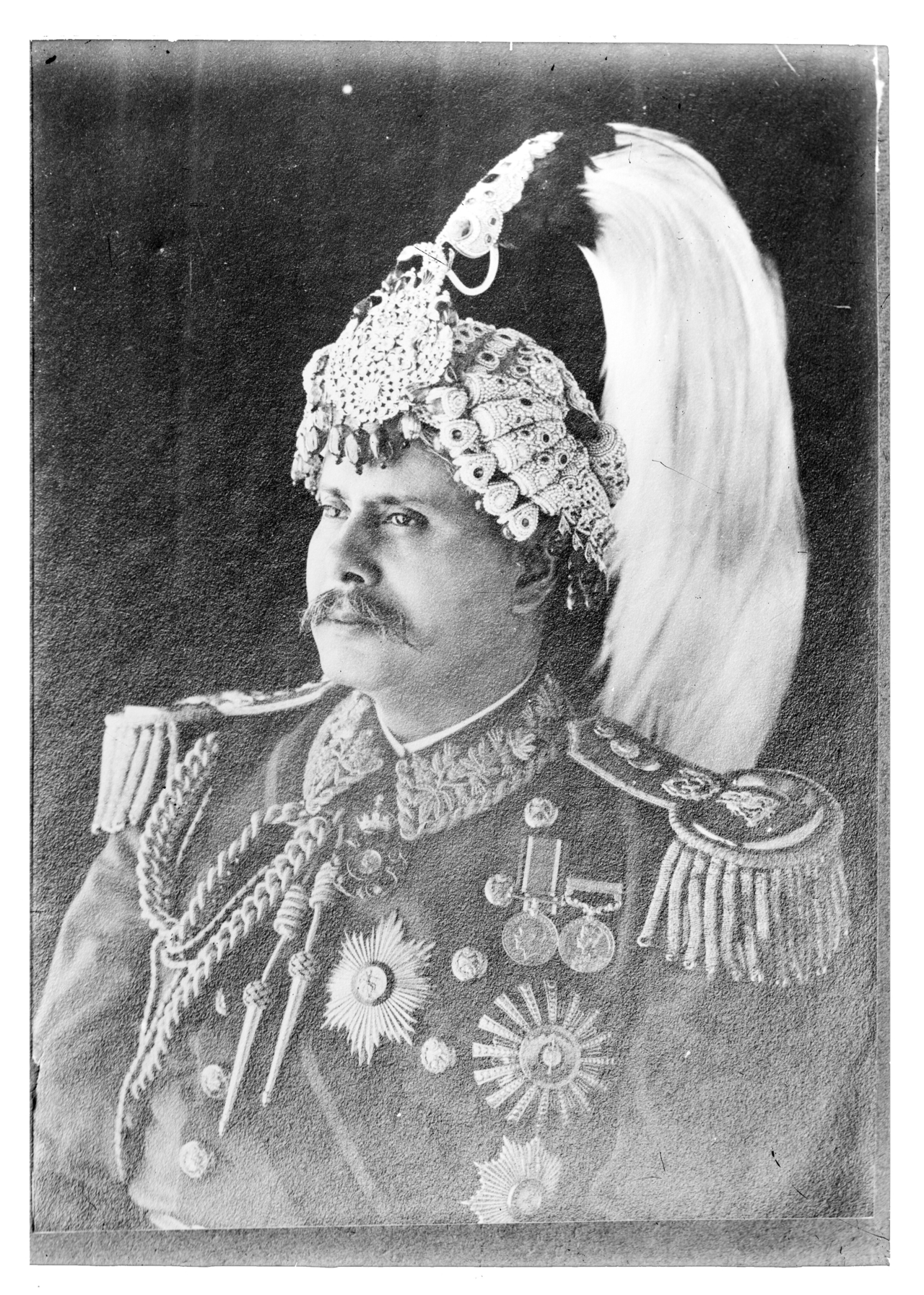
10 Images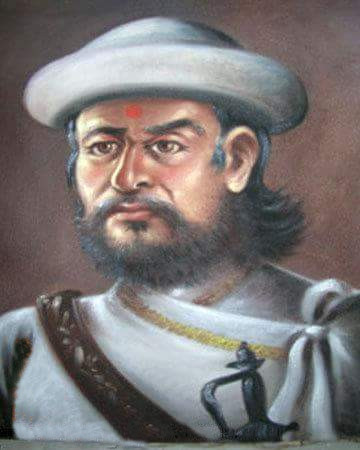




Role and selection
The prime minister is normally the leader of the largest party or coalition in the lower house of Parliament and must command a legislative majority to remain in office. Powers and limitations of the office have changed with constitutions and political reforms: some eras concentrated authority in the monarch or a single party, while more recent constitutions define duties, cabinet formation, and parliamentary accountability. Acting, caretaker, and interim prime ministers have appeared when governments fall or during transitions.
Historical development
Nepal's modern prime ministership traces significant shifts. A hereditary Rana prime ministership dominated from the mid-19th century and limited monarchical power. Democratic experiments after 1951, the Panchayat partyless system (1960–1990), the restoration of multi-party democracy in 1990, the Maoist insurgency and peace process, and the 2008 abolition of the monarchy all reshaped how prime ministers are chosen and what they can do. The 2015 constitution further redefined the office within a federal republic.
How the list is presented
A comprehensive list typically records each officeholder, their term(s), political affiliation, and key notes (for example: caretaker status, coalition arrangements, or interruption by royal action). Common columns or categories include:
- Name of prime minister
- Dates of tenure (start and end)
- Political party or designation
- Type of appointment (elected, caretaker, acting, or interim)
Notable figures and patterns
Several politicians have served multiple non-consecutive terms; party fragmentation and coalition politics often produce short-lived cabinets. Notable leaders from different eras include Rana rulers of the 19th century, mid-20th-century democratic leaders, and more recent party figures who guided the transition to republican constitutional rule. Patterns to watch in any list are repeated names, interim tenures around crises, and shifts coinciding with constitutional changes.
Importance and usage
Such a list is useful for researchers, students, and readers tracking political continuity, institutional change, and leadership trends in Nepal. When consulting a compiled list, check annotations that explain unusual circumstances — for example, appointments by monarchy, caretaker periods after no-confidence votes, or changes resulting from peace agreements and constitutional reform.
Questions and answers
Q: What is the role of the prime minister in Nepal?
A: The prime minister is the chief executive and head of the government of Nepal.
Q: Is the prime minister the highest ranking government official in Nepal?
A: Yes, the prime minister is the highest ranking government official in Nepal.
Q: Is the position of prime minister part of the monarchial structure of Nepal?
A: No, the position of prime minister is part of the democratic structure of Nepal.
Q: Is the position of prime minister elected or appointed in Nepal?
A: The position of prime minister is elected by the members of the Federal Parliament of Nepal.
Q: Is the prime minister of Nepal similar in role to the prime minister of other countries?
A: Yes, the prime minister of Nepal is similar in role to the prime minister of other countries.
Q: How long is the term of the prime minister of Nepal?
A: The term of the prime minister of Nepal is five years.
Q: Is there a limit to the number of terms a prime minister can serve in Nepal?
A: No, there is no limit to the number of terms a prime minister can serve in Nepal.
Author
AlegsaOnline.com List of prime ministers of Nepal Leandro Alegsa
URL: https://en.alegsaonline.com/art/141668