
List of plants by common name
Overview of how common plant names arise, their advantages and limitations, examples of ambiguity, historical development, and how lists and standards are used by gardeners and botanists.
Common names for plants are the informal, everyday words people use to identify species: names that arise in gardens, farms, markets and folklore. They are often vivid and memorable—like "daisy," "bluebell" or "cedar"—but they vary by language, region and habit. Because of this variability, many reference works and scientific resources pair common names with the plant's scientific (binomial) name to reduce confusion. Gardeners and horticulturalists frequently consult lists and guides that map common names to accepted scientific names; for example, resources for cultivated garden plants and for common weeds help connect everyday usage with botanical identity.
Image gallery
10 Images

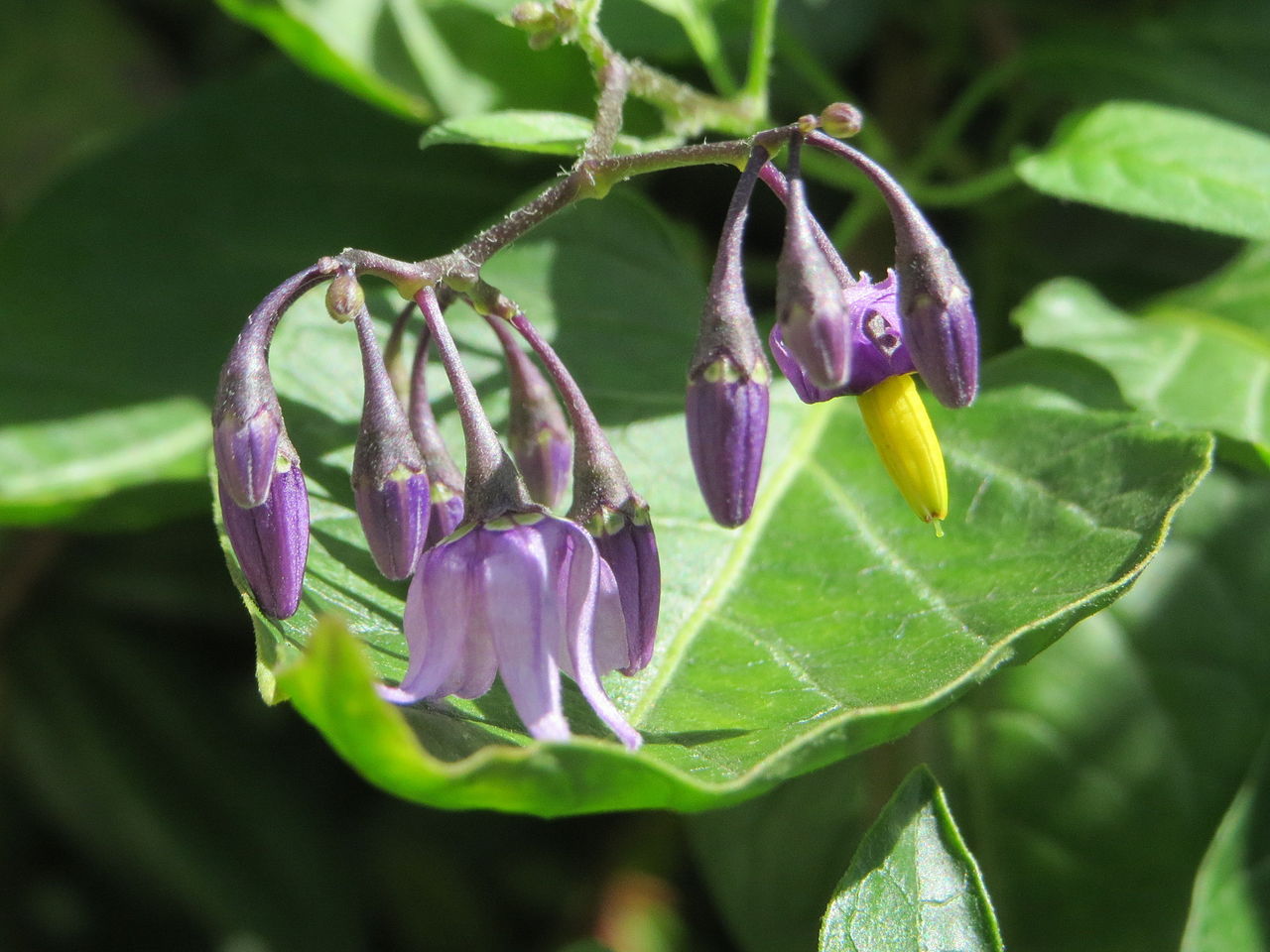


How common names develop
Common names grow out of human uses, appearance, habitat or local lore. A plant eaten as a staple may acquire a vernacular food name; a species with scented leaves might gain a name referencing its smell or medicinal use. Because names are learned socially, a single species may have many regional or cultural names, while one common name may be applied to several unrelated species that share a superficial resemblance.
Characteristics and common sources of confusion
Several patterns produce ambiguity:
- Polysemy: one common name used for different species ("cedar" refers to true Cedrus trees and to various junipers and cypresses).
- Synonymy: many common names for a single species (a widely planted rose may carry local trade names and folk names).
- Regional differences: a name in one country can denote a different plant elsewhere (the name "bluebell" typically means Hyacinthoides non-scripta in Britain and often Mertensia virginica in parts of North America).
History and attempts at standardization
Over centuries, vernacular plant names accumulated in oral traditions, herbals and agricultural manuals. With the rise of modern botany, Latin binomials provided a stable, internationally recognized system. Still, organizations such as botanical gardens, agricultural agencies and horticultural societies compile standardized common-name lists to help the public and professionals communicate more clearly while retaining the accessibility of vernacular terms.
Uses and practical importance
Common-name lists are useful for education, gardening, plant trade, medicine and conservation outreach. They make plant information approachable for non-specialists and help label displays, seed packets and extension materials. However, relying solely on common names can be risky for regulatory, ecological or medicinal contexts where precise identification is required.
How to use a list of plants by common name
When consulting a list: check for associated scientific names, note regional qualifiers (such as "American" or a local place name), and, when necessary, confirm identity with images or herbarium references. Many regional floras and online guides include cross-references from common names to accepted botanical nomenclature; for North American regional usages see resources tied to North America plant guides.
In summary, lists of plants by common name are valuable tools for everyday communication and outreach, but they work best when used alongside systematic names and reliable identification resources.
Questions and answers
Q: Why do plant encyclopedias use binomials instead of common names?
A: Plant encyclopedias use binomials instead of common names because common names can vary widely from region to region.
Q: What are some other names for common names?
A: Common names are also referred to as "country names" or "farmer's names".
Q: How are common names developed over time?
A: Common names develop over time according to use, appearance, and lore.
Q: Do all plants have only one common name?
A: No, most plants have several country names, and country names often refer to several distinct plants.
Q: Are garden plants and weeds included in the list of common names?
A: Yes, the list includes garden plants as well as weeds.
Q: Is the list of plants by common name complete?
A: No, the list is by no means a complete list.
Q: What region are most of the common names in the list from?
A: Most of the common names in the list so far are regional names from North America.
Author
AlegsaOnline.com List of plants by common name Leandro Alegsa
URL: https://en.alegsaonline.com/art/141655