
List of Nobel Prize winners in Chemistry
Overview and guide to the Nobel Prize in Chemistry, its history, selection, notable laureates and how the official list is organized and used.
Overview
The Nobel Prize in Chemistry is one of the original prizes established by Alfred Nobel and has been awarded annually since the first Nobel awards at the beginning of the 20th century. It recognizes individuals whose discoveries, inventions or improvements in chemistry have provided the greatest benefit to humankind. The prize is administered and presented by the Royal Swedish Academy of Sciences.
Image gallery
1 Image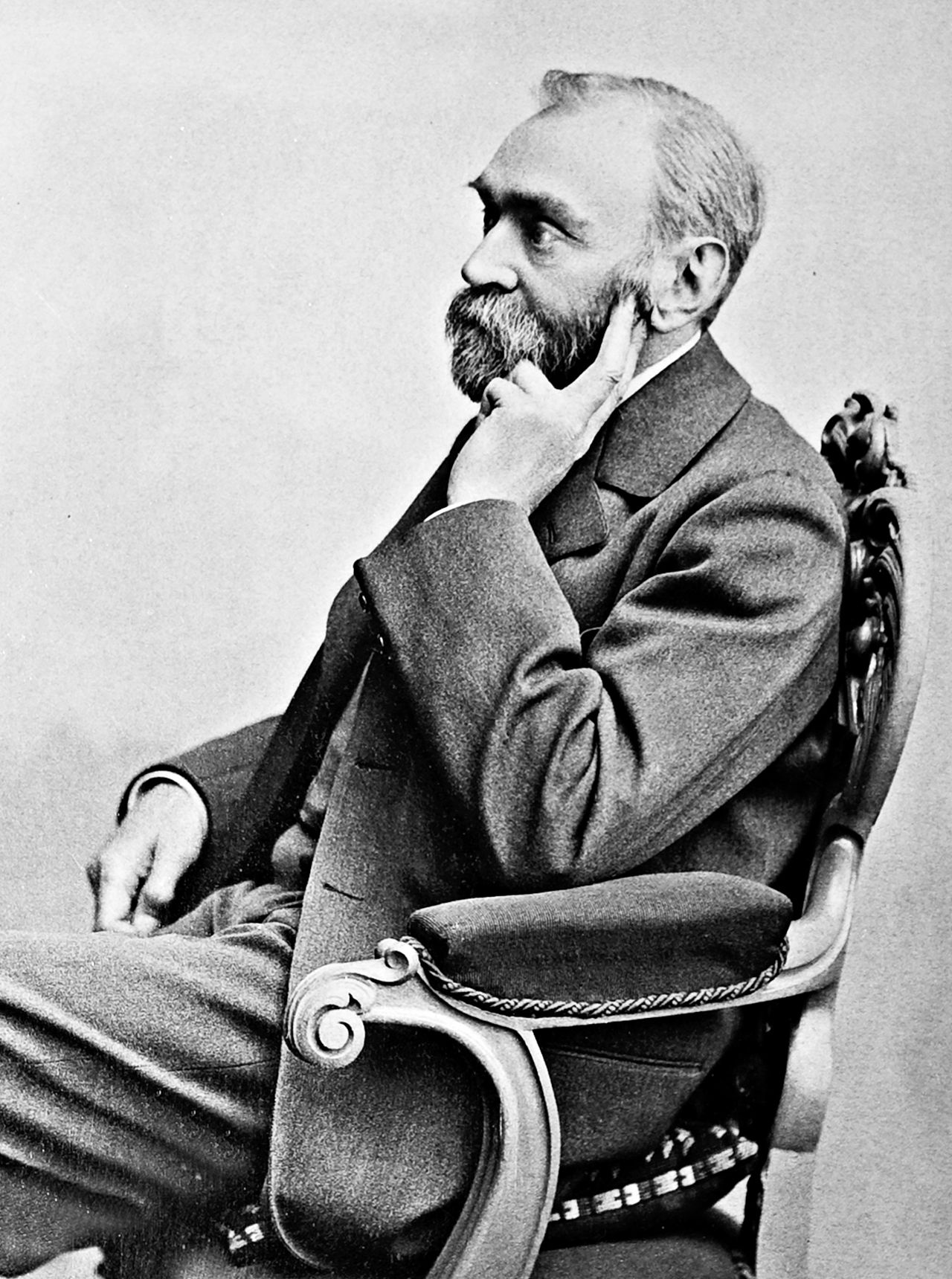
History and development
The chemistry prize has evolved from early recognitions of basic chemical discoveries to awards for molecular biology, materials science and theoretical methods. The first awards set a pattern of honoring both fundamental advances and practical applications. Over time the prize has been shared between co-workers when discoveries are collaborative, and it has occasionally highlighted interdisciplinary work connecting chemistry with physics and medicine.
Selection, criteria and presentation
Laureates are selected following nominations from qualified scientists and organizations. Nominations and deliberations are confidential for many years. The prize may be awarded to up to three individuals in a given year and is presented in Stockholm; the Nobel Prize in Chemistry is part of the suite of Nobel Prizes that also include physics, medicine, literature and peace.
Organization of the list
A "list of Nobel Prize winners in Chemistry" typically arranges laureates by year and includes the names of the recipient(s), a brief citation of the work recognized, and institutional or national affiliations. Official compilations and reference lists also provide biographical notes, lecture citations and links to original presentations. For context on individual winners one can consult institutional pages or encyclopedia entries linked from the official lists; for example, entries often note the broader scientific field such as physical chemistry or organic chemistry (chemistry).
Notable laureates and examples
- Marie Curie — widely known for her work on radioactivity; she is the first person awarded Nobel Prizes in two different sciences, first in physics and later in chemistry for the discovery of radium.
- Pierre Curie — often cited alongside Marie Curie for early work on radioactivity and joint recognition in physics.
- Linus Pauling — another prominent example of a scientist who received two Nobel Prizes in different fields (one in chemistry and one in peace), illustrating the prize's recognition of both scientific impact and societal contributions.
Significance and distinctions
The annual list of chemistry laureates functions as both a historical record and a guide to important trends in the chemical sciences. It highlights shifts from classical analysis and synthesis to modern techniques in spectroscopy, computational chemistry and biochemistry. Researchers, educators and the public consult the list to trace influence, discover seminal work and identify key contributors to chemistry.
For the authoritative registry and full citations of every winner, see official compilations and archives that collect citations, lectures and biographical material; these primary sources offer the most complete form of the "list." References and further reading are available through institutional portals and the centralized Nobel resources commonly linked from summary pages.
Questions and answers
Q: Who awards the Nobel Prize in Chemistry?
A: The Nobel Prize in Chemistry is awarded by the Royal Swedish Academy of Sciences.
Q: What kind of people win the Nobel Prize in Chemistry?
A: The Prize is awarded to people who have made progress in the scientific area of chemistry, those who have worked hard to learn more and have succeeded.
Q: How often is the Nobel Prize in Chemistry given?
A: The Prize is given every year.
Q: What is the Nobel Prize in Chemistry?
A: The Nobel Prize in Chemistry is one of the many Nobel Prizes and is awarded to those who have made progress in the scientific area of chemistry.
Q: Who was a famous winner of the Nobel Prize in Chemistry?
A: Marie Curie was a famous winner of the Nobel Prize in Chemistry for discovering radium with her husband Pierre.
Q: Has anyone ever won the Nobel Prize in Chemistry twice?
A: Yes, Marie Curie was the first person to win the prize twice; the first time was for Physics in 1903.
Q: What did Marie Curie and her husband discover to win the Nobel Prize in Chemistry?
A: Marie Curie and her husband discovered radium to win the Nobel Prize in Chemistry.
Author
AlegsaOnline.com List of Nobel Prize winners in Chemistry Leandro Alegsa
URL: https://en.alegsaonline.com/art/141647