
Heads of Government of Libya
Chronological overview of Libya's chief ministers and equivalent office-holders from independence in 1951 to the contemporary era, explaining title changes, institutional shifts, and post‑2011 fragmentation.
Overview
This article explains who has served as Libya's head of government since independence in 1951 and how the office has changed. The title and powers attached to the role have varied with constitutional systems and political upheavals: during the monarchy the senior minister was commonly termed "Prime Minister," under Muammar Gaddafi's rule the executive was reorganized into popular committees with "General Secretaries," and after the 2011 uprising the office has reappeared under different names and rival administrations.
Image gallery
10 Images


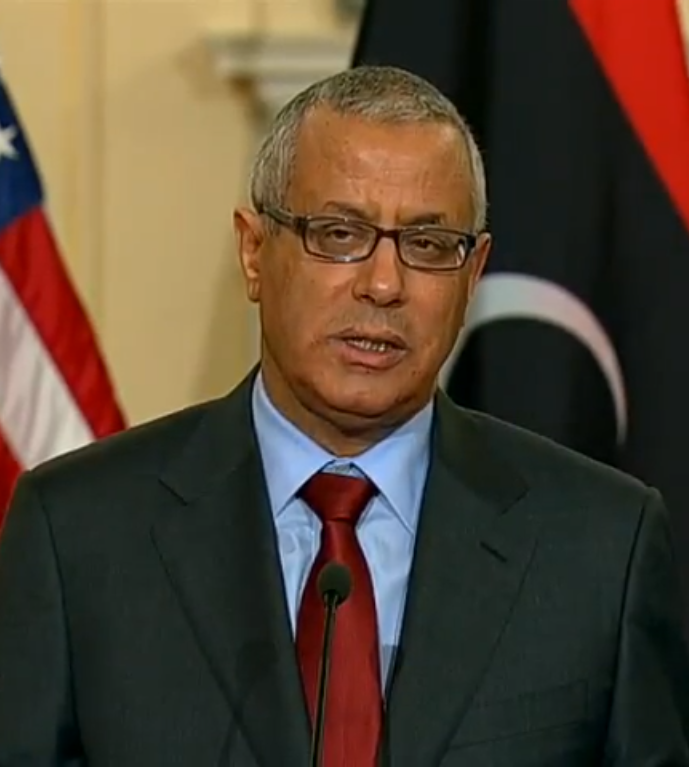

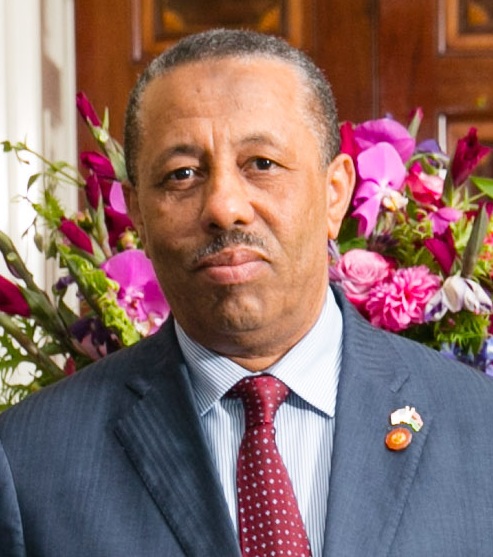
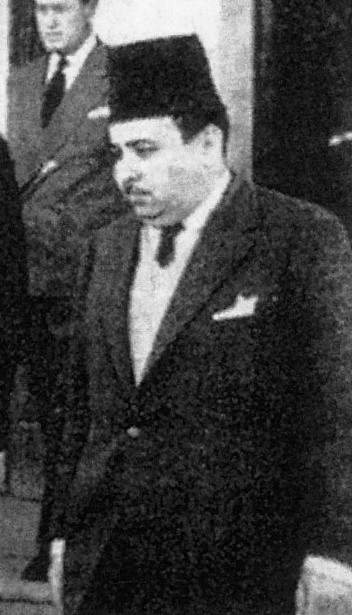


Office and titles
The chief minister of Libya has been known by more than one title. Key forms include:
- Prime Minister – the head of government in parliamentary or constitutional systems, responsible for day-to-day administration and cabinet leadership.
- General Secretary of the General People's Committee – the title used in the formal institutional architecture of Libya from the late 1970s under the Jamahiriya system, functioning as the executive head within a network of people's committees.
Historical development
After Libya gained independence in 1951 the country was governed as a kingdom with a cabinet led by a prime minister. In 1969 a revolutionary coup brought Colonel Muammar Gaddafi to power and initiated a period of institutional change. In 1977 the regime declared the creation of a "state of the masses" (often referred to as the Jamahiriya) and replaced the conventional prime ministerial office with the General People's Committee and its General Secretary. This arrangement persisted in official form until the 2011 uprising that ended Gaddafi's rule.
Post‑2011 fragmentation and attempts at unity
The collapse of the old regime produced multiple interim authorities, rival administrations and internationally mediated attempts to restore unified governance. Competing bodies have included transitional councils, elected congresses and UN-backed arrangements; at various times an internationally recognised executive and alternative governments have claimed authority. Efforts to unify rival institutions have produced successive accords and transitional executives aimed at forming a single, recognised head of government.
Importance and distinctions
Understanding the list of Libya's heads of government requires distinguishing formal title from real authority. In some periods the de facto leader held power without occupying the formal head-of-government post, while in others collective or local bodies shared executive functions. For a chronological register and biographical details, see the compiled full list of heads of government and general context on Libya. For the period when the General People's Committee was the executive organ, consult sources on General Secretaries.
Because Libya's institutions and titles have shifted with constitutional changes and political crises, readers seeking names and dates should consult authoritative, up‑to‑date compilations and official records for precise chronologies.
Questions and answers
Q: Who have been the heads of government of Libya since independence in 1951?
A: Heads of government of Libya since independence in 1951 have been Prime Ministers from 1951 to 1977, General Secretaries of the General People's Committee from 1977 to 2011, and Prime Ministers again since 2011.
Q: When did heads of government of Libya start being General Secretaries of the General People's Committee?
A: Heads of government of Libya started being General Secretaries of the General People's Committee from 1977 to 2011.
Q: Who were the heads of government of Libya before General Secretaries of the General People's Committee?
A: Heads of government of Libya before General Secretaries of the General People's Committee were Prime Ministers, from 1951 to 1977.
Q: When did Prime Ministers return to the Libyan government?
A: Prime Ministers returned to the Libyan government since 2011.
Q: What is the role of General Secretaries of the General People's Committee?
A: General Secretaries of the General People's Committee were the heads of government of Libya from 1977 to 2011.
Q: How does the Libyan government's system work?
A: The Libyan government's system has undergone several changes, with Prime Ministers and General Secretaries of the General People's Committee serving as the heads of government in different periods.
Q: How many different periods were there in the history of the Libyan government's system?
A: There were three different periods in the history of the Libyan government's system, with heads of government being Prime Ministers from 1951 to 1977, General Secretaries of the General People's Committee from 1977 to 2011, and Prime Ministers again since 2011.
Author
AlegsaOnline.com Heads of Government of Libya Leandro Alegsa
URL: https://en.alegsaonline.com/art/141622