
List of European stadiums by capacity (25,000 and above)
An overview of European stadiums with capacities of 25,000 or more, explaining types, history, criteria for ranking, notable examples and practical considerations about capacity figures and uses.
Overview
This article treats European stadiums whose official seating or spectator capacity meets or exceeds 25,000. Such compilations are normally ordered by maximum sanctioned capacity and emphasize large venues that serve major clubs, national teams and multi‑purpose events. Most of these arenas were constructed primarily for association football, but the list also includes venues built for other field sports and multi‑use facilities.
Image gallery
4 Images

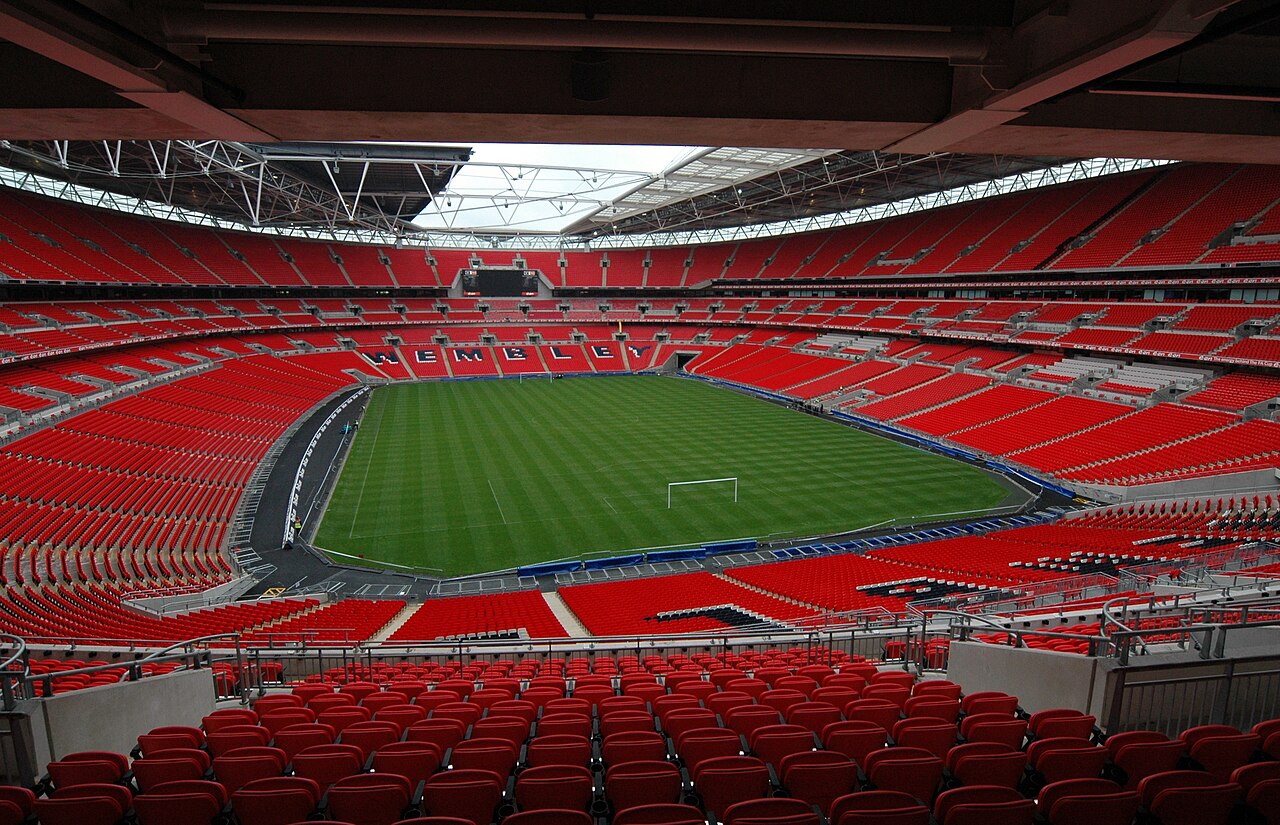

Types and characteristics
Large stadiums vary in design and function. Some are football‑specific, optimized for sightlines and crowd atmosphere; others are multi‑purpose bowls that accommodate athletics tracks or concert stages. Several venues were designed primarily for rugby (rugby) or for regional sports; in Ireland many large grounds are associated with Gaelic games and local sporting traditions (Ireland, Gaelic games). Capacity can include seated and standing areas, and older stadiums sometimes retain terraces while modern standards favor all‑seater arrangements.
History and development
The growth of large stadiums across Europe accelerated in the 20th century with the professionalization of sport and the rise of mass spectator events. Many historic grounds expanded with stands and roofs, while safety regulations and commercial demands in recent decades have prompted renovations, conversions to all‑seater formats and construction of entirely new venues. Hosting major tournaments has also driven capacity upgrades and rebuilds.
Uses and notable examples
Venues meeting the 25,000 threshold host domestic league matches, international fixtures, cup finals and large concerts. Some of Europe’s best‑known stadiums serve both club and national teams and are frequently cited in capacity rankings. Examples include long‑standing club homes renowned for atmosphere, national stadiums used for major finals, and modern arenas rebuilt to combine commercial facilities with spectator comfort.
Criteria and ranking considerations
When assembling a list by capacity, compilers typically use official published figures for permanent seating. Temporary expansions for a single event, restricted capacity during renovations, and standing‑only areas can change a venue’s rank. Cross‑border comparisons should account for differences in counting methods and the fact that capacities are regularly altered by redevelopment and regulation.
Distinctions and contemporary trends
Large stadiums differ widely by ownership model, with some operated by municipalities, clubs or private entities, and they vary in architectural style and amenities. Recent trends emphasize accessibility, safety, hospitality spaces and environmental performance. Lists of European stadiums by capacity provide a snapshot that is useful for historical comparison, event planning and understanding the role of major venues in sport and culture.
Questions and answers
Q: What is the purpose of the list?
A: The purpose of the list is to provide information on European stadiums with a capacity of at least 25,000.
Q: What is the main sport for which most of these stadiums were built?
A: Most of these stadiums were built mainly for association football.
Q: What are some of the other sports for which these stadiums were built?
A: Some of the other sports for which these stadiums were built include athletics, the rugby codes, and (in Ireland) Gaelic games.
Q: Are all stadiums in Europe included in this list?
A: No, only stadiums with a capacity of at least 25,000 are included in this list.
Q: Is this a comprehensive list of all European stadiums with a capacity of at least 25,000?
A: It is not clear from the text whether this is a comprehensive list of all European stadiums with a capacity of at least 25,000.
Q: Is there any particular reason why Gaelic games are mentioned separately?
A: Gaelic games are mentioned separately because they are a unique and popular national sport in Ireland.
Q: Are there other sports for which some of these stadiums may have been built as well?
A: It is possible that some of these stadiums may have been built for other sports as well, but the text only mentions athletics, the rugby codes, and Gaelic games.
Author
AlegsaOnline.com List of European stadiums by capacity (25,000 and above) Leandro Alegsa
URL: https://en.alegsaonline.com/art/141616