
List of European dinosaurs: overview, notable genera and fossil regions
Survey of dinosaurs known from Europe: geological setting, notable genera, key fossil sites, patterns such as insular dwarfism, and reasons for gaps in the record.
Dinosaurs first appear in the deep past of the Mesozoic world and Europe has a long but patchy record of these animals. Their early evolution occurred during the Triassic, when the continents were joined in a single supercontinent known as Pangaea. Over the next millions of years the landmasses split: by the Jurassic the division between northern and southern blocks called Laurasia and Gondwana was underway, and the marine inlet called the Tethys Ocean reshaped regional shorelines. Throughout the Jurassic and into the Cretaceous, what is now Europe passed through phases of connection and isolation, alternately forming land bridges, island chains and shallow seas that influenced dinosaur distribution.
Image gallery
10 Images




What this list covers and why the record is uneven
A "List of European dinosaurs" usually catalogs named dinosaur genera and significant species recovered from European localities. However, the fossil record is spotty: some time intervals and regions produce rich assemblages, while others yield few remains because of erosion, lack of exposure, or past environments that did not preserve bones well. The pattern of discovery also reflects historical collecting effort—centres with long histories of paleontology have given us many names.
Representative European dinosaurs
- Iguanodon — one of the first dinosaurs recognized; classic early Cretaceous ornithopod known from England and Belgium.
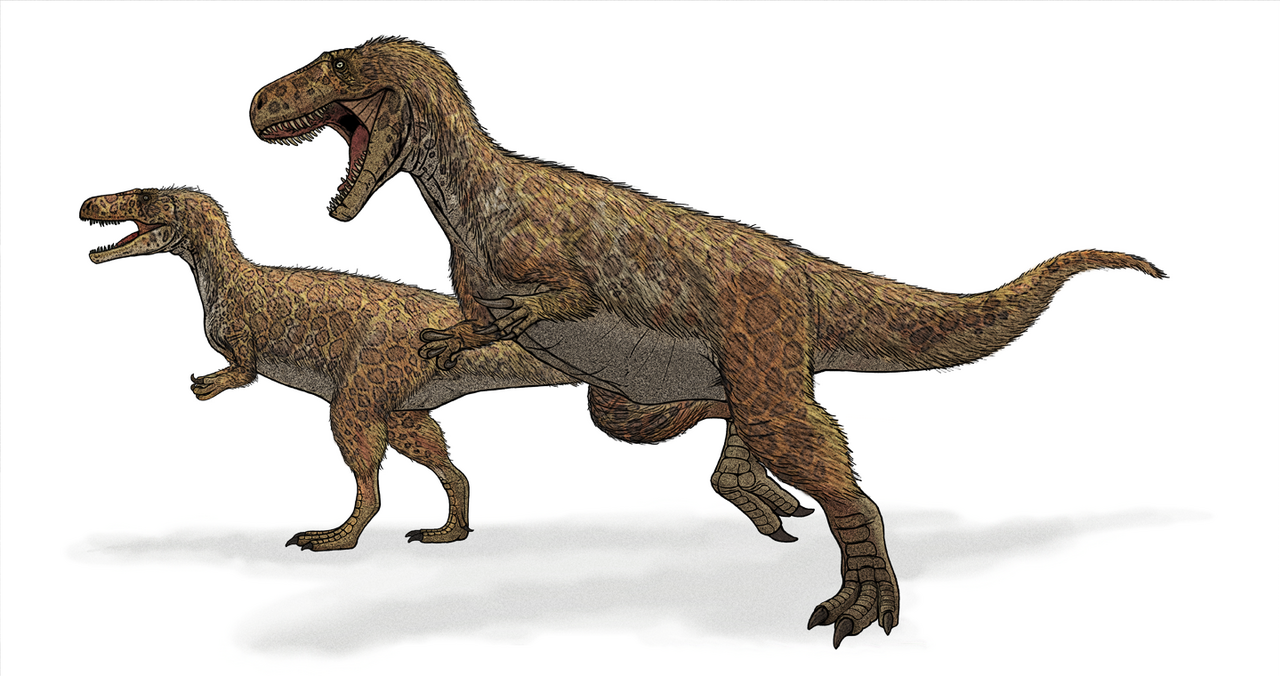
- Megalosaurus — an early named carnivorous dinosaur from England, historically important in the development of dinosaur science.
- Plateosaurus — a common Triassic herbivore from central Europe, illustrating early sauropodomorph diversity.
- Compsognathus — a small, lightly built theropod known from Germany and France; often cited in discussions of small carnivores.
- Archaeopteryx — from the Solnhofen limestones of Germany; crucial for understanding the origin of birds (often included on dinosaur lists because of its transitional anatomy).
- Baryonyx — a fish-eating theropod from England with a distinctive elongated snout.
- Europasaurus — a dwarf sauropod from northern Europe, often cited as an example of Cretaceous insular dwarfism.
- Concavenator and Torvosaurus — examples of large theropods reported from Iberian localities.
- Magyarosaurus and Telmatosaurus — Late Cretaceous taxa from the Transylvanian (Hațeg) region associated with insular ecosystems.
Key fossil sites and types of preservation
European dinosaur remains come from a variety of deposits. Fine-grained limestones such as the Solnhofen beds preserve exceptional details including feathers and soft tissues. Floodplain and fluvial sediments in England (the Wealden Group), Germany and Spain produce abundant bones and tracksites, while isolated bonebeds and coastal deposits have yielded large elements. Some regions are known for particular ages: parts of central and western Europe are rich in Jurassic–Cretaceous boundary fossils, a time when Europe consisted of islands and shallow seas.
Important patterns and scientific value
European dinosaurs illustrate several themes in paleontology: evolutionary transitions (for example, between non-avian theropods and early birds), biogeographic effects of changing sea levels and island formation, and ecological responses such as dwarfism on islands. Gaps in the record are as informative as the fossils themselves because they reflect changing environments and sampling bias; active fieldwork and modern techniques continue to improve the inventory. For those interested in names and distributions, lists are updated as new discoveries and revisions appear in the literature (Triassic to Jurassic to Cretaceous), and museum collections across Europe preserve many type specimens.
Further reading and resources
- Overview of the Mesozoic — background on the era that produced dinosaurs.
- Pangaea and its breakup — context for continental movement.
- Tethys Ocean — influence on European paleogeography.
- Laurasia and Gondwana — major landmasses after Pangaea.
- Supercontinent dynamics and implications for faunal exchange.
- Genera lists and taxonomic notes for researchers and enthusiasts.
Because paleontology is an active science, names, relationships and distributions change with new finds. A list of European dinosaurs therefore functions best as a summary that highlights representative taxa and the geological and geographic factors that shaped their histories.
Questions and answers
Q: When did dinosaurs first evolve?
A: Dinosaurs evolved partway through the Triassic period of the Mesozoic era, around 230 million years ago.
Q: What was the supercontinental landmass called during this time?
A: The supercontinental landmass during this time was called Pangaea.
Q: How long after the start of the Triassic period did Pangaea begin to split into Laurasia and Gondwana?
A: Pangaea began to split into Laurasia and Gondwana around 30 million years after the start of the Triassic period.
Q: What was the largest inlet from Panthalassa that surrounded Pangaea called?
A: The largest inlet from Panthalassa that surrounded Pangaea was called the Tethys Ocean.
Q: By what point were continents beginning to approach their present shapes but not their present positions?
A: By the Cretaceous period, which lasted from 145 to 65 million years ago, continents were beginning to approach their present shapes but not their present positions.
Q: Why is there a lack of dinosaur genera known from this time period?
A: There is a lack of dinosaur genera known from this time because few fossils have been discovered, and almost certainly not because Europe contained few types of dinosaur—except, perhaps, immediately after the Triassic–Jurassic extinction event.
Author
AlegsaOnline.com List of European dinosaurs: overview, notable genera and fossil regions Leandro Alegsa
URL: https://en.alegsaonline.com/art/141615