
List of Atlantic hurricanes in the 18th century
Survey of known Atlantic hurricane activity during the 18th century, the limitations of historical records, notable storms, and how modern research reconstructs pre‑instrumental events.
The 18th century left a partial record of Atlantic hurricanes. Systematic meteorological observations and continuous instrumental records did not exist, so what we know comes from surviving ship logs, port and colonial records, newspapers, private diaries and the archaeological record. These fragmentary sources have been combined by researchers to produce catalogs and narrative lists that aim to place each documented storm in a temporal and geographic context. For an overview of how storms are grouped by year and season see Atlantic hurricane seasons.
Most tropical cyclones in the Atlantic basin form during the warm months of the year; the modern defined season runs from June 1 to November 30. Contemporary observers of the 18th century did not use the modern term tropical cyclone, but they reported violent storms, squalls, and gales that match the described behavior of hurricanes. Because observations were concentrated where people and shipping were present, storms that struck heavily trafficked sea lanes or populated coasts are more likely to be documented than those that remained far offshore.
Historical coverage improves relative to earlier centuries: comparison with earlier compilations (for example, Before 1600 or the 1600s) shows a gradual increase in the number and detail of surviving reports through the 1700s. Still, many events are known only by a single surviving mention, and dates or tracks are often approximate. Researchers therefore treat 18th‑century lists as reconstruction efforts that combine direct reports with inference about likely tracks, intensities and impacts.
Image gallery
1 Image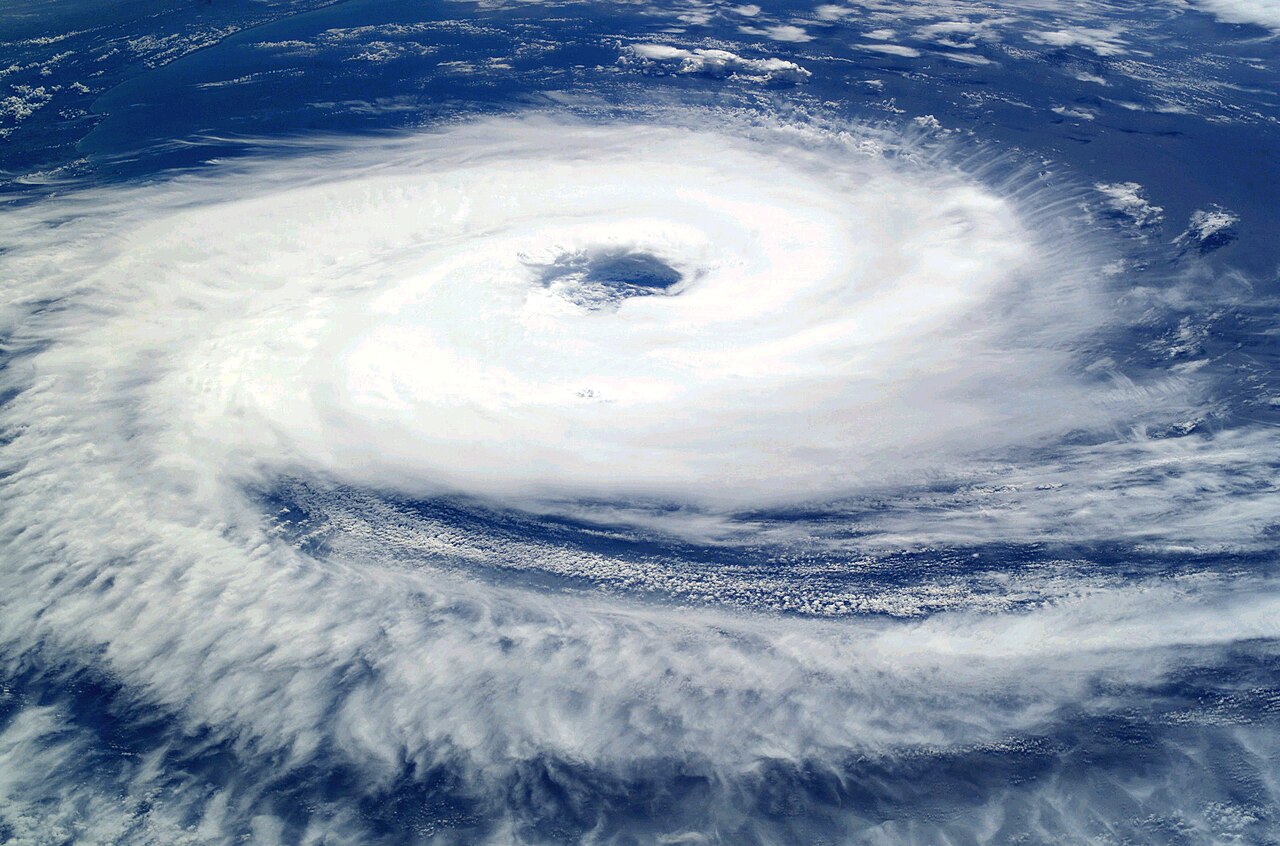
Notable storms and documented impacts
- 1715 Spanish treasure fleet hurricane: One of the most famous wrecking storms of the era, recorded in Spanish and English sources for its destruction of ships off the Florida coast and consequent loss of treasure and lives. Documentation comes from survivors' accounts, salvage records and colonial correspondence.
- Great Hurricane of 1780: Widely recorded across the Caribbean as an exceptionally severe and deadly storm. Contemporary colonial and naval reports describe widespread destruction on several islands and heavy losses to shipping. It is regarded by historians as among the deadliest Atlantic hurricanes in the pre‑instrumental record.
- Regional landfalls and shipping losses: Throughout the century, a series of storms are documented striking the Lesser Antilles, Hispaniola, Cuba, the Bahamas and the eastern seaboard of North America. Many entries in 18th‑century lists derive from port damage reports, plantation records and insurance claims that identify the timing and area affected even when precise tracks are unknown.
Because official naming and consistent intensity scales did not exist, historians and meteorologists rely on qualitative descriptions: ship damage, reported barometric readings where available, storm surge and flooding accounts, and the spatial distribution of reports. Modern investigators also use geological and ecological proxies—overwash deposits in coastal sediment, tree‑ring stress signals, and coral records—to extend and corroborate documentary evidence. These interdisciplinary approaches allow reconstruction of storm frequency and relative intensity trends across the century, though absolute counts remain conservative compared with the actual number of storms that likely occurred.
Lists of 18th‑century Atlantic hurricanes therefore serve several purposes: they preserve primary documentary evidence of destructive events, provide data for long‑term climate and impact studies, and illuminate how societies of the period experienced and responded to extreme weather. For readers seeking compiled year‑by‑year listings, season summaries, or deeper technical discussion of reconstruction methods, consult the general season overviews and linked resources above and in specialist compilations that synthesize archival material and paleoclimate findings.
Researchers and interested readers should expect ongoing refinements as new documents are discovered and as paleotempestology methods improve. The partial nature of the record means that 18th‑century lists are best used as working catalogs—valuable windows into past hazards but always subject to revision.
Atlantic hurricane seasons summaries and chronological compilations remain the practical entry points for navigating recorded storms of the 18th century; more specialized sources address methods for reconstructing events from sparse historical evidence.
Additional context and comparative material can be found in overviews of earlier and later centuries: Before 1600, the 1600s, and continuing season-by-season accounts archived in modern compilations and research articles.
For precise dates and localized impact reports within this century consult primary archival collections and annotated catalogs that cite original dispatches, newspapers and marine records—the foundation of all published 18th‑century hurricane lists.
Questions and answers
Q: What is the annual cycle of tropical cyclone formation in the Atlantic basin?
A: Most tropical cyclone formation occurs between June 1 and November 30.
Q: When did people start providing information about hurricane happenings?
A: People started providing information about hurricane happenings before 1600.
Q: How much information is available for every storm that happened?
A: Not all storms have enough information available.
Q: What time period do most hurricanes occur in the Atlantic basin?
A: Most hurricanes occur between June 1 and November 30 in the Atlantic basin.
Q: Was there any variation in hurricane season over different decades?
A: Yes, each decade had its own unique hurricane season.
Q: Are there any records of hurricanes from before 1600?
A: While not all storms have enough information available, some parts of the coastline had enough people to give information of hurricane happenings from before 1600.
Q: Did all areas experience similar levels of activity during a given decade's hurricane season?
A:No, different areas experienced varying levels of activity during a given decade's hurricane season.
Author
AlegsaOnline.com List of Atlantic hurricanes in the 18th century Leandro Alegsa
URL: https://en.alegsaonline.com/art/141586