
Leo III of Armenia (c. 1236–1289)
King of the Armenian Kingdom of Cilicia from 1270 to 1289; maintained alliances, fought Mamluk threats, and founded a large royal family whose members later contended for the throne.
Overview
Leo III (also written Leon) was a thirteenth‑century monarch of the Armenian Kingdom of Cilicia. Born around c. 1236, he reigned from 1270 until his death in 1289. He was the son of King Hethum I and Queen Isabella and succeeded after a period of warfare and political negotiation that marked the later years of his father's rule. Cilician Armenia occupied a strategic coastal position and combined indigenous Armenian institutions with close contacts to Crusader polities and Byzantine culture.
Image gallery
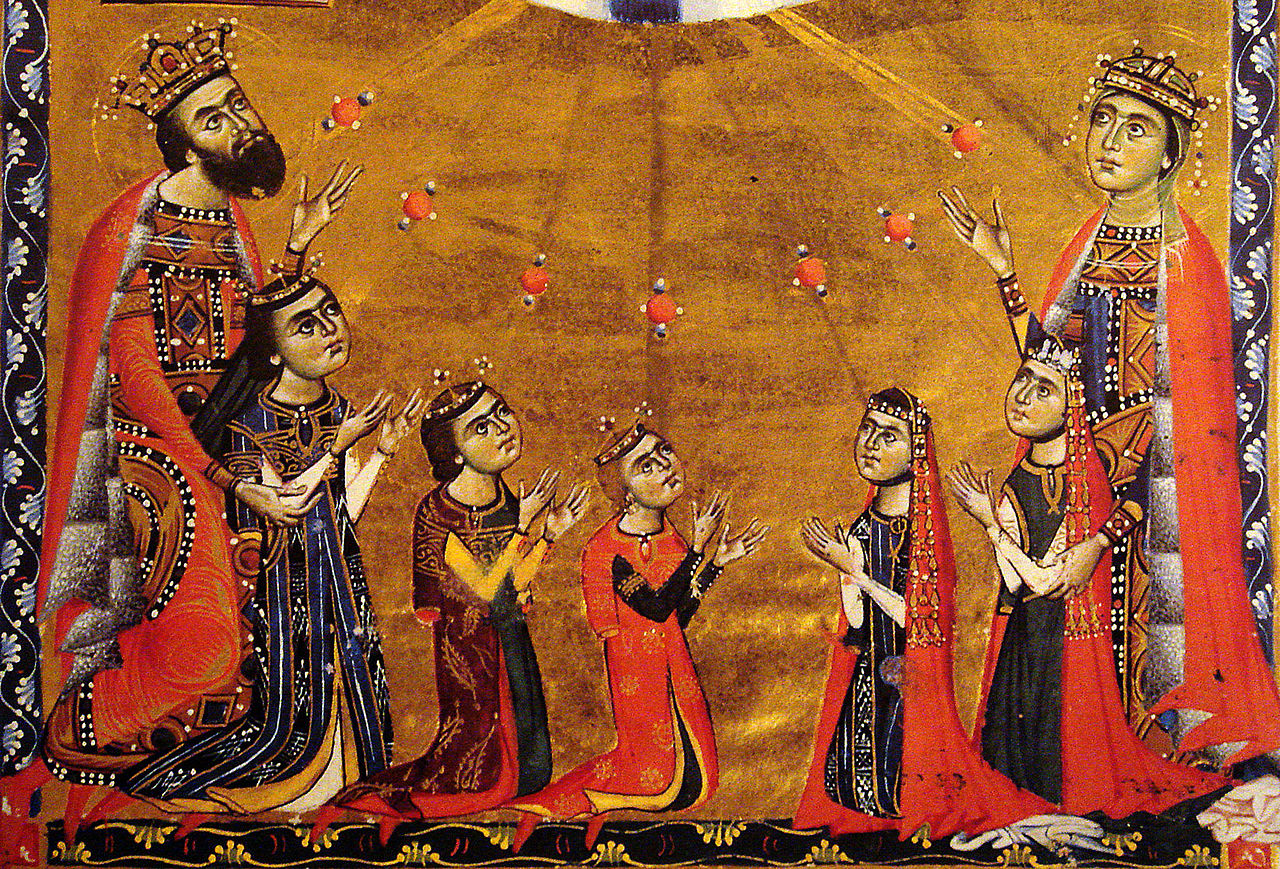
6 Images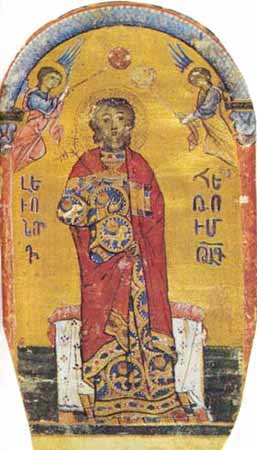



Background and accession
Leo's formative years fell during a generation in which Cilicia navigated pressure from Mamluk Egypt and changing dynamics created by the Mongol advance in the Middle East. In 1266 Leo was taken prisoner in the fighting with invading forces; the capture and subsequent ransom arrangements led to his father's decision to step back from government and their family to transfer royal authority. Contemporary sources emphasize a fairly orderly succession, though the kingdom faced constant external threats.
Rule, religion and policy
Leo III is commonly described as a devout Christian king and a steady administrator. Medieval chronicles and later historians note his piety and his efforts to preserve the Christian character of the realm; he is often associated with the kingdom's Latin and Armenian ecclesiastical ties and with diplomatic outreach to neighboring Christian states. In foreign affairs he continued the pro‑Mongol orientation that became a central plank of his father's diplomacy while resisting the expansion of the Mamluk sultanates.
Conflict and diplomacy
During Leo's lifetime Cilicia faced repeated military pressure. He was personally involved in campaigns and was once captured — an episode recorded for the year 1266 — and later restored to freedom. The kingdom maintained contacts with Western Crusader states and the Byzantine world; one of Leo's daughters became linked by marriage to the Byzantine imperial house, a reflection of Cilicia's bridging role between East and West.
Family and succession
Leo married Keran (also known as Kir Anna) in 1262. Their marriage produced a remarkably large royal household: fifteen children over two decades. Several of their sons later held the crown in rapid succession, contributing to a period of dynastic rivalry. Notable children include:
- Hethum II — who succeeded Leo and ruled in several non‑consecutive periods.
- Thoros III — later king for a brief interval.
- Sempad (Sembat) and Constantine III — both of whom also took the throne in the years that followed.
- Oshin — who became king in the early fourteenth century.
- Rita — who married into the Byzantine imperial family, becoming consort to Michael IX Palaeologus and thereby linking Cilicia with Byzantium (Byzantine connection).
Legacy and significance
Leo III's reign is remembered for steady stewardship during a dangerous era, for sustaining alliances and for producing heirs whose internal rivalry shaped the kingdom's final decades. His piety and diplomatic instincts helped preserve Cilicia's Christian institutions (religious life) and its role as a crossroads between Western and Eastern polities. Modern studies treat Leo's period as part of the larger story of medieval Armenian resilience amid Mongol, Mamluk and Crusader pressures; for introductions to the kingdom and its rulers see general reference works on Cilician Armenia (Armenian Kingdom of Cilicia) and on thirteenth‑century Near Eastern politics.
For concise chronologies and genealogical details consult specialized entries and databases that compile reign dates and familial ties (see entries for birth, accession 1270, capture 1266, marriage 1262, and death 1289).
Further reading may explore Leo III's relations with neighboring states, the succession disputes among his sons, and the social and ecclesiastical life of Cilician Armenia in the later thirteenth century (Mamluk encounters, Christian institutions, Byzantine alliances).
Questions and answers
Q: Who was Leo III of Armenia?
A: Leo III of Armenia (c.1236-1289) was king of the Armenian Kingdom of Cilicia, ruling from 1270 to 1289. He was the son of Hethum I of Armenia and Queen Isabella of Armenia.
Q: Who did Leo marry?
A: In 1262 Leo married Keran (Kir Anna), the daughter of Prince Hethum of Lampron.
Q: How many children did he have with his wife?
A: In 21 years of marriage Leo had 15 children by his wife Keran, eight sons and seven daughters.
Q: What happened to two sons and two daughters at an early age?
A: Two sons and two daughters died at an early age - Hethum II, Princess Fimi, Princesse Sybil, and Thoros III.
Q: How many children became kings after him?
A: Five out his fifteen children - Hethum II, Thoros III, Sempad, Constantine III, and Oshin - later became kings who often fought each other for the throne.
Q: Who succeeded him as king? A: He was succeeded by his son Hethum II.
Author
AlegsaOnline.com Leo III of Armenia (c. 1236–1289) Leandro Alegsa
URL: https://en.alegsaonline.com/art/141397