
Landscape architecture: design of outdoor spaces, ecology, and urban places
Landscape architecture is the professional practice of designing parks, gardens, streetscapes and open spaces, combining planning, ecology, engineering and aesthetics to shape outdoor environments.
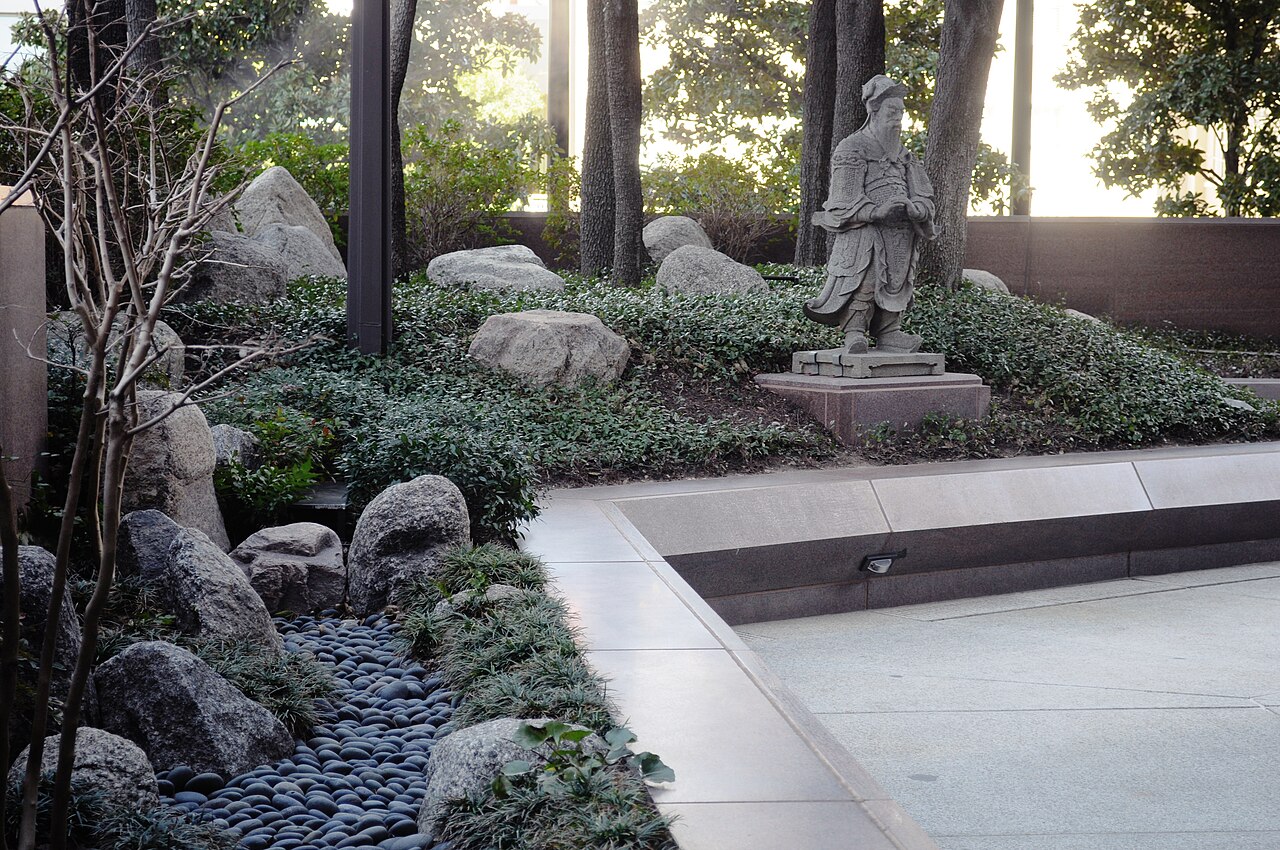
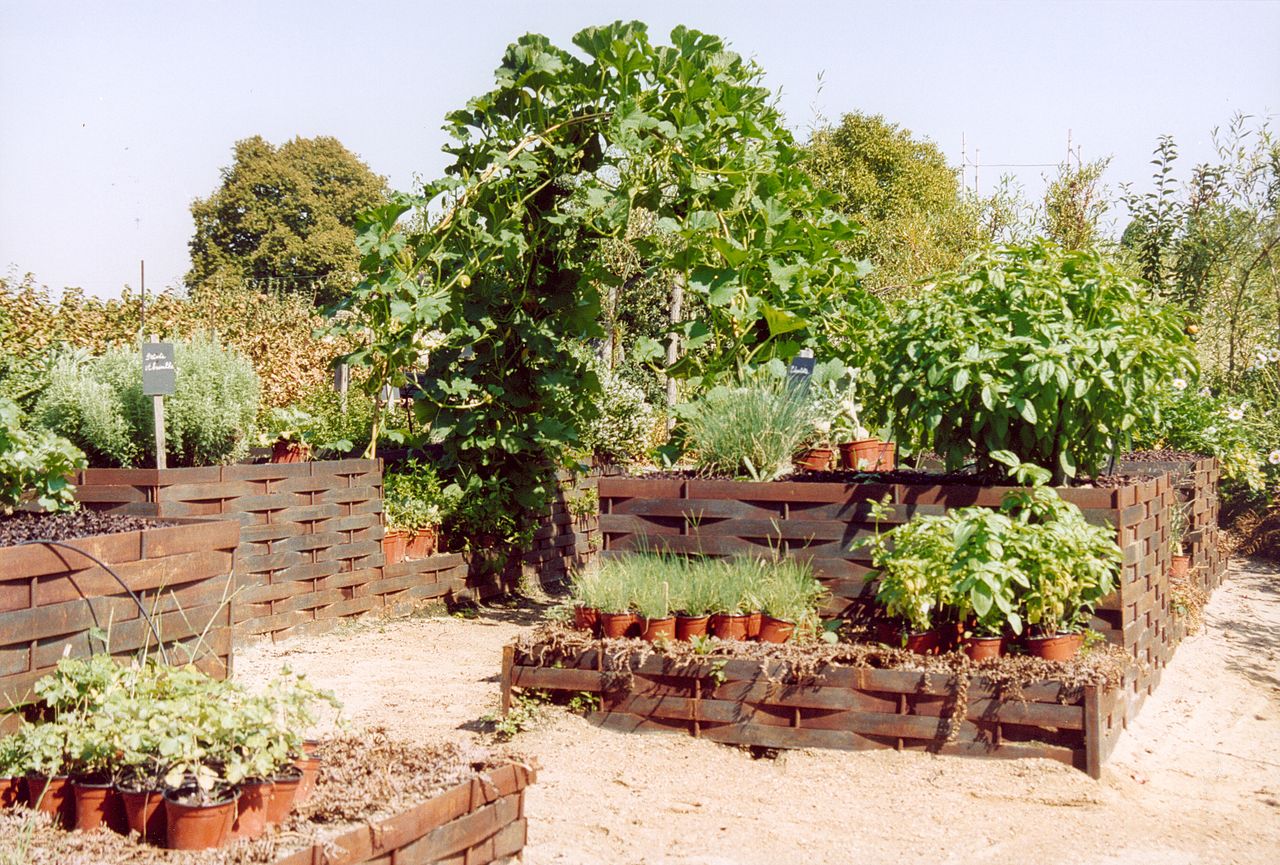
Landscape architecture is the discipline that plans, designs, and stewards outdoor public and private spaces. It spans small gardens to large parks, waterfronts, plazas, campuses and green corridors. Practitioners balance aesthetics, social use and ecological function to create places that are safe, accessible and resilient. The work of a landscape architect often bridges building design, civil engineering and urban planning, translating site conditions and human needs into spatial arrangements, material choices and planting schemes.
Image gallery
10 Images




Core components and techniques
Projects typically combine hard and soft elements and require attention to multiple technical layers. Common components include:
- Site analysis: understanding topography, soils, hydrology, microclimate and existing vegetation.
- Spatial organization: pathways, plazas, sightlines and relationships between open space and buildings.
- Hardscape design: walls, paving, seating, lighting and drainage structures.
- Softscape and planting design: selection of trees, shrubs and groundcover for aesthetics, biodiversity and seasonal interest.
- Grading and stormwater management: shaping landform, retention basins, bioswales and permeable surfaces for sustainable water control.
- Construction documentation: drawings, specifications and coordination with engineers and contractors.
History and development
The practice draws on a long tradition of garden and landscape making found in many cultures, from formal geometric gardens to informal pastoral designs. In Europe, movements such as the English landscape garden influenced large-scale parkmaking, while in North America figures like Frederick Law Olmsted helped define the modern profession by integrating public health, recreation and urbanity into park systems. Over the 20th and 21st centuries the field professionalized, adopting technical skills in site engineering, ecology and urban design while responding to social and environmental challenges.
Uses, benefits and examples
Landscape architecture shapes everyday places and strategic infrastructure. Examples of application include:
- Public parks and urban plazas that provide recreation and cultural gathering spaces.
- Streetscapes and transit-oriented developments that prioritize pedestrian movement and safety.
- Green infrastructure—such as rain gardens, constructed wetlands and tree canopies—that reduces flooding and urban heat.
- Restoration projects that recover habitat, improve biodiversity and reconnect urban areas to nature.
- Campus and corporate landscapes that organize circulation, identity and sustainable site performance.
Distinctions and professional context
Landscape architecture differs from related practices in scale and focus. Compared with landscape gardening, it often involves larger, multidisciplinary projects, technical documentation and regulatory approvals. Compared with building architecture, it emphasizes open space, ecological processes and movement across a site; compared with urban planning, it operates more intensively at the scale of parcels, streets and park systems. Many practitioners work with architects and planners—see architecture and urban planning—to integrate buildings, infrastructure and landscapes into coherent places.
Contemporary landscape architects increasingly prioritize climate adaptation, equitable access to green space and resilient ecosystems, blending design craft with ecological science and social awareness to shape healthier, more livable environments.
Questions and answers
Q: What is landscape architecture?
A: Landscape architecture is a design field that focuses on designing open public or private spaces, such as gardens, parks, squares, promenades, and more.
Q: Who is a landscape architect?
A: A landscape architect is a professional who specializes in designing garden buildings and open spaces.
Q: What areas are landscape architects associated with?
A: Landscape architects are associated with architecture of buildings, planning, and urban design.
Q: What does landscape architecture deal with?
A: Landscape architecture deals with various forms of open spaces and different ways of planning relationships between buildings, land, landscape, and people.
Q: What is the main focus of landscape architecture?
A: The main focus of landscape architecture is the design of open spaces to create a harmonious relationship between man and his urban environment.
Q: Can landscape architects design public spaces as well as private ones?
A: Yes, landscape architects can design both public and private spaces such as gardens, parks, squares, promenades, and more.
Q: What is the role of landscape architecture in the urban environment?
A: The role of landscape architecture in the urban environment is to create an aesthetically pleasing and functional landscape that improves the quality of life for people and enhances their interaction with nature.
Author
AlegsaOnline.com Landscape architecture: design of outdoor spaces, ecology, and urban places Leandro Alegsa
URL: https://en.alegsaonline.com/art/141183