
Brig (two-masted square‑rigged sailing vessel)
A brig is a two‑masted, square‑rigged sailing ship once common in the 18th and early 19th centuries, used for naval, merchant, privateer, and training roles before steam power rendered it largely obsolete.
Overview
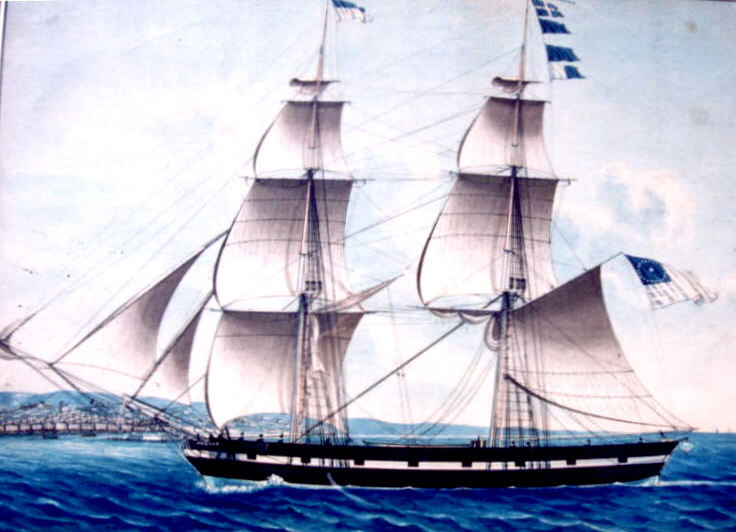
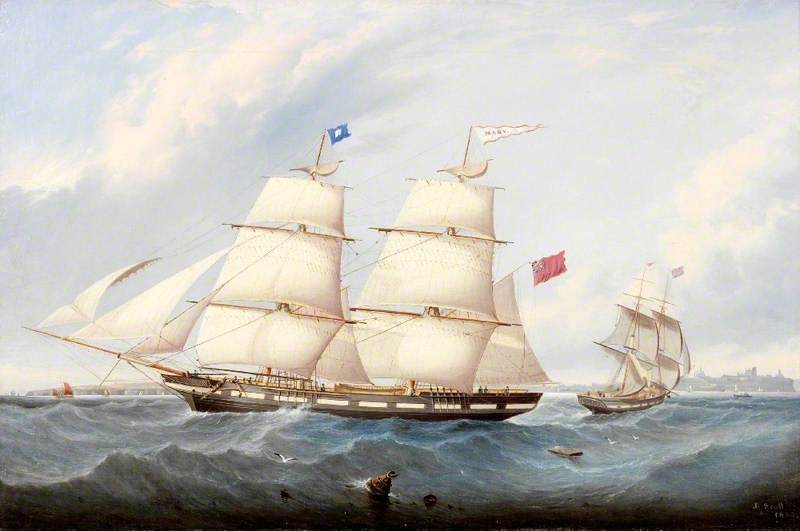
A brig is a sailing vessel defined by having two principal masts, both principally square‑rigged. This arrangement gives a brig a distinctive silhouette: a foremast and a mainmast fitted with yards and square sails that allow good running and reaching performance. Historically the brig combined speed, cargo capacity and relatively compact size, making it a popular choice for many maritime tasks.
Image gallery
10 Images



Characteristics and rigging
Brigs carry courses, topsails and topgallants on each mast, and often have additional staysails between the masts. Many brigs also set a gaff‑rigged fore‑and‑aft sail (a spanker) behind the mainmast for balance and improved handling on certain points of sail. The square rig gives a brig power on downwind and beam reaches but makes windward work more demanding than fore‑and‑aft rigged vessels.
- Masts: two — fore and main (masts).
- Sails: predominantly square on both masts (square rig), often with a gaff spanker.
- Handling: relatively fast and maneuverable under sail but more labor‑intensive to operate than some other small craft.
History and development
Brigs became especially widespread during the 18th century and the early decades of the 19th century, when sail was the dominant means of seagoing propulsion. Their combination of speed and cargo space made them useful for coastal trade, packet services, and as privateers. Navies also employed brigs for escort, patrol, courier and training duties because they could carry guns yet were smaller and cheaper than larger frigates or ships of the line.
As steam propulsion and iron‑hulled construction matured, the practical advantages of brigs diminished. Steamers offered more reliable schedules and required smaller crews for a given cargo capacity, while steam and later motor ships could more readily sail to windward without the complex handling square sails demand.
Uses, examples and legacy
During their heyday brigs served in many roles: merchants used them on regional and transoceanic routes, private interests converted some into privateers or blockade runners, and naval services kept brigs as dispatch vessels and training platforms. Even after regular commercial use declined, some brigs remained in service as sail training ships well into the late 19th and early 20th centuries.
Because of their elegant lines and manageable size, brigs are a familiar subject in maritime art and literature, and several preserved or replica brigs exist today for education and sail training.
Distinctions and notable facts
It is important not to confuse a brig with similar types:
- A brigantine differs in that it typically has a gaff‑rigged mainsail with square sails only on the foremast; terminology varied by region and era.
- A full‑rigged ship carries three or more square‑rigged masts and is therefore larger and differently handled than a brig.
- Brigs were widely used as naval vessels and could be armed as a warship for patrol and convoy duties.
In maritime classification a brig sits among the smaller, highly versatile square‑rigged types — larger than a brigantine in some configurations but smaller and simpler than frigates or ships of the line. Their prominence in the 18th century and the early 19th century marked them as a defining form of the Age of Sail, used by both commercial operators (merchant vessels) and navies alike.
For more on rig types and historical examples see related resources on rigging and ship types (two‑masted square‑rigged ship).
Questions and answers
Q: What is a brig?
A: A brig is a sailing ship with two square-rigged masts.
Q: What were brigs used for during the Age of Sail?
A: Brigs were used as both naval warships and merchant vessels.
Q: Why were brigs popular in the 18th and early 19th centuries?
A: Brigs were seen as fast and maneuverable, and one of the smaller two-masted sailing ships.
Q: Why did brigs fall out of use?
A: Brigs fell out of use with the arrival of the steam ship because they required a relatively large crew for their small size and were also difficult to sail into the wind.
Q: What's the difference between a brig and a brigantine?
A: A brig has a square mainsail with an additional gaff-rigged spanker behind the mainsail, while a brigantine has a gaff-rigged mainsail.
Q: How many masts does a brig have?
A: A brig has two masts.
Q: Were brigs ever used as training ships?
A: Yes, after the sailing age ended, brigs were used as training ships.
Related articles
Author
AlegsaOnline.com Brig (two-masted square‑rigged sailing vessel) Leandro Alegsa
URL: https://en.alegsaonline.com/art/14114
Sources
- michigan.gov : "Schooner In The Sand"
- njscuba.net : "Sailing ships"
- athelstane.co.uk : "Man on the Ocean"
- texasnavy.com : "The Texas Navies"
- abc.se : "The "Stockholm Brig" Tre Kronor"
- sailing-ships.oktett.net : "Brig"