
Karl Goldmark (1830–1915)
Hungarian-born composer active in Vienna, best known for the opera Die Königin von Saba, the Rustic Wedding Symphony and a Violin Concerto; late-Romantic, lyrical orchestral style with renewed modern interest.
Karl Goldmark was a Hungarian-born composer and influential figure in late-Romantic Central European music. Born in Keszthely in 1830 and dying in Vienna in 1915, he spent most of his career in the Viennese musical world and produced operas, orchestral works, concertos and chamber pieces.
Image gallery
2 Images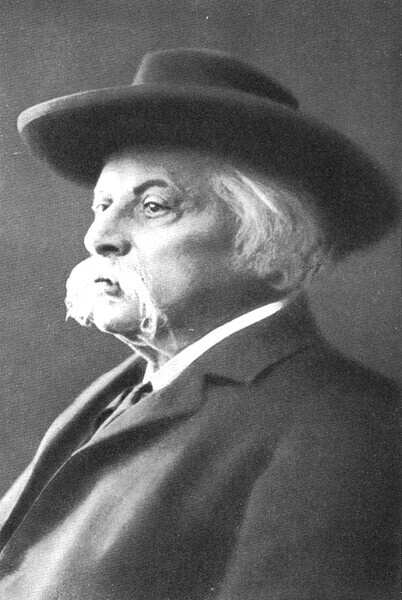

Life and career
Goldmark moved to Vienna as a young man and established himself as a professional composer and teacher. He became known for large-scale stage works and for richly scored orchestral music that found favor with 19th-century audiences. His career peaked in the 1870s and 1880s when several of his works were widely performed across Europe.
Musical style and major works
Goldmark's music is typically described as late-Romantic: warm, melodic, and colorful in orchestration. He blended lyrical themes with vivid orchestral color and occasional folk-inspired touches. His best-known pieces include the opera Die Königin von Saba (The Queen of Sheba), an expansive, dramatic score from the mid-1870s; the Rustic Wedding Symphony, a programmatic symphony celebrated for its charm and festive textures; and a Violin Concerto in A minor that enjoyed popularity among virtuosi.
Reception and legacy
During his lifetime Goldmark enjoyed significant success, but his music fell into relative neglect in the 20th century as tastes and programming priorities changed. In recent decades there has been a steady revival: recordings, concert revivals and renewed critical interest have brought several of his works back into the repertoire, especially the opera overtures, the Rustic Wedding Symphony and the violin concerto.
Representative works
- Die Königin von Saba (The Queen of Sheba) — opera (1870s)
- Rustic Wedding Symphony — orchestral
- Violin Concerto in A minor
- Chamber music and piano pieces
Goldmark is often noted for the direct appeal of his melodic writing and his mastery of orchestral color. While not as frequently programmed as some contemporaries, his music provides a distinct, lyrical perspective on the Romantic era and continues to attract performers and listeners seeking richly expressive repertoire.
Questions and answers
Q: Who is Karl Goldmark?
A: Karl Goldmark was a Hungarian composer born in Keszthely on May 18, 1830.
Q: When did he die?
A: He died on January 2, 1915, in Vienna.
Q: Was his music always popular?
A: No, his music was largely forgotten for a long time after his death.
Q: Is his music being played more often now?
A: Yes, his music is now starting to be played much more.
Q: What kind of music did he compose?
A: As a composer, he created different kinds of music in different genres.
Q: What is Karl Goldmark known for?
A: Karl Goldmark is mostly known for being a Hungarian composer.
Q: Where was Karl Goldmark born?
A: Karl Goldmark was born in Keszthely, Hungary.
Author
AlegsaOnline.com Karl Goldmark (1830–1915) Leandro Alegsa
URL: https://en.alegsaonline.com/art/140720