
Justin II — Byzantine emperor (reigned 565–578)
Byzantine emperor (r. 565–578), nephew and successor of Justinian I. His reign involved fiscal retrenchment, renewed war with the Sassanids, the Lombard invasion of Italy, frontier pressure, and late incapacity.
Justin II (born c. 520; died 4 October 578) was Byzantine emperor from 565 to 578. A nephew and successor of Emperor Justinian I, Justin inherited an empire that had been expanded and heavily committed by decades of warfare and reconstruction. His reign marks a shift in policy and fortunes: facing depleted finances, rising external pressures and court factionalism, Justin made choices that altered diplomatic arrangements and provoked new conflicts.
Image gallery
5 Images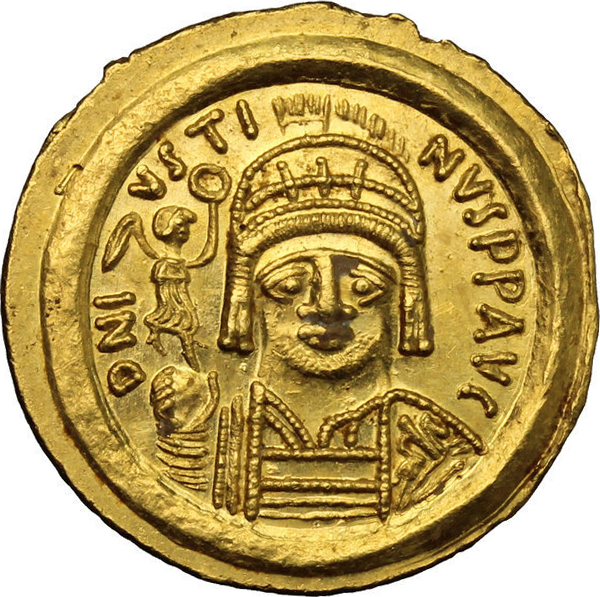

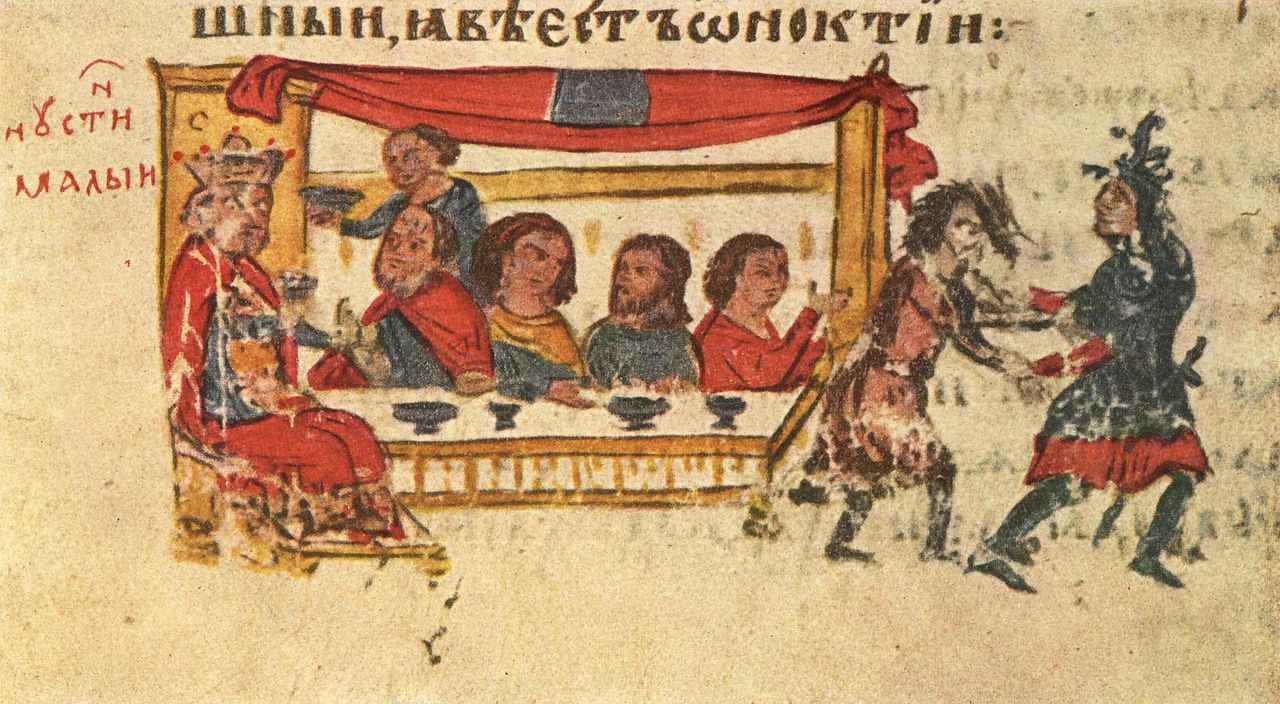


Background and accession
Justin came from a provincial military and administrative background that had risen to prominence under his relatives. On Justinian’s death in 565 he was acclaimed as emperor. Early on he retained many of the existing institutions of government but soon confronted the practical limits of imperial resources and the need to respond to threats on several frontiers.
Policies and administration
Confronted by a strained treasury, Justin II adopted a policy of fiscal retrenchment. He is best known for refusing to continue certain annual payments and subsidies that had been used by his predecessor to secure peace with neighbouring powers. Domestically he relied on established bureaucratic machinery, on senior court figures and on his wife, Empress Sophia, who played an active political role. His choices reflected the tension between preserving imperial dignity and coping with inadequate revenues.
Wars and frontier challenges
Several military and diplomatic reverses occurred under Justin’s rule. Most notable were:
- Renewed hostilities with the Sassanid Persian Empire after the collapse of earlier agreements, producing a costly and protracted eastern struggle.
- The arrival of the Lombards in Italy (568), which led to the loss of large areas of the Italian peninsula and reduced imperial control in the west.
- Intensified pressure in the Balkans from Avars and Slavic groups, causing raids, settlements and population movements that weakened frontier stability.
Illness, regency and succession
During the later years of his reign Justin suffered a serious decline in capacity. Contemporary sources record episodes of erratic behaviour and incapacity; modern historians treat descriptions of his condition cautiously but accept that he became unable to conduct government effectively. In 574 he elevated his trusted general Tiberius (later known as Tiberius II Constantine) to the rank of Caesar and transferred much practical authority to him. Tiberius governed as deputy during Justin’s remaining years and succeeded as sole emperor on Justin’s death on 4 October 578.
Legacy
Justin II’s reign is often seen as a turning point that exposed the limits of imperial power in the mid-6th century. His end to certain subsidies helped to restore short-term dignity and save funds but also led to renewed warfare that the empire could scarcely afford. The Lombard settlement of Italy and the continued eastern conflict underlined the strategic difficulties facing Byzantium. The handling of his incapacity—through the elevation of a deputy—illustrates how the imperial system adapted to preserve continuity despite personal and political crisis.
Notable facts:
- He was the immediate successor of Justinian I and part of the same extended ruling circle.
- Empress Sophia was a prominent figure at court and in managing affairs during his illness.
- His decisions contributed to renewed Roman–Persian conflict and to the loss of much of Italy to Lombard settlement.
Questions and answers
Q: Who was Justin II?
A: Justin II was a Byzantine emperor and the nephew of Justinian I.
Q: What were some of Justin II's unusual behaviors?
A: Justin II was known for his crazy behavior, which included barking and meowing like an animal, and tossing things out of windows.
Q: Who was appointed as successor to Justin's son Just?
A: Justin appointed Tiberius as successor to his son Just.
Q: When did Justin II pass away?
A: Justin II passed away on October 4, 578 year.
Q: Who became the new basileus after Justin's death?
A: Tiberius Constantine became the new basileus after Justin's death.
Q: What was Justin II's full name?
A: Justin II's full name was Flavius Iustinus.
Q: Who was Justin II's uncle?
A: Justin II's uncle was Justinian I.
Author
AlegsaOnline.com Justin II — Byzantine emperor (reigned 565–578) Leandro Alegsa
URL: https://en.alegsaonline.com/art/140666