
John F. Kennedy Center for the Performing Arts
A national performing arts center and living memorial in Washington, D.C., presenting theatre, dance, music and education since 1971 with multiple venues, public programs and a public–private funding model.
Overview
The John F. Kennedy Center for the Performing Arts, commonly called the Kennedy Center, is the United States' national center for performance and a living memorial to President John F. Kennedy. Located in Washington, D.C., the complex opened in 1971 and presents a broad range of artistic disciplines including dance, ballet, orchestral and chamber music, jazz, popular and folk music, and theater. It is often cited as the busiest performing arts center in the United States, staging roughly two thousand performances each year and welcoming nearly two million attendees.
Image gallery
10 Images



Facilities and programming
The Kennedy Center houses several major performance spaces designed to serve different artistic needs. Principal venues include the Concert Hall and Opera House, the Eisenhower Theater, the Family Theater and smaller studio theaters. The campus also supports a public stage and community-oriented events that are free or low-cost. In addition to presented seasons of touring and resident companies, the institution commissions new works, produces original performances and runs educational programs for young people and adults.
- Large-scale venues for symphonic and operatic presentations
- Mid-size theaters for drama, dance and contemporary work
- Smaller studios and rehearsal spaces for experimental and developmental projects
- Daily public performances and outreach initiatives
Funding and governance
Congress authorized a national cultural center in 1958 and designated its operation as a public memorial to President Kennedy. Federal law directs that programming support come principally from private sources, creating a public–private partnership model. The Kennedy Center relies heavily on ticket revenue, individual donations, corporate sponsorships and private foundations such as private foundations and gifts from corporations. Annual federal appropriations are provided to cover building maintenance and operations, while artistic activity is funded through philanthropy and earned income.
History and architecture
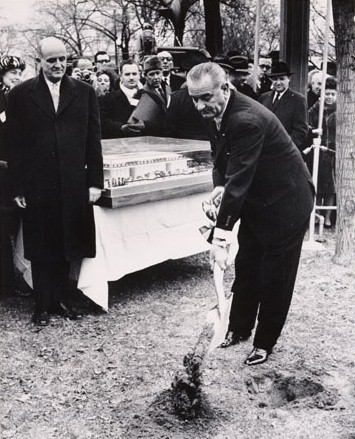
Conceived during the late 1950s and dedicated as the nation’s performing arts center in the 1960s, the main building opened on September 8, 1971. The facility was designed by architect Edward Durell Stone and constructed by contractor John McShain. The center has been associated with federal cultural stewardship; administrative relationships have included oversight links to cultural agencies such as the Smithsonian Institution in various forms throughout its development.
Public engagement and legacy
Beyond presenting professional seasons, the Kennedy Center emphasizes education, artist development and public access. Programs include residencies, youth outreach, workshops and the Millennium Stage daily performance series. As both a national memorial (memorial) and an active arts organization, the center serves as a focal point for cultural diplomacy, civic celebration and the commissioning of new American works. Its name and mission remain tied to JFK's aspiration that the arts be an essential part of national life.
For more information on schedules, venues and education offerings, consult the center's official guides and public materials, or contact institutional resources through their published channels (performing arts center information pages).
Questions and answers
Q: What is the John F. Kennedy Center for the Performing Arts?
A: The John F. Kennedy Center for the Performing Arts (commonly called the Kennedy Center) is a performing arts center in Washington, D.C. that hosts theater, dance, ballet, orchestral, chamber, jazz, popular and folk music performances.
Q: When did it open?
A: The Center opened on September 8th 1971.
Q: How many people visit each year?
A: Each year, almost two million people watch one of its performances.
Q: What activities does it present to the public?
A: The Center presents music, dance and theater to the public; helps artists make new works and does arts education.
Q: How is it funded?
A: It is mostly funded through ticket sales and gifts from individuals, corporations and private foundations as well as federal funding each year to pay for maintenance and operation of the building.
Q: What other purpose does it serve besides hosting performances?
A: It serves as both a nation's public memorial to President John F. Kennedy and "national center for the performing arts."
Q: Who designed the building?
A: The building was designed by architect Edward Durell Stone and built by Philadelphia contractor John McShain
Author
AlegsaOnline.com John F. Kennedy Center for the Performing Arts Leandro Alegsa
URL: https://en.alegsaonline.com/art/140518