
John C. Mather — Nobel-winning astrophysicist and leader in precision cosmology
John C. Mather (b. 1946) is an American astrophysicist and cosmologist who shared the 2006 Nobel Prize for measurements of the cosmic microwave background and led major NASA science projects.
Overview
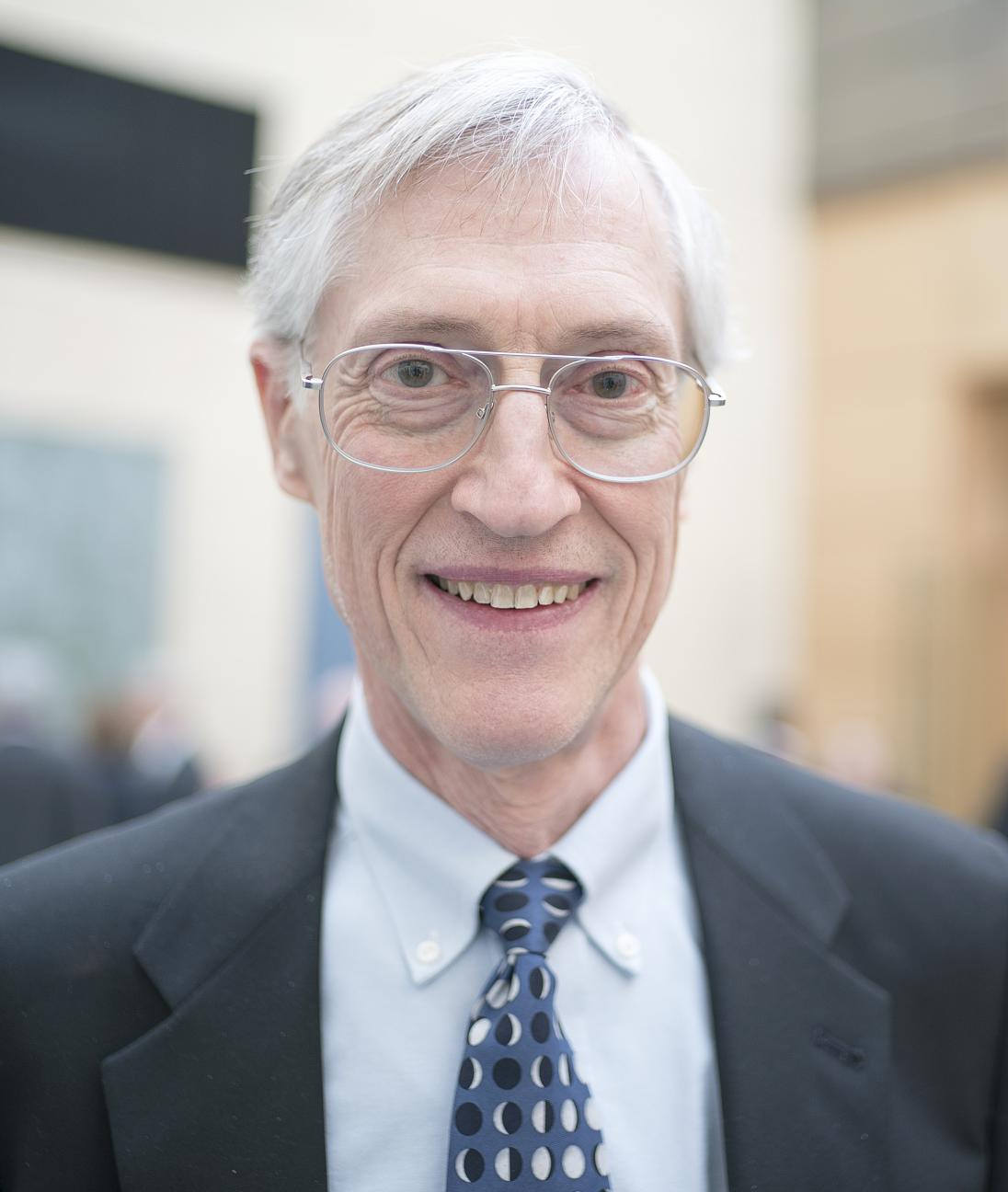
John Cromwell Mather was born on 7 August 1946 in Roanoke, Virginia. He is an American scientist known as an astrophysicist and cosmologist. Mather became widely known for his leadership of experiments that measured the cosmic microwave background (CMB), the relic radiation from the early universe. For this work he shared the 2006 Nobel Prize in Physics with George Smoot.
Image gallery
7 Images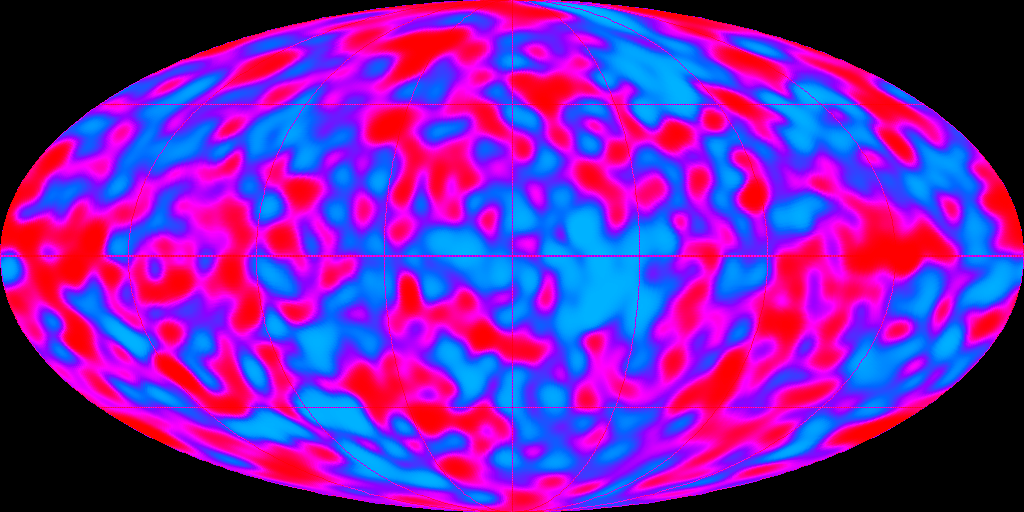





COBE, the Nobel Prize, and scientific impact
Mather was the senior project scientist for the COBE satellite, a space mission that produced two decisive results: the CMB follows a nearly perfect blackbody spectrum, and it exhibits tiny temperature variations across the sky. These findings strongly supported the big-bang theory and established observational foundations for modern cosmology. The precision of COBE’s measurements helped turn cosmology into a data-driven discipline capable of testing detailed models of the universe’s origin and evolution.
Career and roles
Mather has spent much of his career at NASA, serving as a Senior Astrophysicist at the Goddard Space Flight Center in Maryland. He has also held an academic appointment at the University of Maryland, College Park. Beyond COBE, he played a leading role in planning and advocating for subsequent space observatories and was a longtime scientific leader on the James Webb Space Telescope effort, helping to shape instruments and scientific goals.
Contributions, methods, and significance
Mather’s work combined precise instrument design, careful calibration, and rigorous data analysis. The determination that the CMB spectrum is an almost exact thermal (blackbody) curve narrowed the range of viable cosmological models. The small anisotropies mapped by COBE provided the seeds for later measurements that trace how tiny early irregularities grew into galaxies and clusters. These results also motivated and informed follow-up missions and surveys aimed at mapping the CMB with higher angular resolution and sensitivity.
Selected honors and public recognition
- Co-recipient of the 2006 Nobel Prize in Physics for work on the CMB (shared with George Smoot).
- Senior scientist and mission scientist roles at major NASA projects based in Maryland.
- Faculty affiliation with the University of Maryland, College Park.
- Named among Time magazine's 100 Most Influential People in 2007 for his contributions to science and space exploration.
Legacy and broader context
Mather’s achievements helped set the stage for a generation of observational cosmology, influencing missions such as WMAP and Planck and guiding expectations for what precision measurements can reveal about the universe’s composition, age, and development. His career illustrates how careful experimental design and international collaboration transform speculative ideas about the cosmos into quantitative science. Today his work remains a standard reference point in discussions of the early universe and the technologies used to study it.
Further reading
For accessible overviews of the cosmic microwave background, the COBE mission, and Mather's role in contemporary space projects, see introductory resources and mission pages linked by institutional archives and science museums. Primary technical papers and Nobel materials provide the detailed measurements and analyses that underpin the summary above.
Questions and answers
Q: Who is John Cromwell Mather?
A: John Cromwell Mather is an American astrophysicist and cosmologist who was born in Roanoke, Virginia.
Q: What did Mather receive the Nobel Prize in Physics for?
A: Mather received the Nobel Prize in Physics in 2006 for his work on cosmic microwave background radiation and COBE satellite with George Smoot.
Q: What did the COBE satellite measure?
A: The COBE satellite measures black holes and cosmic radiation.
Q: What was the significance of Mather's work on cosmic microwave background radiation and the COBE satellite?
A: Mather's work on cosmic microwave background radiation and the COBE satellite supported the big-bang theory of the universe beginning and made cosmology much more accurate.
Q: What did the Nobel Prize committee say about the COBE-project?
A: The Nobel Prize committee said that "the COBE-project can also be regarded as the starting point for cosmology as a precision science."
Q: Where does Mather work?
A: Mather is a Senior Astrophysicist at the NASA Goddard Space Flight Center in Maryland, and a professor of physics at the University of Maryland, College Park.
Q: What recognition did Mather receive from Time magazine?
A: In 2007, Mather was listed in Time magazine's 100 Most Influential People in The World.
Author
AlegsaOnline.com John C. Mather — Nobel-winning astrophysicist and leader in precision cosmology Leandro Alegsa
URL: https://en.alegsaonline.com/art/140499