
Jim B. Tucker: Researcher of Children's Reports of Past Lives
Child psychiatrist and researcher who leads reincarnation and prenatal memory studies at the University of Virginia's Division of Perceptual Studies.
Jim B. Tucker is a child psychiatrist and investigator known for his work on children's reports suggestive of past-life memories. He is medical director of the Child and Family Psychiatric Clinic and an associate professor in the Division of Perceptual Studies at the University of Virginia. Tucker continued and expanded a long-term research program begun by Ian Stevenson, taking over the research group after Stevenson's retirement in 2002.
Image gallery
2 Images
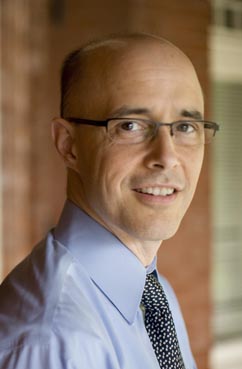
Research focus and methods
Tucker's primary interests include cases in which young children describe memories that they—or their families—interpret as recollections of a previous life, together with investigations of prenatal and birth memories. His research emphasizes careful case documentation, interviews with the child and relevant family members, verification of any factual details that the child provides about an alleged previous personality, and consideration of ordinary explanations such as fraud, cryptomnesia, or suggestive questioning.
Publications and public outreach
He authored the book Life Before Life: A Scientific Investigation of Children’s Memories of Previous Lives, which summarizes his findings and the methodology used in this line of work. Tucker has written scholarly articles, book chapters, and popular accounts aimed at both professional audiences and the general public. He has discussed his research in interviews and broadcasts in the United States, United Kingdom, and Canada and in other forums interested in anomalous experiences and consciousness studies. See interviews and profiles for more context: media interviews.
Context and significance
Work on children's past-life reports occupies an interdisciplinary area spanning psychiatry, developmental psychology, cultural anthropology, and parapsychology. Tucker frames his work as descriptive and cautious: documenting unusual cases, assessing alternative explanations, and exploring how such reports fit within broader questions about memory, identity, and development. The research has stimulated debate about what constitutes adequate evidence for claims that memories might persist independently of the known mechanisms of brain-based memory.
Criticism and scientific reception
The field is controversial. Critics point to methodological challenges, cultural expectations that may shape reports, difficulties in verifying details, and the possibility of inadvertent suggestion during interviews. Supporters argue that carefully documented cases with verifiable details merit attention and further study. Tucker acknowledges limitations and stresses replication, rigorous documentation, and transparent reporting of uncertain or negative findings. For historical background on the project's origins, see work by his predecessor, Ian Stevenson, and institutional information at the Division of Perceptual Studies site.
Notable features and distinctions
- Tucker specializes in clinical interviewing of young children and follow-up verification of factual claims.
- He places emphasis on ruling out ordinary explanations while remaining open to anomalous interpretations.
- His work is often cited in discussions about memory, identity development, and reports of anomalous experiences; summaries and resources are available through academic and public outlets (see his book and other overviews).
Tucker's work illustrates how a controversial topic can be approached with systematic methods while acknowledging the limits of current evidence. For introductory resources and institutional descriptions, readers can consult pages linked from the Division of Perceptual Studies and general summaries of reincarnation research: reincarnation research overview and additional materials at the Division's pages. For a representative entry point to his public presentations and interviews, see media coverage.
Questions and answers
Q: What is Jim B. Tucker's profession?
A: Jim B. Tucker is a child psychiatrist and is the medical director of the Child and Family Psychiatric Clinic.
Q: Where does Jim B. Tucker work?
A: Jim B. Tucker works at the University of Virginia as an associate professor at the Division of Perceptual Studies.
Q: What are Jim B. Tucker's main research interests?
A: Jim B. Tucker's main research interests include reincarnation research, and prenatal and birth memories.
Q: Who did Jim B. Tucker work with on his research?
A: Jim B. Tucker worked with Ian Stevenson on his research for several years before taking over upon Stevenson's retirement in 2002.
Q: What is "Life Before Life" and who wrote it?
A: "Life Before Life" is a book that investigates children's memories of previous lives and Jim B. Tucker is the author.
Q: Has Jim B. Tucker been interviewed about reincarnation in different countries?
A: Yes, Jim B. Tucker has been interviewed about reincarnation in print and broadcast media in the United States, United Kingdom, and Canada.
Q: What is the Division of Perceptual Studies?
A: The Division of Perceptual Studies is a unit of the University of Virginia School of Medicine that studies phenomena that challenge physicalist explanations of the mind.
Author
AlegsaOnline.com Jim B. Tucker: Researcher of Children's Reports of Past Lives Leandro Alegsa
URL: https://en.alegsaonline.com/art/140419