
Briard (Berger de Brie) — French long-coated herding dog
The Briard, or Berger de Brie, is a French long-coated herding and working dog noted for its loyalty, intelligence, distinctive coat and long history as a shepherd and guardian.
The Briard, often called Berger de Brie, is a traditional French herding breed that combines working ability with a distinctive long, wavy coat. Bred for centuries in the Brie region east of Paris, the Briard has been valued as a versatile farm dog: guiding and guarding flocks, protecting property and serving as a reliable companion. Its name, temperament and appearance have made it a recognizable member of French regional breeds and a breed of interest to working-dog enthusiasts worldwide. For background on regional origin and classification see regional summaries.
Image gallery
5 Images


Appearance and distinctive features
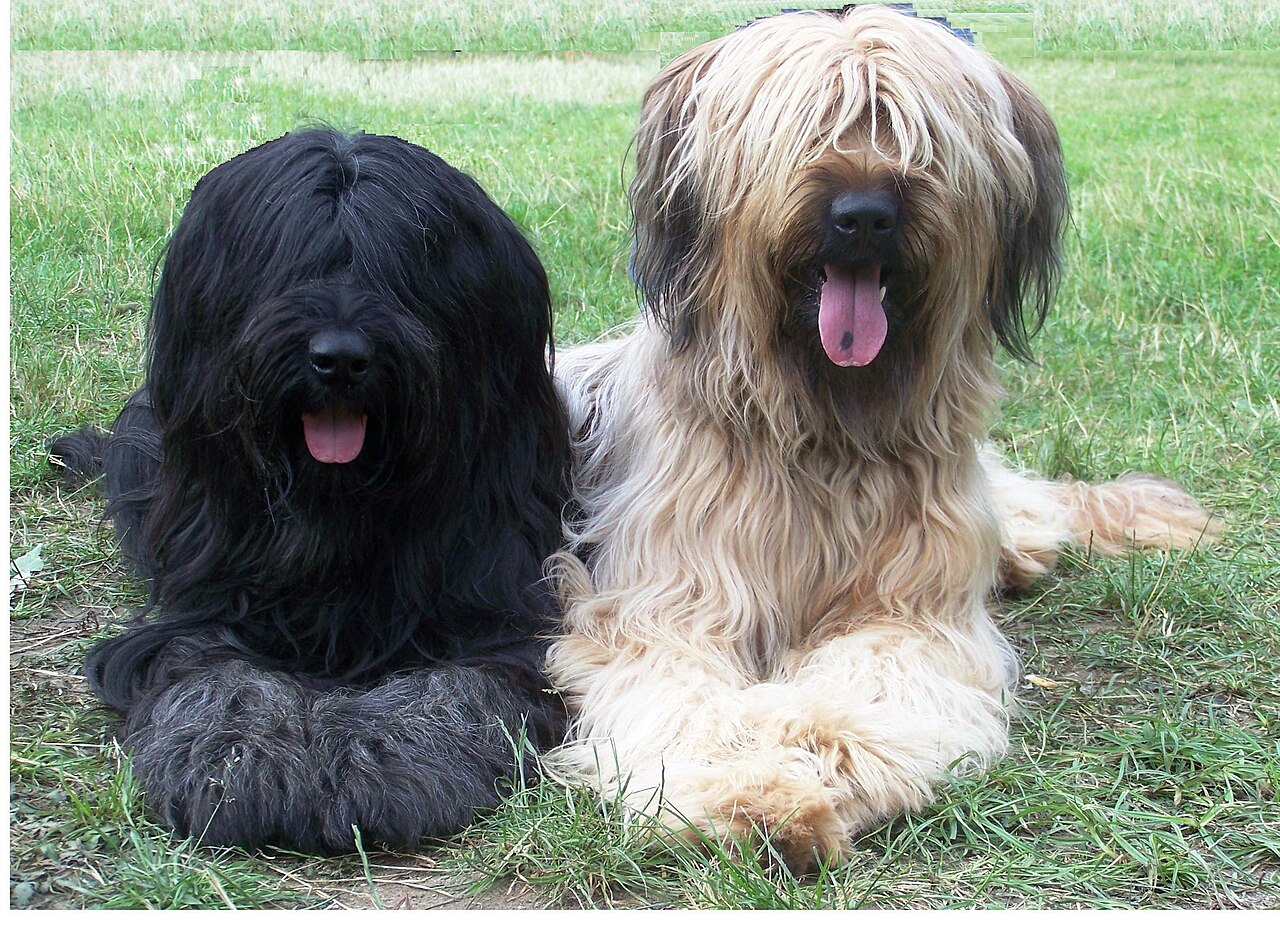
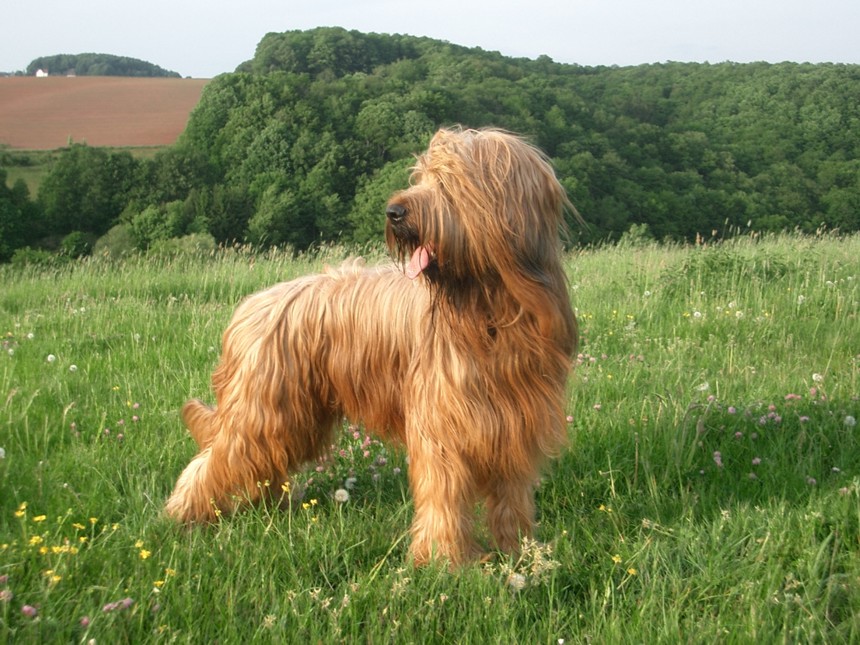
Briards are medium-to-large, muscular dogs with a long, slightly wavy outer coat that forms a natural curtain over the eyes and a profuse beard on the muzzle. Coat colors include various shades of fawn (pale brown), black and combinations that may appear gray or blue-tinged; pale brown and black are the most common. A notable physical trait in many Briards is the presence of double dewclaws on the hind legs, a characteristic historically linked to their working utility. Ears may be left natural (drooping) or cropped in regions where that practice persists; tails are typically long and carried low when relaxed.
Temperament and behavior
Briards are known for intelligence, strong loyalty to family or flock, and an alert, protective nature. As a shepherding breed they retain a pronounced herding instinct and can be independent thinkers; this makes them excellent working partners but also calls for consistent, confident training and early socialization. With proper guidance they are affectionate and devoted household companions, but they require regular physical and mental exercise to prevent boredom and related behavioral problems. For guidance on training and working temperament consult breed and training resources such as breed guides.
History and development
References to Briard-type dogs go back many centuries; some manuscripts and medieval sources mention long-coated shepherd dogs in northern France, including a 14th-century manuscript that links similar dogs to hunting and herding tasks. Over time the Briard developed as a practical farm dog in Brie and neighboring regions. In the 19th and early 20th centuries the breed was refined both for field work and for conformation showing. The short-haired Beauceron shares a historical environment with the Briard and is sometimes discussed as a related or parallel regional type rather than a wholly separate origin; see historical overviews at historical studies and archival references.
Working roles, uses and examples
- Traditional herding and flock protection on farms.
- Guarding property and acting as a livestock guardian in open country.
- Modern working roles such as search-and-rescue, tracking and assistance where their intelligence and strong scenting ability are useful; examples of such deployments are discussed in working-dog reports.
- Therapy and support roles: the Briard's steadiness and bond with handlers have made it suitable for certain therapeutic programs and emotional-support activities; see resources on therapy use at therapy roles and service contexts.
Care, health and notable considerations
Keeping a Briard requires attention to grooming, exercise and socialization. The long coat needs regular brushing to prevent tangles and to remove debris accrued during outdoor work. Physically active households or owners who can provide tasks, training and regular exercise are the best match for the breed. Like many large breeds, Briards may face a range of health considerations typical to working dogs; prospective owners should consult reputable breed clubs and veterinary sources for up-to-date health screening recommendations and care practices.
In summary, the Briard is a historically rooted French shepherd dog valued for versatility, intelligence and loyalty. Whether kept as a working farm dog, trained for specialist roles such as search-and-rescue, or raised as a devoted family companion, the Briard thrives when given a clear role, consistent training and regular activity.
Questions and answers
Q: What is a Briard?
A: A Briard is a French breed of dog that was initially used for herding livestock.
Q: How long has the Briard been around?
A: The Briard is an old dog breed that dates back to at least the 14th century.
Q: What are the most common colors of the Briard?
A: The most common colors of the Briard are pale brown and black, but they exist in different colors.
Q: How is the Briard's coat described?
A: The Briard has a long-haired coat.
Q: Is the Beauceron related to the Briard?
A: The short-haired Beauceron is probably related to the Briard as they are the same breed.
Q: What kind of dog breed is the Briard?
A: The Briard is a working dog breed.
Q: What roles has the Briard played beyond herding livestock?
A: The Briard has been used as a search-and-rescue dog and also as a therapy dog to assist people with certain conditions, such as Post-traumatic stress disorder.
Related articles
Author
AlegsaOnline.com Briard (Berger de Brie) — French long-coated herding dog Leandro Alegsa
URL: https://en.alegsaonline.com/art/14041