
Intercontinental Cup (football)
Annual match between European and South American club champions (1960–2004), commonly called the Intercontinental or Toyota Cup; precursor to the FIFA Club World Cup and later recognised by FIFA.
Overview
The Intercontinental Cup was an annual football contest that brought together the leading club from Europe and the leading club from South America. Organized jointly by UEFA and CONMEBOL, it matched the winners of European club competition — the European Cup, later the UEFA Champions League — and the South American Copa Libertadores. The tournament was commonly referred to as the Intercontinental Cup or, because of long-term sponsorship, the Toyota Cup.
Image gallery
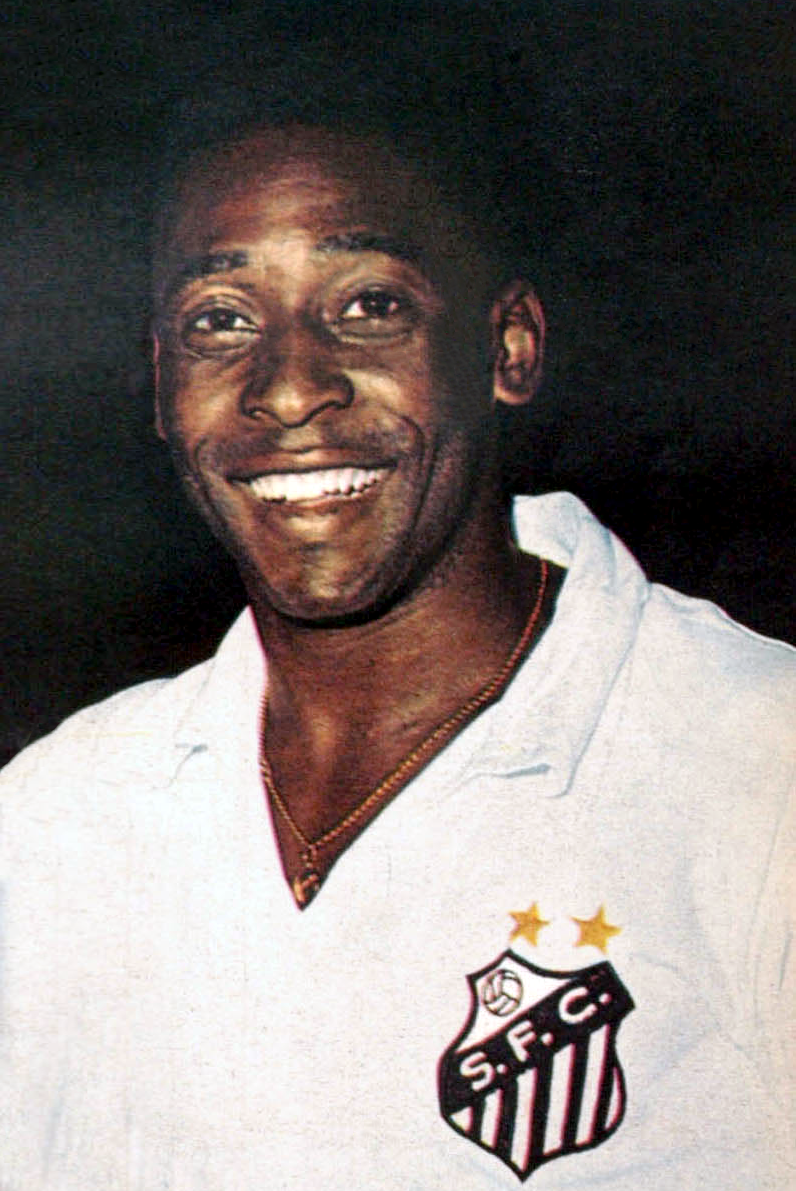
10 Images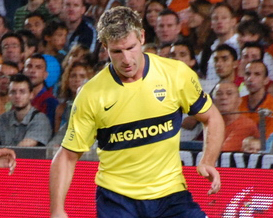





Format and characteristics
Across its history the competition adopted two main formats. In its early decades it was usually contested over two legs, with each team hosting one match. From 1980 onward the fixture was staged as a single neutral-venue match in Japan, with Toyota as the principal sponsor; this single-match arrangement increased global exposure and simplified logistics. The Intercontinental Cup was unique for presenting a direct Europe-versus-South America confrontation at club level, producing intense tactical battles and strong national interest from both continents.
History and development
First held in 1960, the Intercontinental Cup grew into the unofficial benchmark for the world’s leading club team at a time when organised global club tournaments were rare. The shift to a one-match final in Japan began in 1980 and lasted until the competition's final edition in 2004. In parallel, FIFA experimented with a broader tournament, staging the inaugural FIFA Club World Cup in 2000; from 2005 the Club World Cup became the annual global club competition that superseded the Intercontinental Cup by including champions from other confederations.
Notable participants and moments
The fixture regularly featured celebrated clubs from both continents, and produced many memorable matches and rivalries. European winners included historic sides that had proved themselves in the UEFA competitions, while South American entrants represented the strength of CONMEBOL football. The match-ups showcased contrasting styles — tactical organisation and financial strength from Europe against flair and intensity from South America — and became an important part of club folklore in many countries.
Legacy and official recognition
After 2004 the Intercontinental Cup was discontinued and replaced by the expanded FIFA Club World Cup, which incorporates champions from the Asian, African, North American, and Oceanian confederations as well as UEFA and CONMEBOL. In 2017 FIFA formally recognised the winners of the Intercontinental Cup as club world champions de jure, placing them on the same historical footing as winners of the Club World Cup. That recognition resolved a long-standing debate about the continuity of the ‘world champion’ title across the two competitions.
Importance and distinctions
- Sporting significance: For decades the event represented the most direct measurement of club supremacy between the two strongest footballing continents.
- Cultural impact: The Europe–South America rivalry produced passionate interest among fans and amplified club reputations globally.
- Evolution: Economic changes and the expansion of organised global competitions eventually made a broader multi-confederation Club World Cup the preferred format.
Although the Intercontinental Cup no longer exists as a stand-alone tournament, its matches and winners remain a major chapter in the history of international club football and continue to be cited when discussing the greatest clubs and classic intercontinental encounters in the sport.
Questions and answers
Q: What is the European/South American Cup commonly called?
A: The European/South American Cup is commonly called the Intercontinental Cup or Toyota Cup.
Q: When was the first FIFA Club World Cup held?
A: The first FIFA Club World Cup was held in 2000.
Q: What continents are represented in the FIFA Club World Cup?
A: The FIFA Club World Cup includes representatives from Europe, South America, North America, Asia, Africa and Oceania.
Q: How did the Intercontinental Cup change in 2005?
A: In 2005, the Intercontinental Cup was replaced by the FIFA Club World Cup.
Q: Does FIFA recognize both types of world champions as having equal status?
A: Yes, in 2017 FIFA officially recognized both types of world champions (de jure) with the same status to the FIFA Club World Cup winners or official world champions.
Q: Why is the intercontinental cup considered to be a fascinating football competition? A: The football experts agree that the intercontinental cup is considered to be a fascinating football competition thanks to its great balance on field given by lower economic gap of time and rules on foreign players which gradually favored European teams and weakened South American teams; also statistics confirm this.
Author
AlegsaOnline.com Intercontinental Cup (football) Leandro Alegsa
URL: https://en.alegsaonline.com/art/140051