
Horatio Alger
American 19th-century author best known for boys' rags-to-riches tales that shaped the idea of upward mobility in U.S. culture; noted for Ragged Dick and a large body of juvenile fiction.
Overview
Horatio Alger, Jr. was a prolific American writer of the 19th century whose name became synonymous with the rags-to-riches story. He produced numerous juvenile titles, short pieces for periodicals and occasional adult fiction during a long career in which a single plot pattern—an impoverished but virtuous boy who rises by industry and integrity—recurred with many variations. He also contributed work to magazines and periodicals throughout his career, including early magazine pieces and poems magazine contributions and later shorter fiction youth serials.
Image gallery
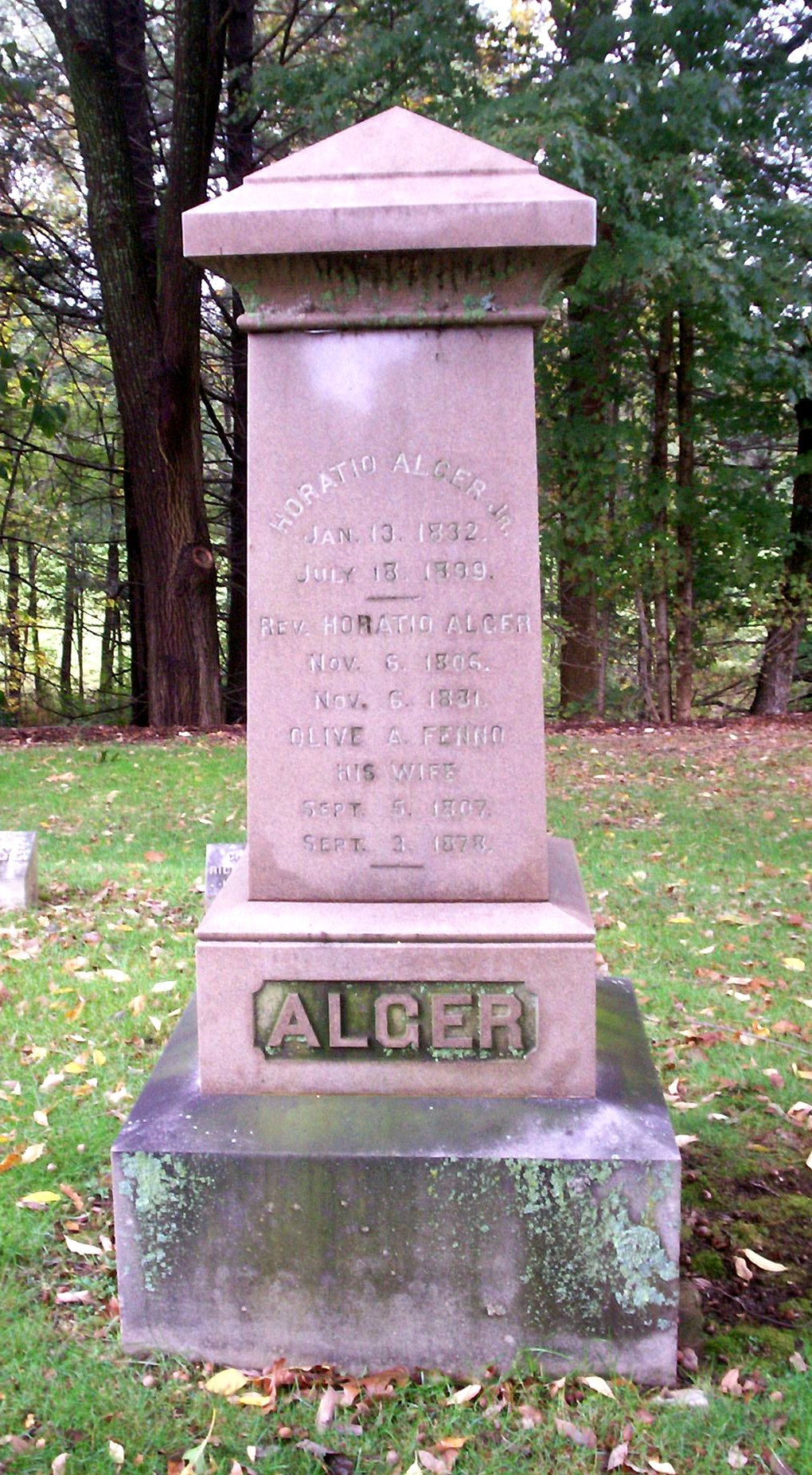
10 Images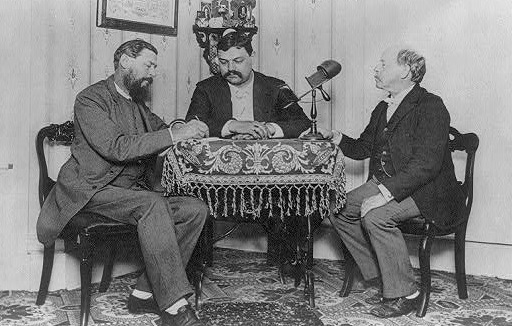




Life and career
Born in Massachusetts and educated at Harvard, Alger initially trained for the ministry. He served briefly as a Unitarian clergyman before leaving that profession under a cloud when members of his congregation raised concerns about his conduct; while he was not prosecuted, the controversy ended his formal clerical career Massachusetts origins Unitarian background early career change ministerial service congregational dispute allegations claims of improper conduct.
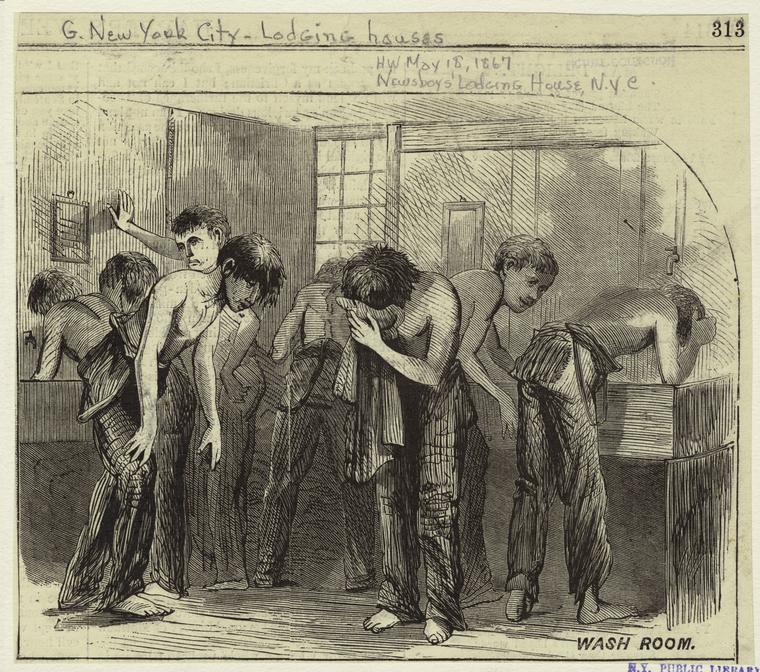
After leaving the church he moved to New York City and made a living as a professional writer, producing both short and long works for the expanding market for juvenile fiction. His breakthrough came in 1868 with Ragged Dick, a tale of a poor bootblack in New York who improves his circumstances through honesty, guidance from a benevolent patron, and a mixture of perseverance and good fortune New York professional writer Ragged Dick middle-class aspiration.
Themes and style
Alger's books typically follow a compact moral architecture: a sympathetic young protagonist, a sequence of hazards and moral tests, an upright helper or benefactor, and final advancement into security and respectability. Stock figures—snobbish peers, predatory adults such as the greedy lawyer, and kindly mentors—appear across titles, as do repeated episodes that emphasize thrift, honesty, and courage in the face of poverty stock characters. In the 1870s he experimented with western settings and adventure motifs to match readers' shifting tastes, producing a brief Pacific or western series that invoked cowboys and frontier themes western motifs.
Reception and legacy
Alger enjoyed great popularity among young readers of his own day and helped popularize a durable American ideal: that personal virtue and effort can lead to social mobility. Critics and librarians, however, sometimes viewed his work as formulaic and sentimental; late in the century, changing tastes and worries about sensational content prompted librarians to remove or decline to stock some titles. In the final decades of the 19th century these debates intensified as juvenile readers sought different kinds of excitement and publishers responded with bloodier or more sensational fare, which further complicated Alger's reputation later decades library reactions.
Selected works and notes
Alger's output included many short novels aimed at boys alongside a smaller number of works for adults; his juveniles were reprinted in cheap editions and reached wide audiences. Modern scholars study Alger for what his formula reveals about post‑Civil War American values and the limits of the so‑called Horatio Alger myth—the belief that individual effort alone explains social ascent. He died in 1899, leaving a legacy both of popular storytelling and of a cultural shorthand for upward mobility adult fiction.
- Ragged Dick (1868) — breakthrough juvenile novel, bootblack to respectable clerk.
- Series novels and sequels — repeated rags‑to‑respectability narratives and western titles.
- Short pieces — magazine and periodical contributions that supplemented his novels.
For readers interested in primary texts and contemporary assessments, many of Alger's titles remain available in reprints and scholarly editions that place his work in its historical context. Further reading can explore how his simple moral plots intersect with broader discussions about childhood, poverty, and the American Dream.
Questions and answers
Q: Who was Horatio Alger, Jr.?
A: Horatio Alger, Jr. was an American writer who wrote magazine stories and poems, a few novels for adults, and over 100 boys' books. He is most famous for his book Ragged Dick which tells the story of a poor shoe shine boy in New York City who rises to middle class comfort and security through hard work, honesty, and a little luck.
Q: Where was Alger born?
A: Alger was born in Massachusetts.
Q: What did he do before becoming a professional writer?
A: Before becoming a professional writer, Alger attended Harvard College and became a Unitarian minister. However, his career as clergyman ended when he was charged with child molestation (though criminal charges were not placed against him).
Q: What kind of books did boys want in the 1870s?
A: In the 1870s boys wanted cowboys, hunters, and Indians in their books.
Q: How did public librarians respond to the later books written by Alger?
A: Public librarians began throwing away Alger's later books because they contained violence, murder, or other sensational themes that they felt children should not be reading.
Q: What did Algeria do during his last years?
A: During his last years Algeria went to the theatre, visited old friends, kept in touch with the boys he had helped over the years and based new books on those of his past.
Q: When did Algeria die? A: Algeria died at his sister's home in South Natick Massachusetts in 1899.
Tags
Related articles
Author
AlegsaOnline.com Horatio Alger Leandro Alegsa
URL: https://en.alegsaonline.com/art/139841