
Holyhead (Caergybi) — Port town on Anglesey, Wales
Holyhead (Welsh: Caergybi) is the largest town on the Isle of Anglesey, Wales. It is a major maritime link to Ireland, a transport hub and a base for coastal recreation and heritage.
Overview
Holyhead, known in Welsh as Caergybi, is the largest town and community on the Isle of Anglesey in Wales. It sits on Holy Island off the northwest coast and has long been oriented toward the sea. The 2011 census recorded a population of 11,431, reflecting its role as both a working port and a local service centre.
Image gallery
10 Images





Origins and history
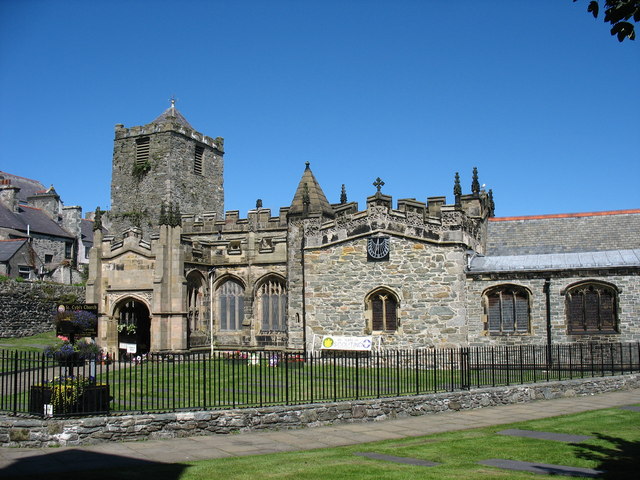
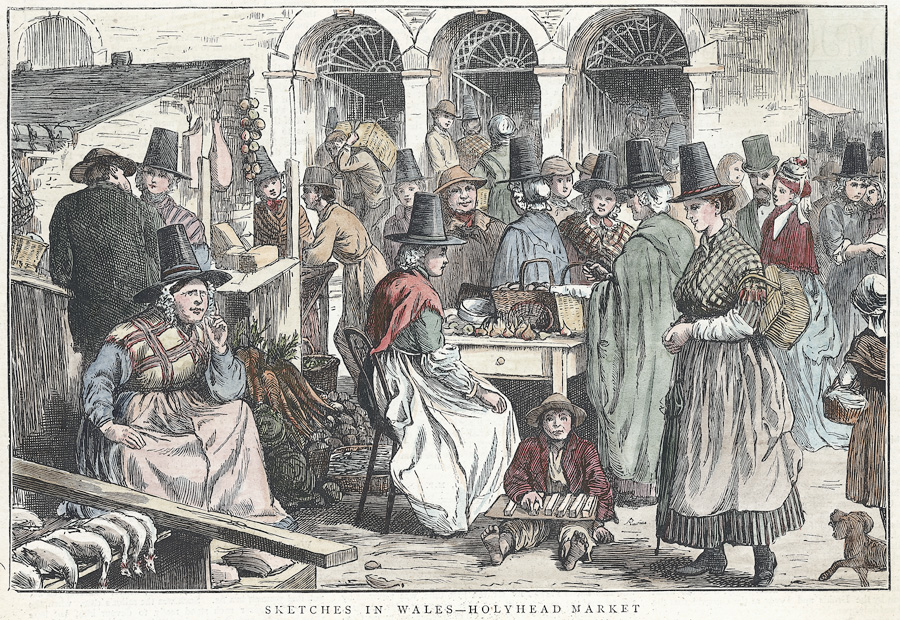
The town takes its Welsh name from a historic fort associated with Saint Cybi, an early Christian figure. Holyhead expanded substantially as maritime travel and trade developed; improvements to harbour facilities and the arrival of the railway in the 19th century strengthened its position as a cross-channel link. Maritime, military and industrial activities have shaped the town’s built and cultural landscape.
Economy and transport
Holyhead is principally known for its port, which provides regular ferry and freight connections to Ireland. The town is the western terminus of the North Wales transport corridor and is connected by road and rail to the rest of Wales and England, making it a key gateway for passengers and goods. For a time the local economy also included a large aluminium smelting plant on the outskirts of town; that facility closed in September 2009, altering the industrial profile of the area.
Attractions, landscape and recreation
Holyhead lies close to dramatic coastal scenery and offers access to outdoor recreation. The town provides starting and finishing points for the Anglesey Coastal Path, and nearby high ground such as Holyhead Mountain gives panoramic views and opportunities for birdwatching and walks. Local heritage attractions reflect the town's maritime past and its role as a port town for cross‑channel travel.
Notable facts and context
- Largest town on Anglesey and an administrative and transport focal point for the island.
- Longstanding ferry connections to Ireland make Holyhead a strategic maritime hub.
- The Welsh name highlights a historical link to Saint Cybi and an early fortification.
- Nearby coastal reserves and geological features contribute to local tourism and wildlife interest.
Together, Holyhead’s transport role, coastal setting and layered history give it an enduring importance in regional travel, commerce and cultural identity on Anglesey and in northwest Wales.
Questions and answers
Q: What is the name of the largest town and community on the Isle of Anglesey, Wales?
A: The largest town and community on the Isle of Anglesey, Wales is called Holyhead.
Q: How many residents were there in Holyhead according to the 2011 census?
A: According to the 2011 census, there were 11,431 residents in Holyhead.
Q: What does "Cybi's fort" mean in Welsh?
A: In Welsh, "Cybi's fort" means Holyhead.
Q: Was there an aluminium smelting industry in Holyhead?
A: Yes, there was a large aluminium smelting industry located on the outskirts of Holyhead that closed in September 2009.
Q: Is there a path around Anglesey that starts and finishes at Holyhead?
A: Yes, the Anglesey Coastal Path starts and finishes at Holyhead.
Author
AlegsaOnline.com Holyhead (Caergybi) — Port town on Anglesey, Wales Leandro Alegsa
URL: https://en.alegsaonline.com/art/139806