
Bretterspitze
Bretterspitze, a 2,608 m peak in Tyrol, Austria, is part of the Hornbach chain in the Allgäu Alps. Noted for its dolomite summit and exposed ridges, it is visited by experienced hikers and climbers.
Overview
The Bretterspitze is a mountain with a summit elevation of 2,608 metres located in Tyrol, in the Austrian Alps. It belongs to the Hornbach chain of the Allgäu Alps and is known for its steep, rocky ridges and panoramic views over nearby valleys. The peak sits within a landscape of high alpine terrain that attracts hikers, scramblers and mountaineers in the summer months.
Image gallery
3 Images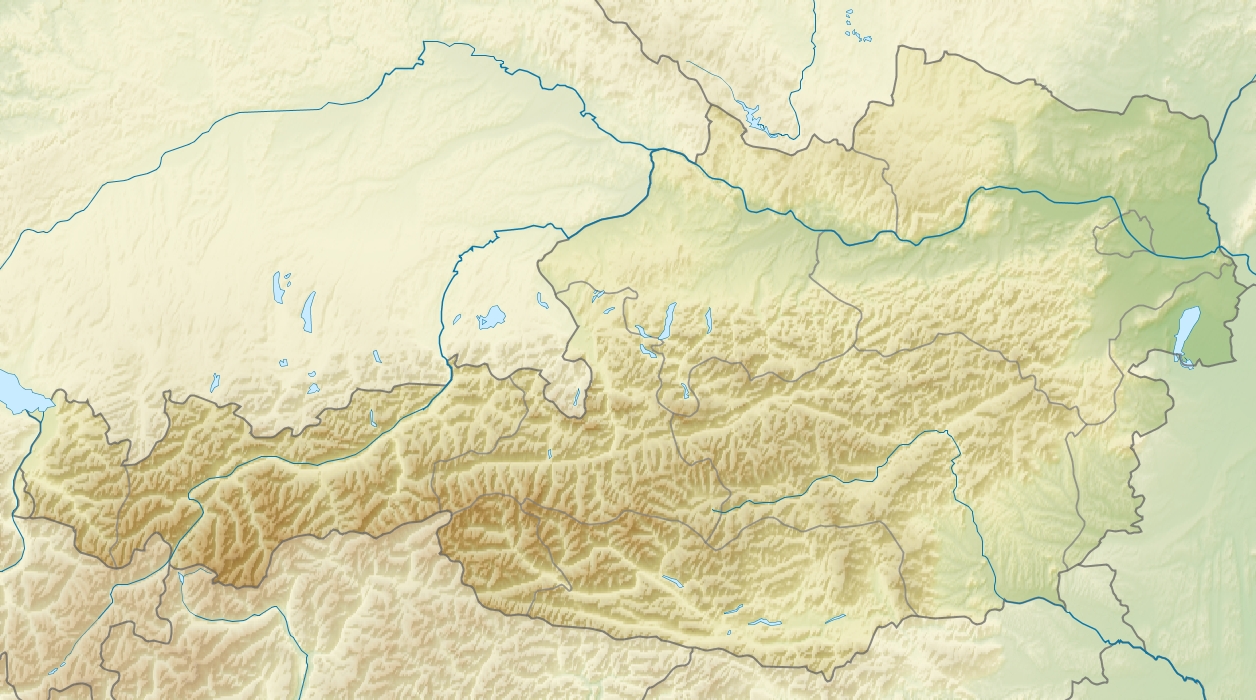


Location and neighbouring peaks
Geographically the Bretterspitze lies in Tyrol, Austria, and forms part of a compact ridge group in the Hornbach chain. Immediate neighbours include the Gliegerkarspitze to the west and the Urbeleskarspitze to the northeast. These adjacent peaks create a rugged skyline typical of the Allgäu Alps, with steep approaches and narrow connecting ridgelines.
Geology and summit character
The summit area of the Bretterspitze is composed principally of dolomite rock, which tends to form sharp crags, ledges and vertical faces. Dolomite contributes to the mountain’s blocky appearance and can produce loose sections underfoot, so care is required on exposed steps. The rock type also influences local soil chemistry and vegetation patterns on the lower slopes.
Ascent, routes and difficulty
Routes to the summit typically involve a combination of steep hiking, alpine trails and short sections of easy scrambling. Because of exposed stretches and irregular rock, ascents are generally recommended for experienced walkers who are comfortable on unmarked or poorly waymarked terrain. In winter and early spring the mountain is subject to snow and avalanche conditions like other summits in the Allgäu Alps.
Natural and recreational importance
While not among the highest alpine giants, the Bretterspitze contributes to the Hornbach chain’s reputation for compact, scenic mountain walking. It offers a quieter alternative to busier peaks and provides habitat for typical alpine flora and fauna. Climbers and ridge-walkers appreciate the views toward neighbouring summits such as the Urbeleskarspitze and the varied limestone and dolomite formations found throughout the range.
Practical notes and distinctions
- Elevation: 2,608 m (summit prominence and isolation vary by survey).
- Range: Part of the Allgäu Alps and the Hornbach chain.
- Rock type: Primarily dolomite, with associated steep faces.
- Access: Approaches begin in nearby valleys of Tyrol; conditions change seasonally.
For route descriptions, maps and seasonal advisories consult local alpine clubs and guidebooks or check regional resources before planning an ascent. Additional background on the Allgäu region and Hornbach chain can be found through regional mountain information and conservation sources. Bretterspitze remains a notable summit within its subrange for those seeking classic limestone-and-dolomite alpine terrain.
Questions and answers
Q: Where is the Bretterspitze located?
A: The Bretterspitze is located in Tyrol, Austria.
Q: What mountain range is the Bretterspitze a part of?
A: The Bretterspitze is part of the Hornbach chain in the Allgäu Alps.
Q: How high is the Bretterspitze?
A: The Bretterspitze is 2,608 metres (8,556 ft) high.
Q: What mountains are located next to the Bretterspitze?
A: Gliegerkarspitze is located to the west of the Bretterspitze, and Urbeleskarspitze is located to the northeast.
Q: What kind of rock is the summit of the Bretterspitze made of?
A: The summit of the Bretterspitze is made of dolomite.
Q: Is the Bretterspitze a popular destination for hikers?
A: It is not mentioned in the text whether or not the Bretterspitze is a popular destination for hikers.
Q: What kind of environment can be expected around the Bretterspitze?
A: The text does not provide information about what kind of environment can be expected around the Bretterspitze.
Related articles
Author
AlegsaOnline.com Bretterspitze Leandro Alegsa
URL: https://en.alegsaonline.com/art/13976