
H. H. Holmes (Herman Webster Mudgett) — 19th‑century American criminal
Herman Webster Mudgett, known as H. H. Holmes, was a late 19th‑century American con man and murderer whose crimes, trial and alleged 'Murder Castle' made him an early figure in the modern study of serial homicide.
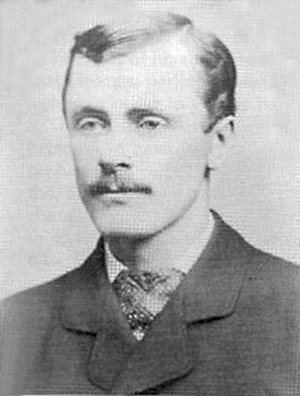
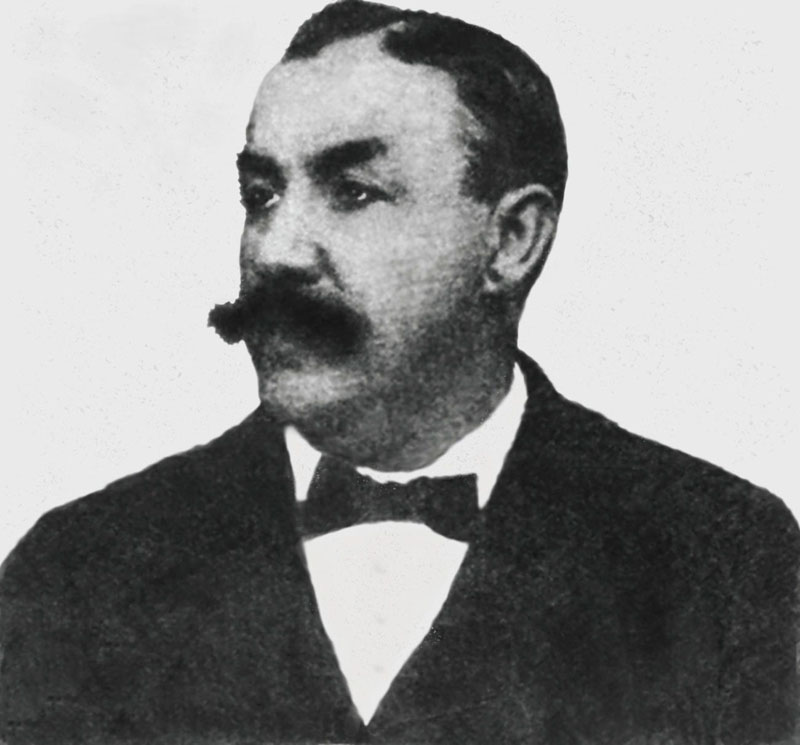
Herman Webster Mudgett (1861–1896), widely known by the alias H. H. Holmes, became notorious in the United States during the 1890s for a combination of fraud, deception and murder. Trained as a physician, he used aliases, forged documents and complex schemes to defraud insurers and acquaintances. Contemporary newspapers and later writers identified him as one of the first widely reported cases of a serial murderer in the modern era, although the exact scope and number of his victims remain contested.
Image gallery
10 Images




Early life and education
Mudgett was born in Gilmanton, New Hampshire, and later studied medicine, graduating from the University of Michigan Medical School in 1884. He moved frequently, establishing brief medical practices and using the credibility of his degree to gain trust and access to victims. Biographical accounts portray him as outwardly personable and industrious, traits he exploited to conceal criminal activities such as insurance fraud, check forgery and bigamy.
Criminal career and the "Murder Castle"
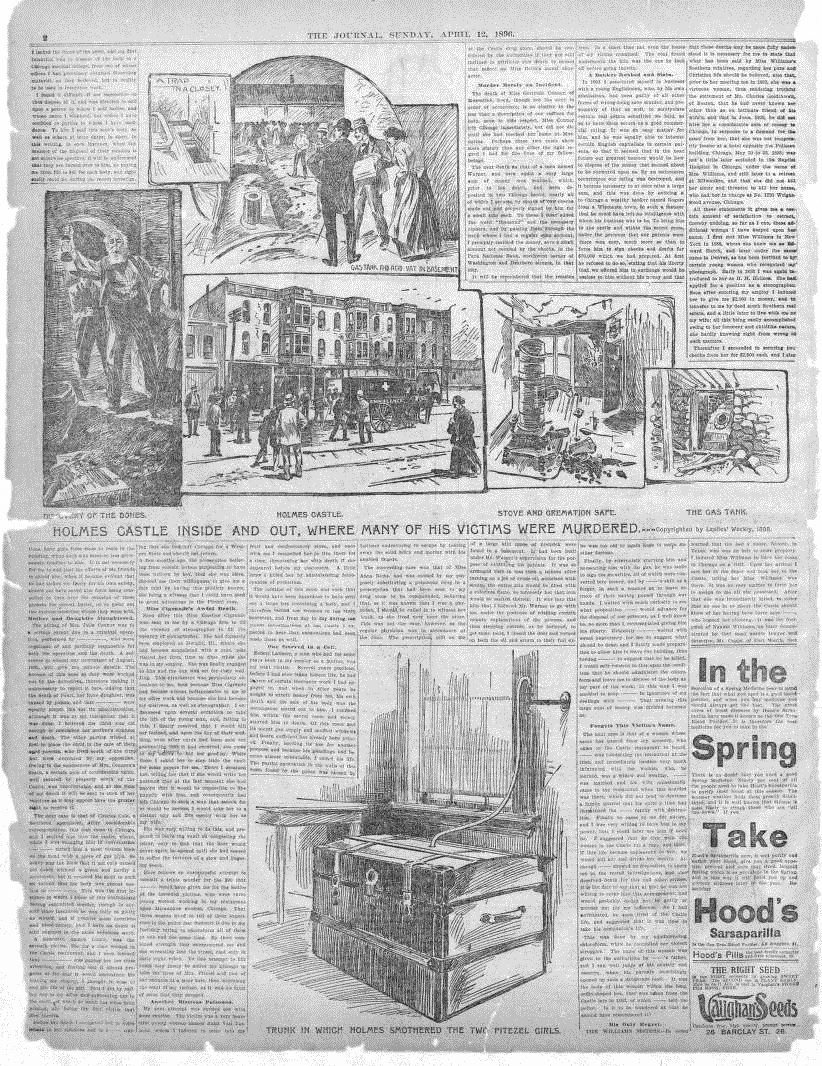
In Chicago, around the time of the 1893 World's Columbian Exposition, Mudgett purchased property and remodeled a multi‑story building that contemporaries and later writers described as having labyrinthine corridors, hidden rooms, soundproofed spaces and mechanical contrivances. Popularly dubbed the "Murder Castle," the structure is said to have contained secret passages, trapdoors and devices intended to confine or kill victims; many details became part of sensational press accounts. His criminal activities included elaborate insurance schemes, forging identities and, according to criminal investigations and his own statements, the killing of numerous people who came into his orbit.
Arrest, trial and disputed confessions
Arrested in the mid‑1890s, Mudgett stood trial for murder and related offenses. He was convicted and executed in 1896. During questioning he gave various confessions, at one point claiming dozens of victims; investigators and historians have treated those numbers with caution. Some murders were established by physical evidence and witness testimony, while other alleged killings remain unproven or are thought to have been exaggerated by sensational press coverage.
Legacy, research and cultural impact
H. H. Holmes has become a recurring subject in studies of crime history, forensic investigation and the cultural construction of serial killers. His case stimulated public interest in criminal profiling, investigative methods and the vulnerabilities exploited by con artists. Over time his story has been retold in books, documentaries and fictionalized accounts; modern researchers seek to separate verifiable facts from myth, using archival records, court documents and contemporary reporting to reassess what is certain and what grew out of sensationalism.
- Alias: Henry Howard Holmes among others.
- Training: Medical degree (University of Michigan, 1884).
- Crimes reported: Fraud, bigamy, arson, theft and multiple murders; confessed numbers are disputed.
- Notable site: Chicago building commonly called the "Murder Castle."
- Further reading: archival newspaper coverage and specialized studies of 19th‑century crime and sensational journalism.
For basic geographic context regarding his origins see Gilmanton, New Hampshire.
Questions and answers
Q: Who was H. H. Holmes?
A: H. H. Holmes was a serial killer who was born in Gilmanton, New Hampshire in 1861.
Q: What was Holmes' profession?
A: Holmes was a graduate of the University of Michigan medical School Class of 1884. However, he chose a career of crime including insurance fraud, swindling, check forging, bigamous illegal marriages, murder, and horse theft.
Q: Was Holmes the first documented serial killer?
A: Yes, Holmes was one of the first documented serial killers in the modern sense of the term.
Q: When was Holmes executed?
A: Holmes was executed in 1896.
Q: How many bigamous marriages did Holmes have?
A: Holmes had 3 to 4 bigamous illegal marriages.
Q: Did Holmes commit other crimes besides murder?
A: Yes, Holmes committed various other crimes such as insurance fraud, swindling, check forging, and horse theft.
Q: Where did Holmes attend medical school?
A: Holmes attended the University of Michigan medical School and graduated in 1884.
Author
AlegsaOnline.com H. H. Holmes (Herman Webster Mudgett) — 19th‑century American criminal Leandro Alegsa
URL: https://en.alegsaonline.com/art/139288